

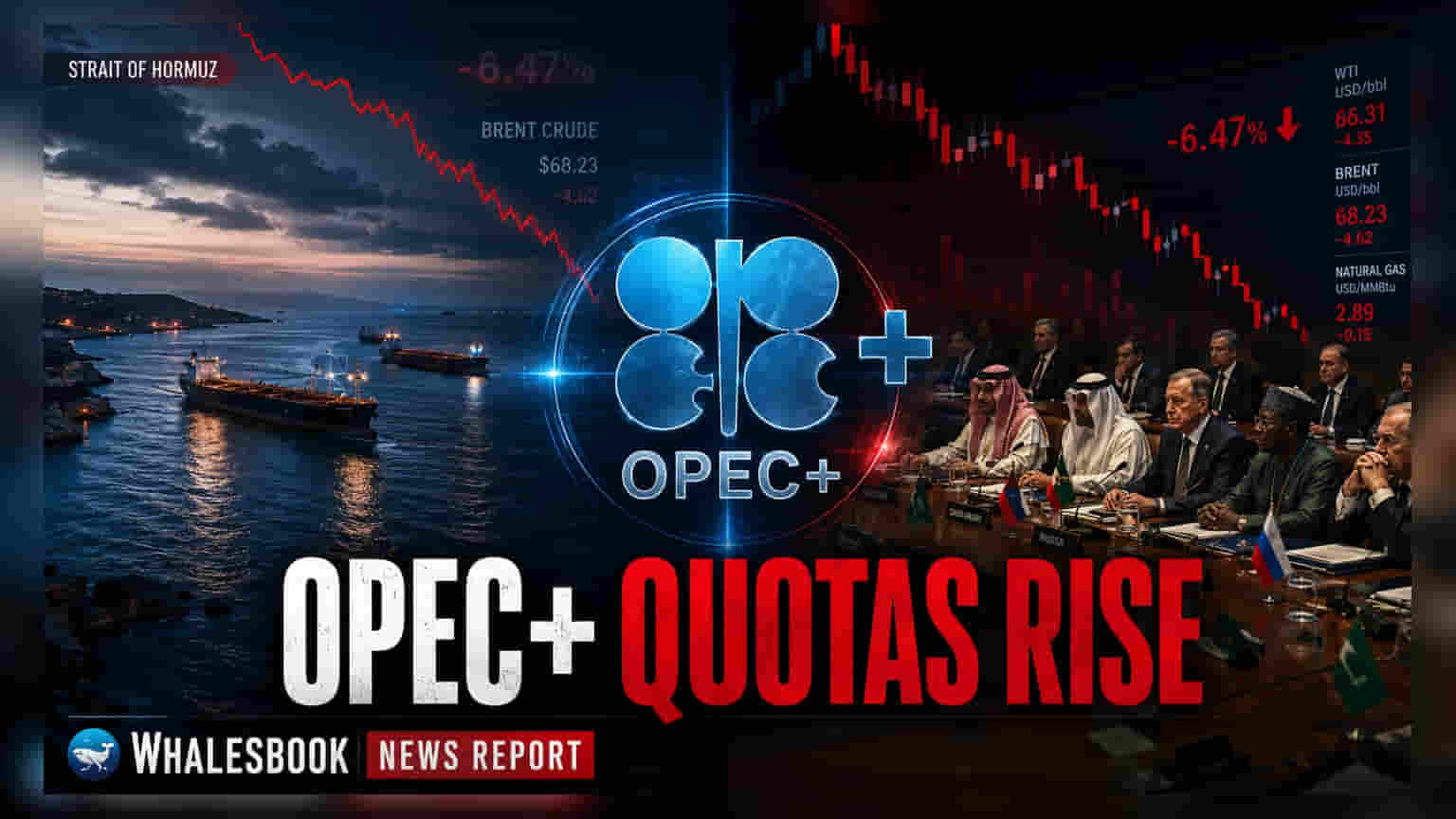
OPEC+ is expected to increase oil production quotas in August as Middle East shipping stabilizes. While this move aims to restore output, the potential for a global supply surplus next year could put pressure on oil prices, impacting energy-related stocks for Indian investors.
What Happened
OPEC+ members are set to meet online this Sunday to discuss an increase in oil production quotas. Market analysts, including those at UBS, expect the group to lift output by approximately 188,000 barrels per day. This decision comes as tensions in the Middle East subside, allowing for the normalization of maritime traffic through key transport routes like the Strait of Hormuz. Following a June 17 agreement between Tehran and Washington, shipping activity has improved, and oil supply through this vital corridor is reportedly exceeding ten million barrels daily.
The Impact on Oil Prices
The stabilization of shipping routes has already contributed to a decline in global crude oil prices, which are now approaching levels seen before the recent conflict-driven disruptions. During the peak of the tension earlier this year, production in major nations such as Saudi Arabia, Iraq, and Kuwait faced significant declines, with total output dropping by roughly six million barrels per day between the first quarter of 2026 and May. The planned increase in quotas reflects the group's intent to bring production back toward pre-conflict levels.
Challenges in Production Restoration
While the market expects an output hike, industry experts suggest that immediate results may not be visible. Analysts at Saxo Bank have pointed out that restarting infrastructure that was previously shut down is a time-consuming process. While a slight increase in production may begin in July, a more significant acceleration in supply is expected to materialize by August. For investors in energy-dependent companies, the speed at which this capacity returns will be a primary indicator of market supply levels.
Long-Term Surplus Concerns
Looking beyond the immediate term, there are growing concerns about a potential supply surplus heading into next year. While inventories that were depleted during the conflict period may absorb some of the initial increase in supply, the long-term trend could see downward pressure on oil prices if global demand does not match the rising output. Additionally, the group faces internal pressure, as members like Iraq seek higher quotas to offset revenue losses incurred during the period of reduced production.
What Investors Should Track
Indian investors should monitor how the increased supply impacts domestic oil marketing companies (OMCs) and paint or chemical manufacturers that rely on crude derivatives. The key monitorable will be the actual realized production numbers compared to the new quotas, as well as the trend in global crude prices throughout the third quarter of 2026. Any indication of a persistent surplus could influence refinery margins and the profitability of energy-intensive sectors.