 Whalesbook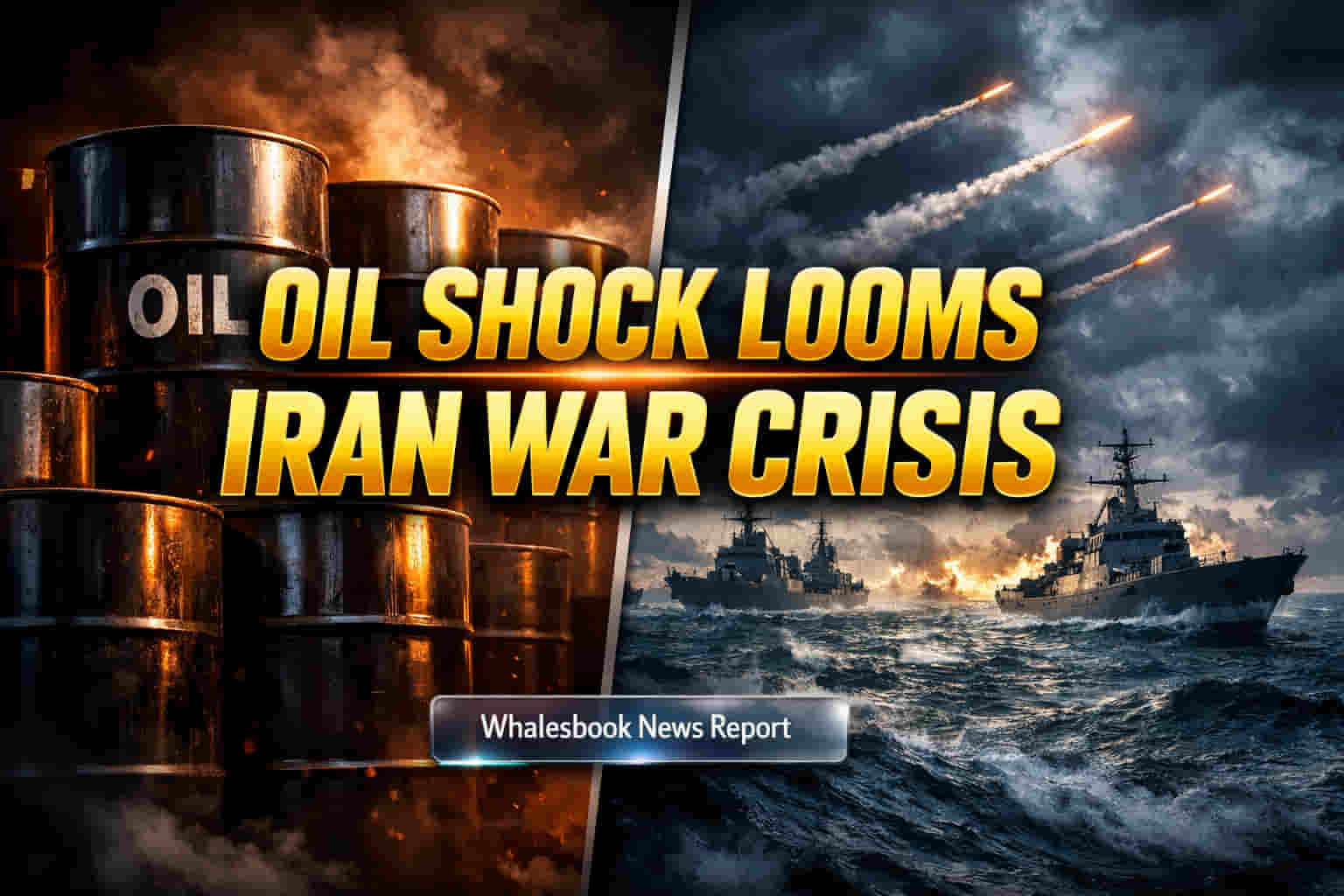
THE SEAMLESS LINK
This modest production adjustment from OPEC+'s Voluntary Eight group arrives as a strategic misstep, failing to acknowledge the overwhelming market influence of escalating geopolitical tensions. While the cartel cites stable economic outlooks, the true market determinant now is the physical security of supply routes, making the output hike insufficient to counter imminent disruption.
Production Adjustment: A Token Gesture
The OPEC+ V8 group, comprising Saudi Arabia, Russia, Kuwait, Oman, Iraq, the UAE, Algeria, and Kazakhstan, agreed to increase production quotas by 206,000 barrels per day for April. This decision surpasses the 137,000 bpd increase previously anticipated by market observers. Officially, the group cited "a steady global economic outlook and current healthy market fundamentals" as justification for the adjustment. However, this stated rationale appears disconnected from the immediate realities of escalating conflict and its potential impact on oil transit.
Strait of Hormuz: The True Market Driver
Market analysts widely question the efficacy of this incremental production increase in calming volatile markets. The primary concern centers on Iran's potential to disrupt shipping through the Strait of Hormuz, a critical chokepoint through which an estimated 17 to 20 million barrels of oil pass daily. Reports indicate Iran's Revolutionary Guards have issued warnings, and a Palau-flagged oil tanker, the Skylight, was struck near the strait, exacerbating fears of a full transit blockage. Should the Strait be significantly impeded, projections suggest oil prices could surge from approximately $72 to $120-$150 per barrel. Existing alternative pipelines, such as those operated by Saudi Arabia and the UAE, possess a combined capacity of only around 3 million bpd and cannot compensate for a complete shutdown of seaborne traffic. The logistics and transit risk demonstrably outweigh current production targets.
Non-Cartel Competition: The Unintended Beneficiaries
The cartel's stated preference for oil prices around $70-90 per barrel aims to discourage investment from rival producers. However, a geopolitical-driven price spike, fueled by supply disruptions rather than demand, would inadvertently empower these very same non-cartel producers. The United States is expected to maintain production near 13.5-13.6 million bpd in 2026, with potential for slight declines influenced by lower projected WTI prices around $52. Canada anticipates modest growth of approximately 3.5% in 2026, though pipeline capacity constraints loom. Brazil is poised to lead South American growth, with production forecasts reaching 4.0-4.2 million bpd in 2026. These non-OPEC+ supply increases, driven by higher prices, directly undermine the cartel's long-term strategy of market share management and price control.
Russia's Capacity Crisis: A Hindrance to Supply Security
Adding further complexity, Russia's ability to contribute meaningful additional supply is severely constrained. Sanctions, limited access to Western technology, and significant storage capacity issues restrict its production capabilities. Analysts suggest Russian oil output could decline by up to 300,000 bpd between March and May due to logistical problems and overflowing storage, forcing production curtailments. This inability to leverage spare capacity means Russia is not a reliable source for offsetting potential supply shocks.
The Bear Case: Underestimating Geopolitics
The decision to increase output by a mere 206,000 bpd in the face of an imminent maritime supply crisis is a significant strategic misjudgment. The group's total spare production capacity, largely concentrated in Saudi Arabia and the UAE, is estimated at around 2.5 million bpd, a figure that represents less than 3% of global supply and diminishes with any production increase. This limited buffer leaves the market extremely vulnerable. Furthermore, the cartel's reliance on "healthy market fundamentals" ignores the immediate threat to physical oil flows. The underlying crisis is not one of demand but of transit security, a factor the production increase does little to address.
Future Outlook
Market participants will closely monitor developments in the Gulf region and the status of shipping flows through the Strait of Hormuz. Analyst sentiment suggests prices will be highly sensitive to geopolitical events, potentially overriding the marginal impact of OPEC+'s production adjustment. The current market environment, characterized by high geopolitical risk premiums, suggests continued price volatility and a significant upward bias should the Strait of Hormuz face sustained disruption.