

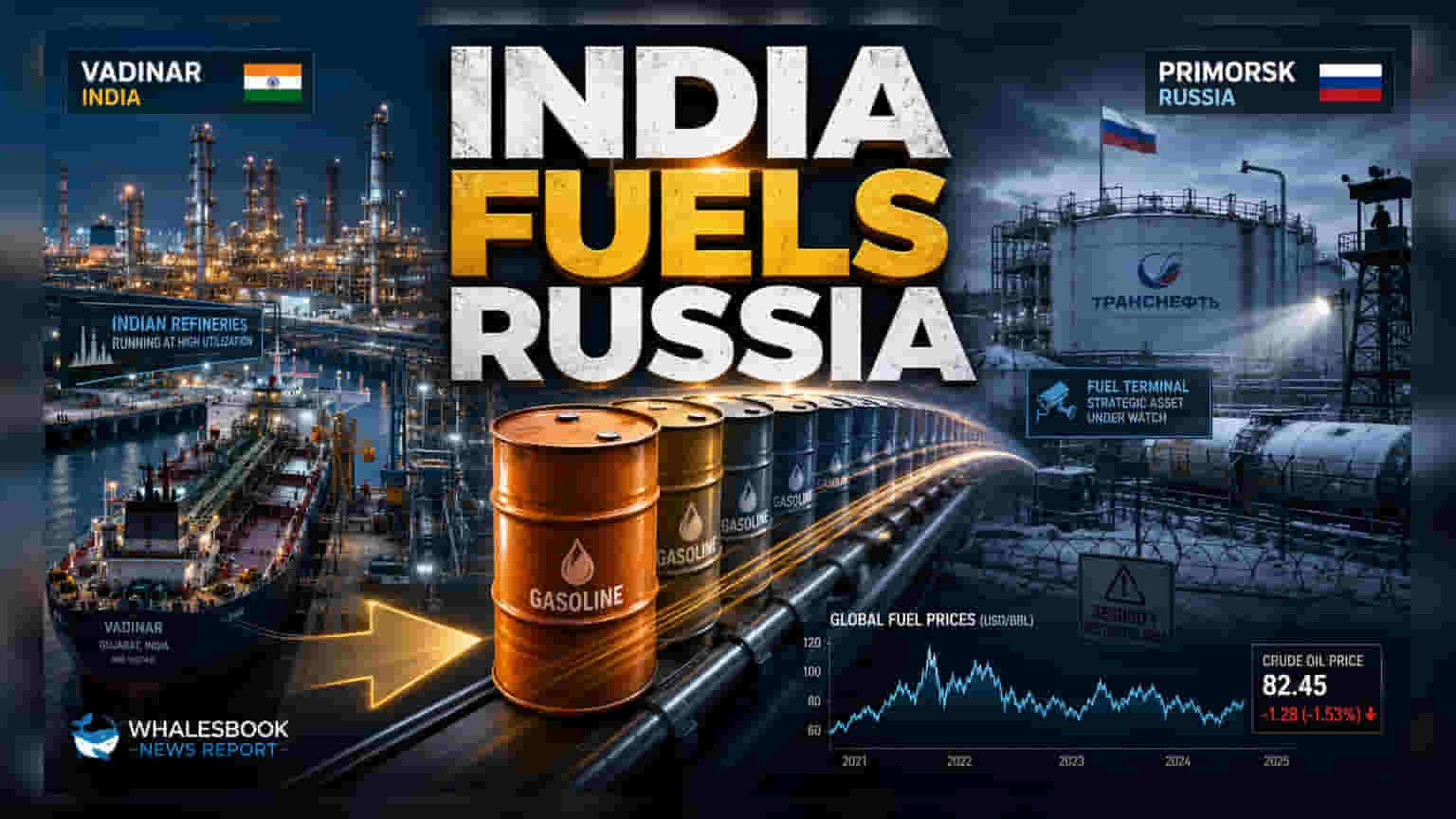
Gasoline produced by India’s Nayara Energy has reportedly been sold to Russia through traders as the nation faces local fuel shortages. Nayara, which is 49% owned by Russia’s Rosneft, has exclusively processed Russian crude at its Vadinar refinery since last year. This event highlights the complex global supply chains in the energy sector.
What Happened
Recent industry reports indicate that gasoline produced by Indian refiner Nayara Energy has reached Russia. Traders have reportedly facilitated these shipments to help address fuel deficits in Russia, which have intensified following attacks on the country's domestic energy infrastructure. According to available data, approximately 60,000 metric tons of gasoline have been moved from India toward Russia. Tanker tracking data shows vessels departing from the Vadinar refinery, with shipments passing through the Suez Canal.
The Connection to Russian Operations
Nayara Energy operates the Vadinar refinery in western India, which has a processing capacity of 400,000 barrels per day. The company has a significant connection to the Russian oil sector, with Russian state-owned oil giant Rosneft holding a 49% stake in the entity. Since European Union sanctions were imposed on Russian crude last year, Nayara has transitioned to exclusively processing Russian crude oil, replacing other international suppliers.
Understanding the Trade Loop
Indian officials have addressed the possibility of such trade. The Oil Minister has clarified that while Indian companies are not directly exporting fuel to Russia, it is possible for Russian entities to acquire fuel of Indian origin through third-party intermediaries. In this context, traders buy the refined product from the refinery and sell it to the end market, which makes tracking the ultimate destination more complex than a direct sale.
Why the Energy Sector Is Sensitive
While Nayara Energy is a private company and not listed on the Indian stock exchanges, this news is relevant for investors tracking the Indian oil and gas sector. The situation underscores the operational realities facing Indian refiners as they balance global trade, international sanctions, and the need to process cheaper crude oil.
For investors in the broader oil sector, this event highlights three main factors:
- Logistics Complexity: Managing export routes and payment processes has become increasingly intricate for refiners dealing with sanctioned crude or those tied to Russian entities.
- Regulatory Scrutiny: The energy sector operates under intense international monitoring. Any involvement in trade that could potentially bypass or complicate sanction compliance is closely tracked by global regulators.
- Supply Chain Reliability: As refiners shift their source of crude oil, their ability to maintain stable operations and find buyers for refined products remains a key factor for the stability of their business models.
What Investors Should Track
Investors looking at the Indian energy sector should monitor how global trade policies regarding Russian oil evolve. The ability of domestic refiners to manage the transition toward more diverse crude sources while navigating international payment hurdles is critical. Further updates on government policies regarding fuel exports and international trade compliance will also be relevant for assessing the long-term stability and risks associated with companies operating in this sector.