

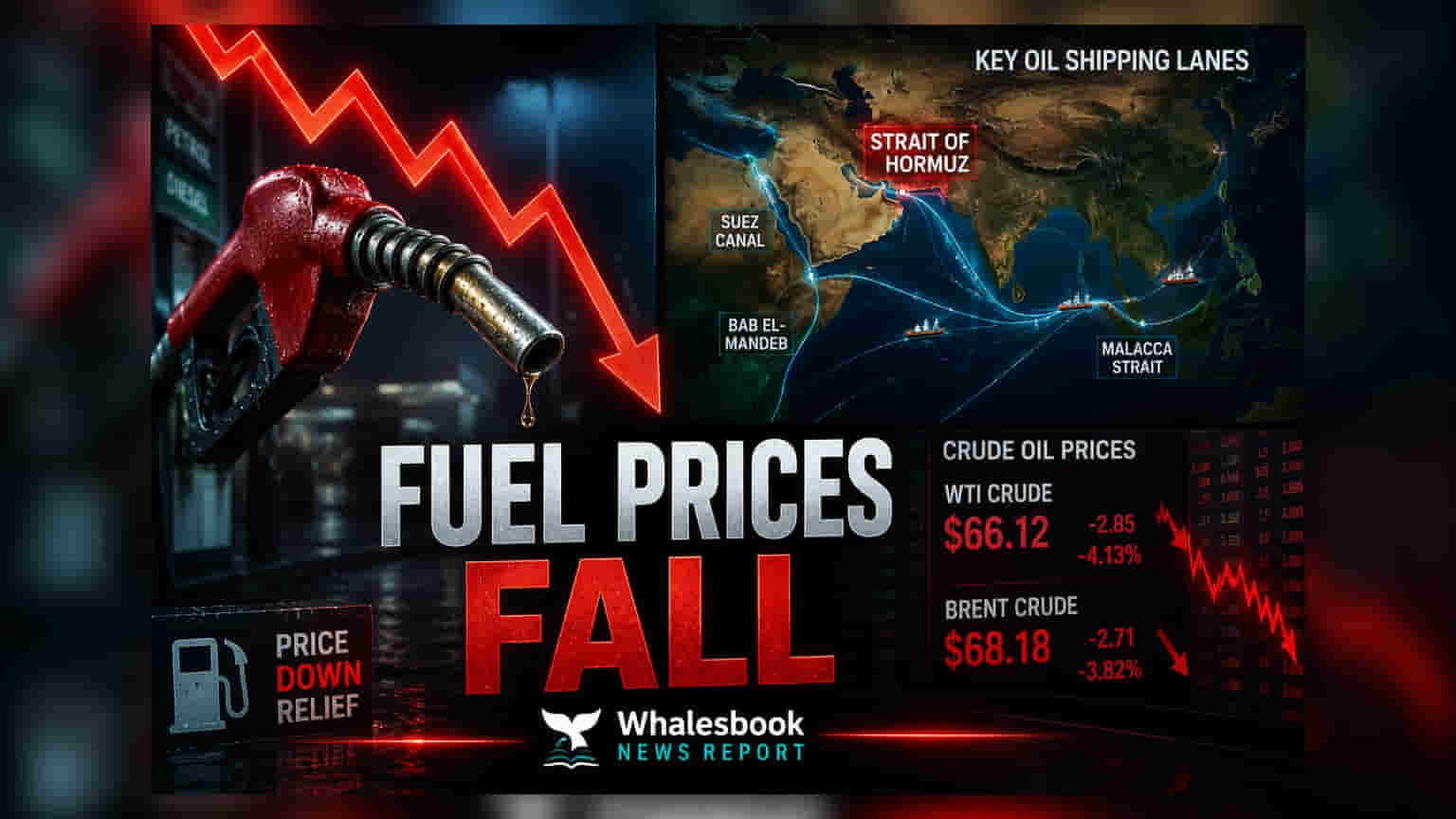
Nayara Energy has reduced petrol and diesel prices by Rs 5 and Rs 3 per litre, respectively, as global crude oil prices decline. State-run oil marketing companies have not followed suit, aiming to recover previous losses. Investors are now watching to see if this price divergence impacts the profit margins and retail market share of the major state-owned players.
What Happened
Nayara Energy, a private sector fuel retailer, has implemented a price cut across its network as of July 1, 2026. The company reduced petrol prices by Rs 5 per litre and diesel prices by Rs 3 per litre. This is the first time in over two years that a retail fuel price decrease has been initiated in India, a change driven by the easing of global crude oil prices, which are currently trading near $71 per barrel.
While this reduction brings relief to consumers at specific retail outlets, India’s state-run oil marketing companies (OMCs)—such as Indian Oil Corporation (IOCL), Bharat Petroleum (BPCL), and Hindustan Petroleum (HPCL)—have not announced similar cuts. Instead, these state firms are maintaining existing pump prices.
Why State Firms Are Holding Steady
The decision by state-run OMCs to keep prices unchanged is primarily a strategy to recover previous losses. During the recent geopolitical tensions in West Asia, which caused a spike in global energy costs, these companies had raised fuel prices by a cumulative Rs 7.5 to Rs 8 per litre over several rounds of hikes.
In the oil marketing business, when the cost of crude oil—the raw material for petrol and diesel—drops, the difference between the buying cost and the selling price at the pump usually widens. This gap is known as the marketing margin. By keeping retail prices steady while the raw material cost falls, state-run firms can recover the financial losses they absorbed when they did not fully pass on the cost increases to consumers during the previous price spikes.
Impact on Market Dynamics
For investors, the key area to watch is how this price difference affects the competitive landscape. While the state-run OMCs have a vastly larger network of petrol pumps across India compared to private players like Nayara Energy, the price gap can influence where consumers choose to refuel.
However, price sensitivity at the pump is often balanced by the convenience of location and brand loyalty. Historically, when private retailers offer lower prices, they typically capture higher volumes from price-sensitive commercial users, such as fleet operators, rather than the mass passenger vehicle market. The ability of state-run firms to defend their market share while prioritizing margin recovery will be a point of interest in upcoming quarterly performance updates.
What Investors Should Track
Investors should closely monitor the 'marketing margin' reported by oil marketing companies in their upcoming financial results. If global crude oil prices remain at or below the $71 per barrel mark for an extended period, the pressure on state-run OMCs to eventually lower retail prices will increase. The timing of any such decision—if and when it happens—will be the primary factor influencing their earnings quality. Additionally, observing whether the price gap triggers a shift in fuel sales volumes between private and public sector retail networks will provide insights into the sector's competitive health.