

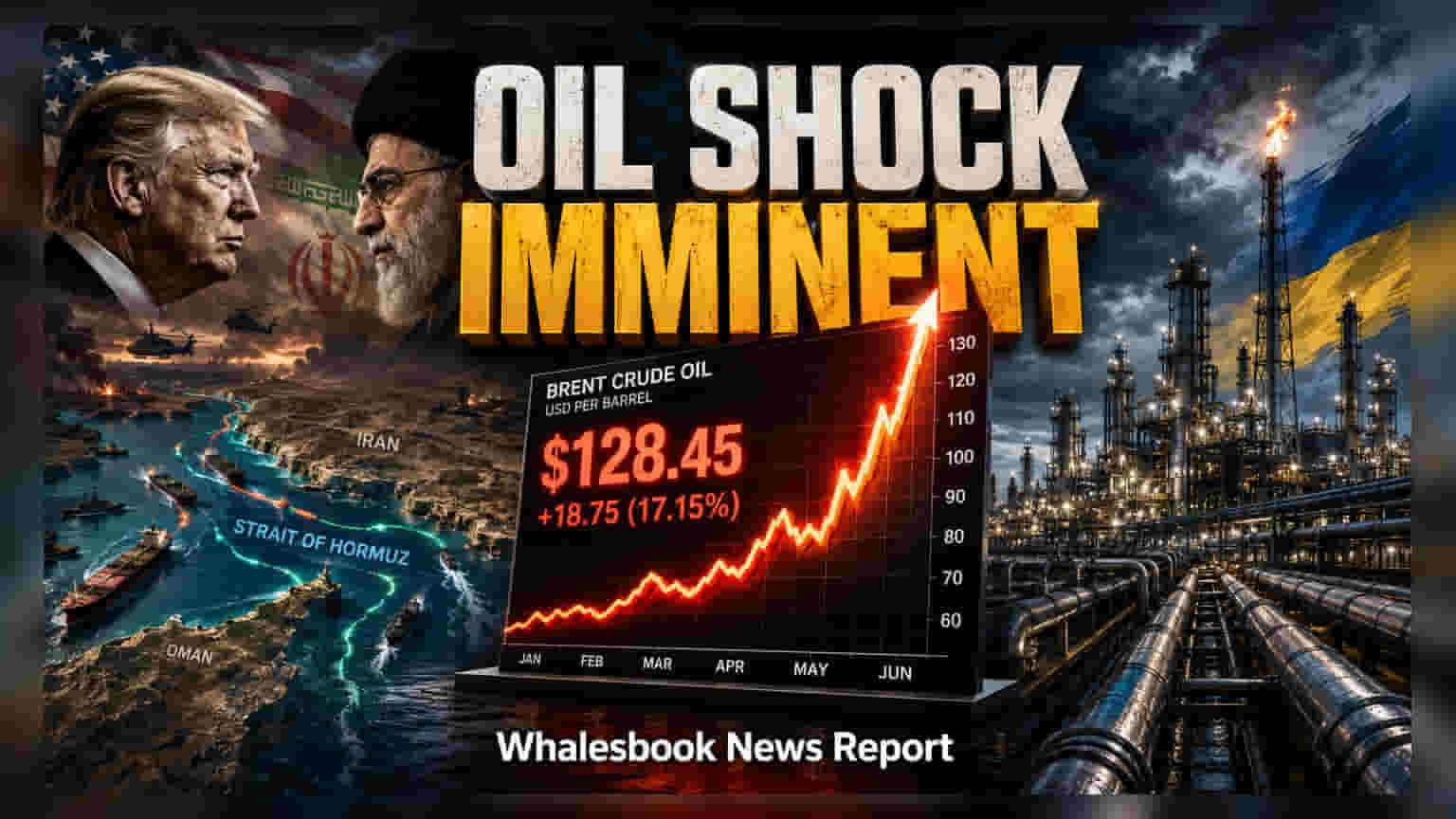
Mirae Asset states that oil markets are not fully accounting for risks like Strait of Hormuz disruptions and ongoing conflict-related refinery damage. With global strategic reserves at low levels, investors should expect increased price volatility. This could pressure refining margins and fuel costs, affecting inflation and energy-dependent companies.
Detailed Coverage
Global oil markets currently face a combination of geopolitical tensions and structural supply constraints that could lead to significant price swings. According to a recent analysis by Mirae Asset, current market prices may not fully reflect the potential for supply shocks. While tensions between the US and Iran have seen some recent easing, the underlying logistical vulnerabilities remain a major concern for the global energy sector.
Strait of Hormuz and Global Supply
The Strait of Hormuz remains a critical bottleneck for global oil transit. Despite alternative pipeline infrastructure in countries like Saudi Arabia and the UAE, millions of barrels of crude still rely on this maritime route daily. Ongoing regional instability continues to threaten these physical flows, creating a risk that the market is currently underestimating. For investors, this means the risk of a sudden supply gap remains elevated, which could trigger sharp, unpredictable increases in crude oil prices.
Impact of Conflict on Russian Infrastructure
The ongoing Russia-Ukraine war has directly affected global oil supply by targeting key processing infrastructure. Repeated drone attacks on Russian refineries have forced a reduction in crude processing capacity, pushing Russian oil production to a 2.5-year low. This disruption has ripple effects in international markets, as lower fuel exports from Russia contribute to tighter supply and higher product prices in regions like Europe. The reduction in available refining capacity has widened crack spreads, which is the difference between the price of crude oil and the refined products produced from it.
The Role of Depleted Inventories
A major factor increasing the risk of volatility is the significant reduction in strategic petroleum reserves. Between March and June, OECD nations drew down approximately 700 million barrels of oil from these emergency buffers. With these reserves at much lower levels, the global market lacks the traditional cushion needed to absorb unexpected physical supply shocks. Consequently, any new disruption is likely to have a more immediate and severe impact on oil prices.
What Investors Should Track
Looking ahead, oil prices are expected to remain volatile. The market is currently pricing in a range of scenarios, with potential average prices fluctuating based on the intensity of geopolitical conflicts. Key monitorables for investors include the stability of maritime traffic in the Persian Gulf, updates on Russian refining capacity, and any changes in strategic reserve levels. For companies heavily reliant on fuel for logistics, manufacturing, or transport, these supply-side pressures could lead to increased operational costs and impact future profit margins.