

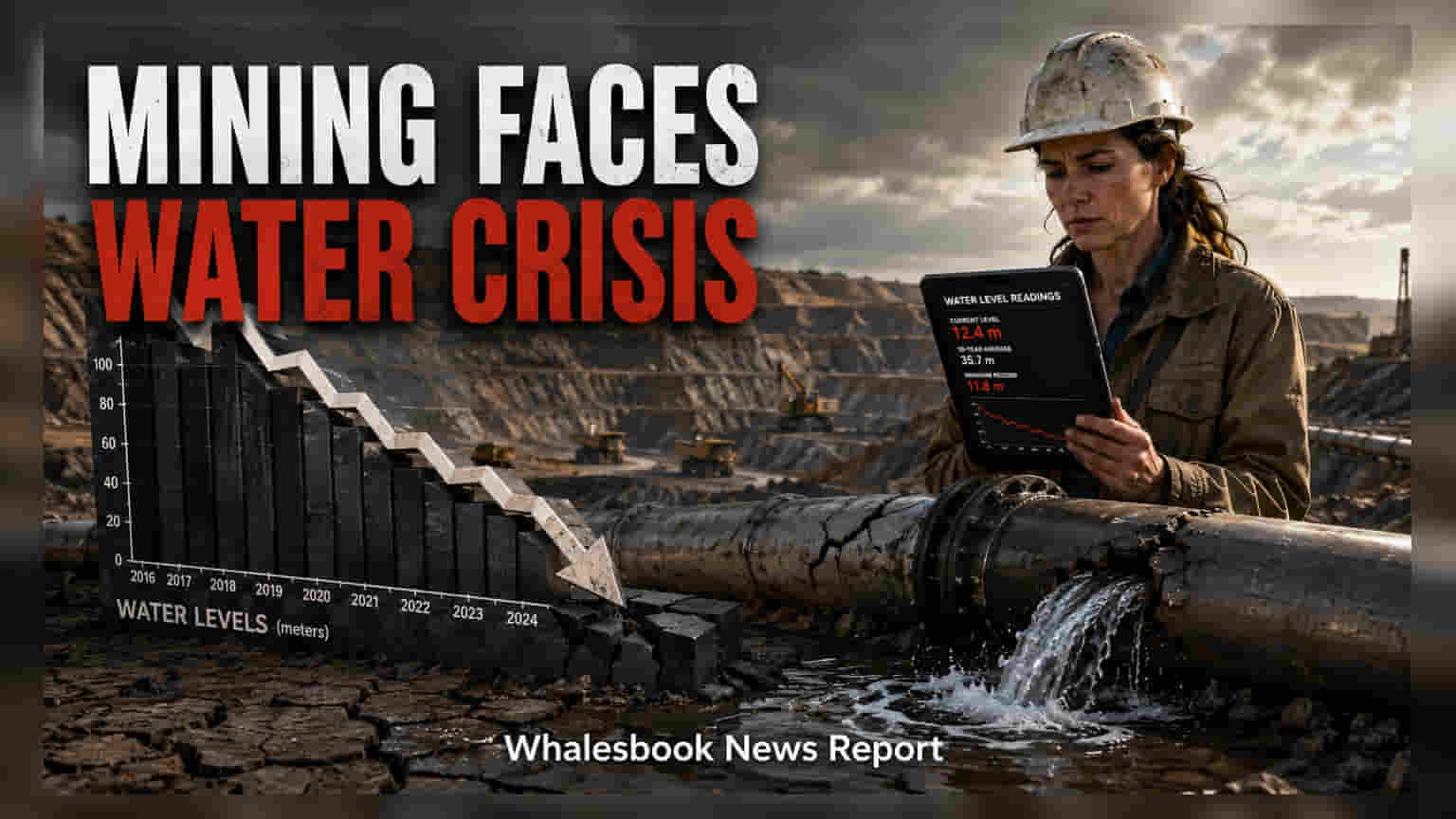
A new ICMM report reveals that nearly 66% of global mining sites face significant water risks like drought and flooding. This poses a major threat to the supply of critical minerals needed for electric vehicles and renewable energy technology.
Detailed Coverage
A comprehensive analysis by the International Council on Mining and Metals (ICMM) has highlighted a growing challenge for the mining industry, with nearly two-thirds of global facilities now exposed to substantial water-related risks. Published on July 22, 2026, the report assesses over 12,000 sites across 148 countries, identifying that 65.7% of these operations are struggling with issues such as water scarcity, drought, and unpredictable flooding. For Indian investors, this data is particularly relevant as the report specifically notes that regions including central India are among the areas facing compound water hazards, where multiple climate-related risks overlap.
Impact on Critical Mineral Supply
The mining sector is the backbone of the global energy transition, providing essential minerals for electric vehicle batteries, solar panels, and wind infrastructure. The report warns that these water constraints could disrupt the steady production of these vital resources. Among the identified risks, baseline water stress—where demand for water exceeds the available supply—is the most common, affecting approximately 38% of all mining sites globally. Additionally, drought conditions impact 27% of facilities, with extreme exposure reported in regions like Africa and the Middle East.
Vulnerabilities by Commodity and Region
Water risks vary significantly depending on the geography and the type of material being mined. While drought and water stress are widespread, flood risks affect about 14% of mining operations. Data indicates that production sites for alumina, aluminum, steel, and molybdenum are particularly vulnerable to flooding. Furthermore, interannual variability—or the unpredictability of water supply from one year to the next—affects 16% of sites globally, with Oceania recording the highest exposure at 74%. These fluctuations make it difficult for companies to plan long-term capital spending and production targets, as water availability is becoming less reliable.
Investor Perspective and Monitoring
For investors, these findings underscore that water management is no longer just an environmental concern but a material financial risk. Poor water stewardship can lead to operational shutdowns, increased costs for water treatment, and potential regulatory hurdles. As global demand for critical minerals remains high, companies that fail to incorporate advanced water-saving technologies into their operations may face higher execution risks and margin pressure. Investors should look for management commentary in future earnings calls regarding water risk mitigation strategies, investments in desalination or recycling infrastructure, and site-specific water stress management plans. The ability of mining firms to secure reliable water sources will be a key factor in ensuring project timelines are met as the world continues its shift toward greener energy.