 Whalesbook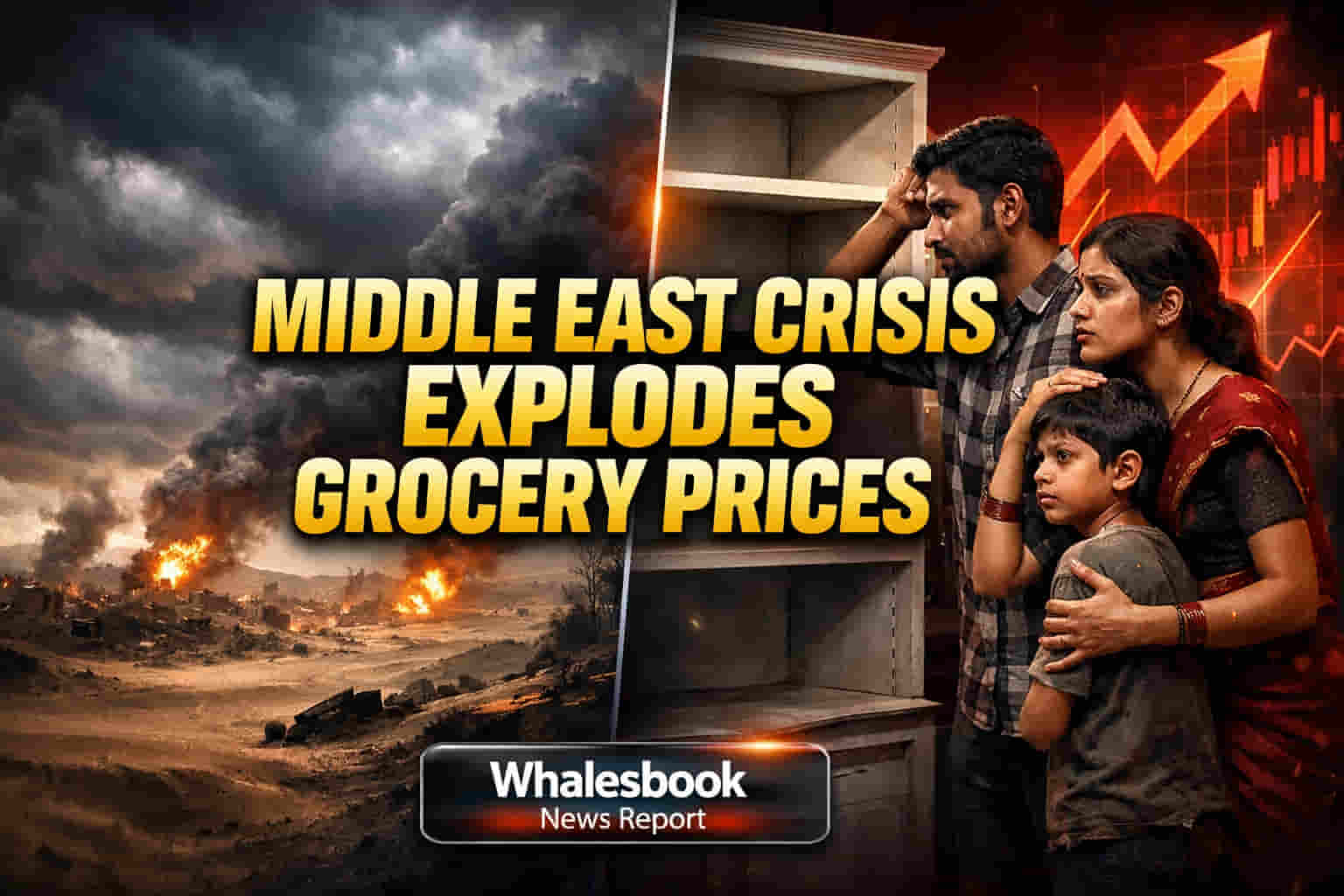


Geopolitical Turmoil Fuels Broad Inflationary Pressures Beyond Groceries
The Ripple Effect: From Crude to Consumer Goods
The escalating geopolitical tensions in the Middle East are directly fueling a sharp ascent in global energy prices. Brent crude oil futures have surged, trading around $79.41 per barrel, marking a significant weekly increase of over 12%. WTI crude is similarly affected, hovering near $72.54 per barrel. This rise is a direct consequence of heightened regional instability and concerns over potential disruptions to critical shipping lanes like the Strait of Hormuz, a chokepoint for a substantial portion of global oil shipments. Historically, such conflicts have triggered substantial oil price shocks, as seen in the 1970s and 1990s. This energy price shock has immediate implications for edible oils. Wholesale cooking oil rates have already seen increases of up to 5%, driven by rallies in international soyabean and palm oil contracts that mirror the spike in crude oil prices. The underlying mechanism involves the diversion of these oils to biodiesel production when crude prices climb, tightening food-grade supply. The S&P GSCI Commodity Index, a broad measure of commodity performance, has also reflected this upward trend, recently hitting a 4-week high.
Supply Chain Fractures: A Strain on Kitchen Staples
The conflict's disruption extends beyond energy to vital food supply chains. Imported dry fruits and nuts, including almonds, pistachios, and apricots sourced from regions like Iran and Afghanistan, are facing significant price hikes. Traders report increases of 20-30%, with some items doubling in price, as supplies are choked off by disrupted trade routes. For instance, wholesale mamra almonds have jumped from ₹1,800 to ₹2,800 per kg, and Iranian pistachios from ₹840 to ₹1,300. Similarly, pulses like tur, urad, and lentils, for which India imports millions of tonnes annually, are vulnerable. Industry officials warn that prices could rise if the conflict persists, driven by increased logistics costs and global price shocks, exacerbating food inflation concerns. India's reliance on imports from countries like Myanmar, Canada, and Africa leaves its kitchen budgets exposed to these global shocks.
The Bear Case: Inflationary Headwinds and FMCG Squeeze
The escalating commodity prices and supply chain disruptions present a complex challenge for the broader Fast-Moving Consumer Goods (FMCG) sector. Petrochemical inputs, derived from crude oil, are fundamental to products ranging from detergents and toothpaste to packaging materials, accounting for a significant portion of input costs for FMCG companies. Rising energy prices directly translate into higher manufacturing and transportation costs, squeezing profit margins. Analysts project a slowdown in FMCG sector growth for 2026, with forecasts ranging from 3-4%, a dip from 2025's 5.2% expansion, citing subdued economic growth and price pressures. While some reports express optimism for high single-digit growth in 2026 buoyed by policy support and benign commodity trends, the immediate reality is one of increasing costs. Geopolitical risk is a known driver of food price inflation, particularly impacting developing economies. Consumers, already navigating higher grocery bills, may further reduce discretionary spending. The Indian Rupee's current exchange rate, around 91.58 to the US dollar, adds another layer of cost for imported goods. This environment necessitates careful pricing strategies and cost management for FMCG firms, as many categories face elevated input costs and a potentially more cautious consumer.
Forward Outlook: Navigating Persistent Uncertainty
The outlook for consumer goods remains intertwined with the geopolitical situation and its impact on commodity prices. While some forecast a resilient FMCG sector capable of achieving high single-digit growth in 2026 due to supportive policy tailwinds and easing inflation, the immediate inflationary pressures are undeniable. The sector faces a delicate balancing act: absorbing rising input costs, managing consumer affordability, and investing in strategies for sustained growth. The impact of sustained Middle East instability on shipping through critical routes like the Strait of Hormuz remains a significant wildcard, potentially leading to prolonged economic and political pressure.