 Whalesbook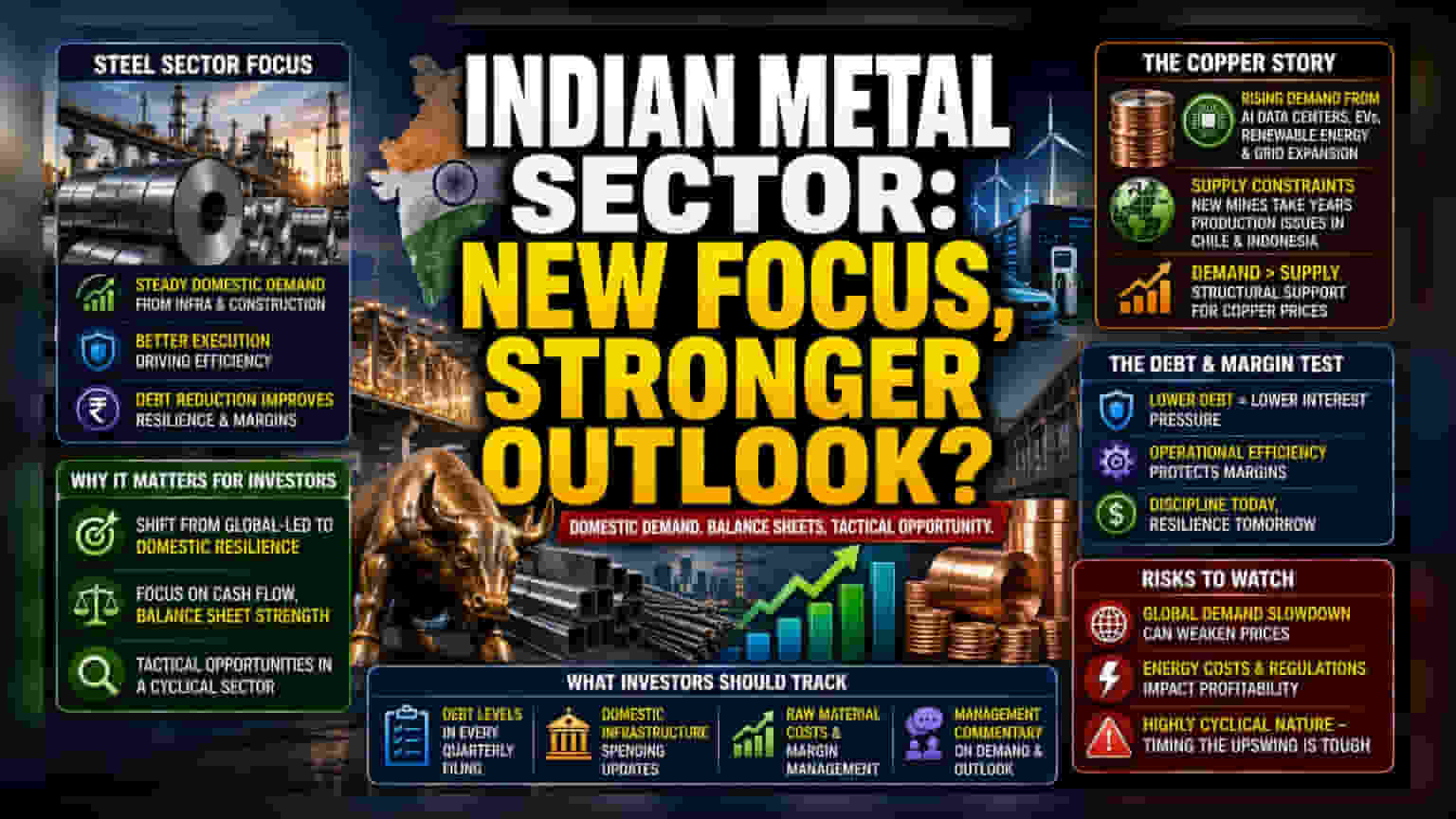


Indian metal stocks are showing signs of potential, driven by strong domestic demand and structural copper growth. We analyze the shift from global cyclical risks to local resilience and why a cautious, tactical approach is essential for investors.
What Happened
The Indian metal sector is witnessing a change in investor sentiment. While global factors like China’s property market weakness have traditionally weighed on commodity prices, market attention is shifting toward domestic resilience. Indian steel producers are benefiting from steady local demand, while the copper market is gaining traction due to structural shifts in technology and energy sectors. This has created a situation where many analysts are re-evaluating the sector, moving away from purely global-led outlooks to focus on domestic execution and balance sheet strength.
Why This Matters For Investors
For years, metal stocks have been viewed as highly cyclical, meaning they perform well when the global economy grows and suffer during downturns. The current interest is not necessarily about a broad, long-term market boom, but rather a tactical opportunity. Investors are looking at companies that have managed their debt effectively and are using their cash to improve efficiency. This means the focus is on whether a company can generate profits even when global commodity prices are not at their peak, by relying on strong demand from Indian infrastructure and construction projects.
The Copper Story
Copper is attracting specific attention due to its critical role in modern infrastructure. Unlike steel, which is heavily tied to traditional construction, copper is seeing demand from newer areas like artificial intelligence data centers, electric vehicles, and renewable energy grids. These sectors require significant amounts of wiring and electrical components. Simultaneously, supply remains a challenge. Developing new mines takes years, and existing production in key regions like Chile and Indonesia has faced interruptions. This mismatch between rising demand and limited supply acts as a support level for copper prices, making companies with significant copper exposure interesting to market watchers.
The Debt and Margin Test
One of the most important changes in the Indian metal sector over the last few years is how companies handle money. Many major players used the cash generated during the previous cycle to pay down their debt. Lower debt means less interest pressure, which protects profit margins during periods of falling prices. Investors are watching to see if this discipline continues. The ability to keep margins stable when raw material costs fluctuate is a key sign of a company’s operational efficiency.
Risks and Market Concerns
It is important to remember that metal stocks are rarely a one-way street. The sector remains vulnerable to risks that investors must track. First, the price of commodities like steel and copper is still largely determined by global trade flows. If global demand slows down significantly, it can drag down prices regardless of how strong Indian demand is. Second, energy costs and environmental regulations are major factors. Changes in government policies or sudden spikes in power and fuel prices can hurt profitability. Additionally, the cyclical nature of the business means that timing is difficult. What looks like a bottom in prices today can turn into a long period of stagnation if global economic conditions change.
What Investors Should Track
Investors looking at this sector should prioritize monitoring the company’s specific project timelines and balance sheet health over general market noise. Track the company’s debt levels in every quarterly filing to see if they are continuing to reduce borrowing. Keep an eye on domestic infrastructure spending updates from the government, as this is the primary cushion for Indian steel. Finally, look for management commentary on how they are managing raw material costs, as this will determine if the recent tactical interest translates into actual, sustainable profit growth.