

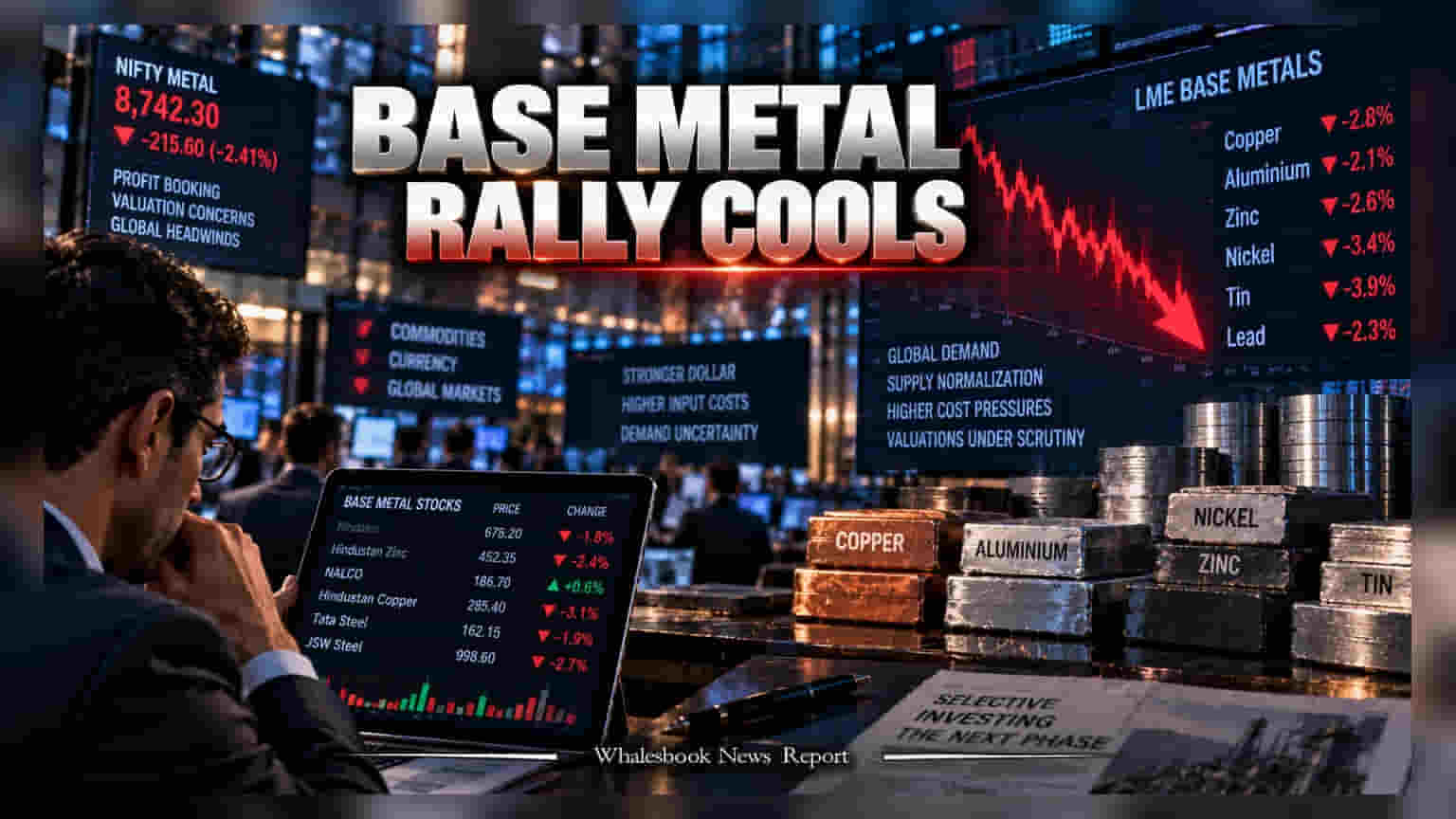
The broad rally in Indian metal stocks is losing momentum as valuations hit record highs, prompting investors to focus on specific company strengths. With the Nifty Metal index delivering strong one-year returns, analysts note that future gains will rely on margin protection and cash flow rather than sector-wide sentiment.
The broad-based rally in base metal stocks, which propelled the Nifty Metal index to historic highs with a roughly 38% gain over the past year, is showing signs of cooling. As prices for key commodities like copper and tin have surged on the London Metal Exchange, many metal companies have seen their stock prices rise significantly. However, market participants are now shifting their strategy. The phase where investors bought almost any stock in the sector regardless of its quality appears to be ending, as valuations for many companies have become stretched.
Moving From Sentiment to Fundamentals
The easy gains that characterized the past year are now harder to come by. Stocks such as Hindustan Copper and National Aluminium Company, which saw substantial share price increases during this period, are now facing closer scrutiny from the market. Analysts point out that investors are pivoting toward companies that can demonstrate disciplined execution, resilient profit margins, and consistent cash flow generation, rather than simply betting on a sector-wide price rise.
This change in strategy is driven by the fact that many metal stocks are already trading at higher valuations compared to their historical averages. When market sentiment becomes overly optimistic, it often fully prices in potential growth, leaving little room for error if company results do not meet high expectations.
Risks and Market Pressures
While the demand from renewable energy and infrastructure projects remains a supporting factor for the long term, the sector faces several risks that investors must monitor. One major headwind is the potential for supply normalization, where increased production can lead to a drop in commodity prices. Additionally, the sector remains highly sensitive to global economic factors, particularly a strengthening US dollar, which can make imported raw materials more expensive for Indian companies and put pressure on profit margins.
Furthermore, companies continue to grapple with fluctuating raw material costs, such as coking coal, and potential demand uncertainty linked to seasonal variations like the monsoon. These pressures mean that even if global metal prices stay elevated, a company’s actual profitability will depend heavily on its ability to control costs and manage debt.
What Investors Should Monitor
Going forward, the focus for investors is expected to remain on individual company performance. Large, diversified players such as Hindalco Industries, known for its non-ferrous operations, and Hindustan Zinc, which benefits from silver-linked earnings, are often highlighted by analysts for their unique business models. The key for investors will be to look past the sector index and evaluate companies based on their balance sheet health, their ability to fund expansion projects without taking on excessive debt, and their success in maintaining margins even when commodity prices fluctuate. The next few quarters of financial results will be critical in determining which companies can sustain their growth in this more selective market environment.