 Whalesbook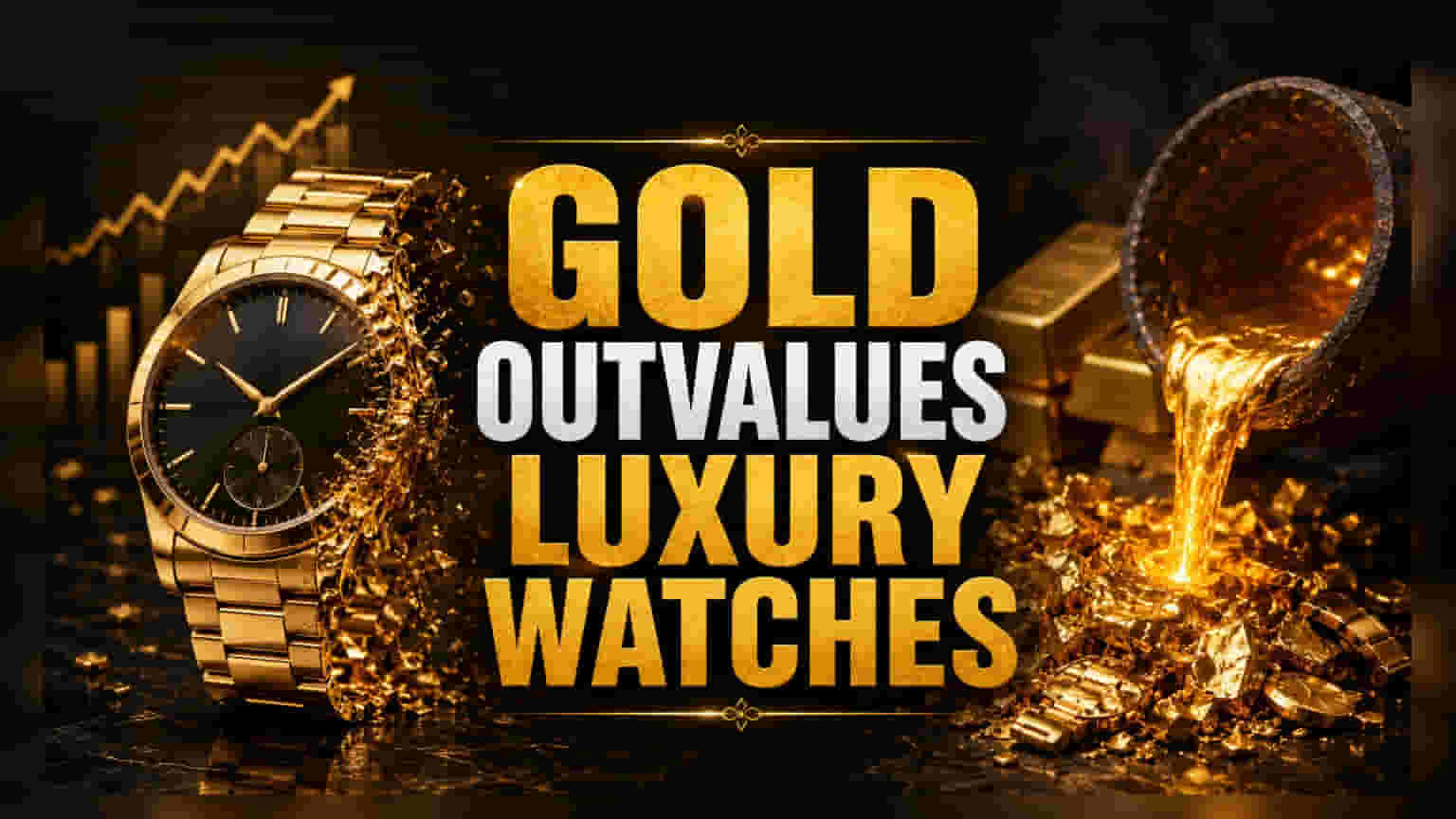


Record gold prices are leading to a rare trend where some luxury watches are being melted down for their metal content. This shift highlights a sharp divide in the industry between highly exclusive, rare pieces and mass-market luxury goods struggling with oversupply and depreciation.
What Happened
A unique trend is emerging in the luxury goods sector as gold prices hit record highs. Some luxury watches, particularly those from non-exclusive or mainstream luxury brands, are being melted down because the gold used to make them is now worth more than the resale value of the watch itself. This phenomenon turns high-end timepieces into scrap metal, as the value of the raw material outweighs the value of the watch as a collector's item or a used accessory.
The Value Disconnect
The fundamental issue driving this trend is a gap between the price of raw gold and the secondary market value of specific watch models. For certain contemporary pre-owned and older vintage watches that lack significant collector appeal, the depreciation after the initial purchase has been steep. When gold prices surge, the intrinsic value of the precious metal in the casing or bracelet can exceed what a buyer is willing to pay for the watch at an auction or a second-hand dealer. This makes it economically logical for traders to dismantle the timepiece rather than try to resell it at a loss.
The Overproduction Risk
Beyond just older models, experts point to a broader issue of overproduction within the Swiss watch industry. Some manufacturers have struggled with excess inventory, leading to a surplus of new, unworn watches on the market. When these models fail to maintain their value in the secondary market, they risk being dismantled for their materials. This situation contrasts sharply with top-tier luxury brands like Rolex or Patek Philippe, which carefully manage their production levels. These brands maintain strict control over supply, which keeps their resale value high and prevents their products from being treated as mere commodities for scrap.
Why This Matters For Brand Perception
For investors, this trend offers a look into the health of luxury business models. It highlights the importance of brand exclusivity and supply discipline. Brands that flood the market or rely heavily on volume often see their products depreciate quickly, leaving them vulnerable to market conditions. Conversely, brands that limit supply and cultivate long-term desirability protect their value, even when commodity prices rise. The melting of watches is not just a niche commodity story; it is a signal of how well—or how poorly—a brand manages its inventory and its position in the luxury hierarchy.
What Investors Should Track
Investors monitoring the luxury sector may look for signs of inventory management and secondary market pricing. The key monitorable is the sustainability of resale values for mid-tier luxury brands. If a brand's products consistently lose value faster than gold prices rise, it indicates a disconnect between production and demand. Furthermore, tracking management commentary on inventory levels and production strategies can provide insight into whether a company is managing its growth responsibly or creating an oversupply that could impact brand equity in the long run.