

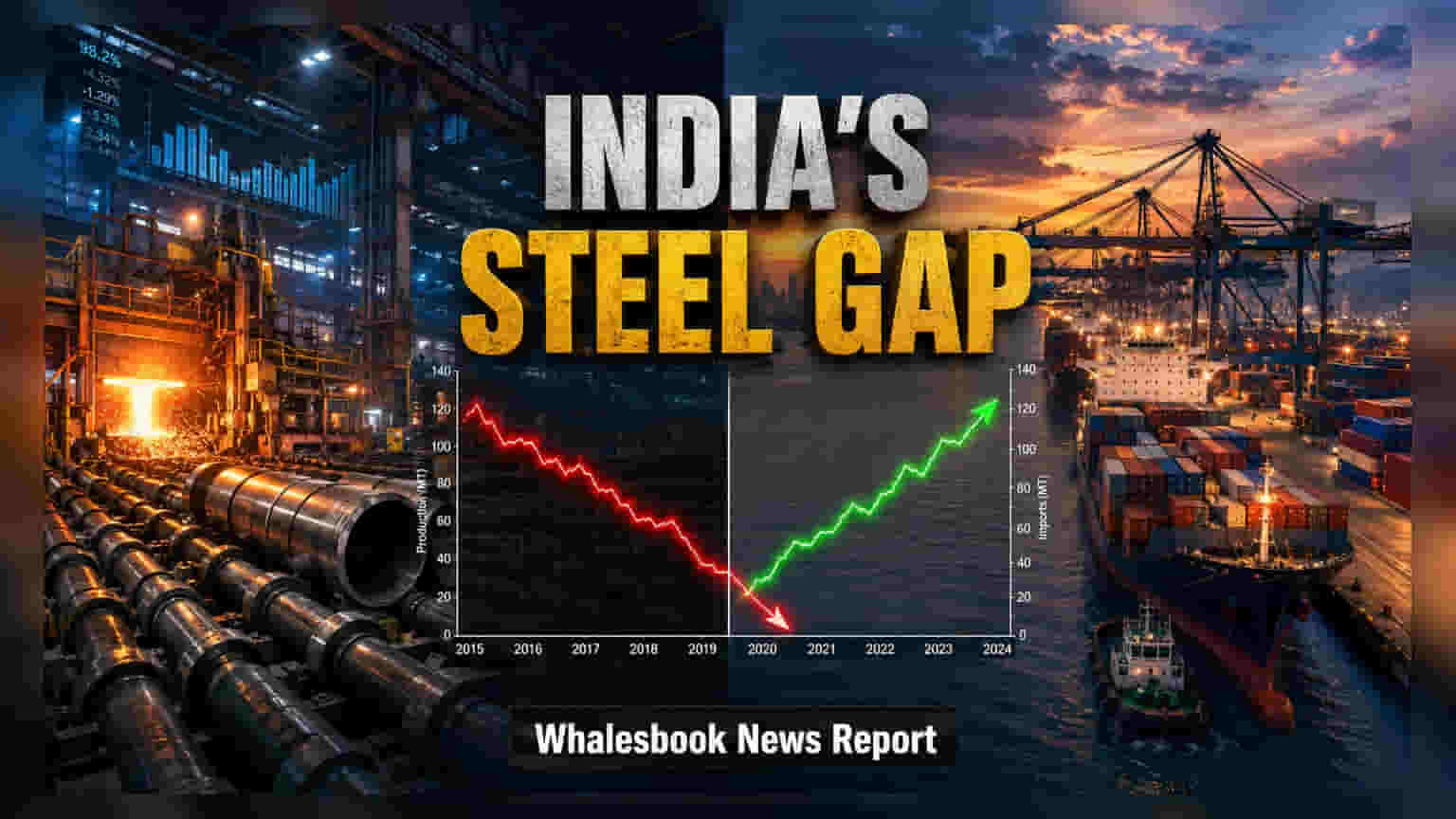
Jindal SAW is sourcing 35-40% of its specialized steel from abroad because domestic production of high-grade pipeline materials is currently insufficient. This reliance follows India's trend of becoming a net importer of finished steel. Alongside this, the company reported a 78% drop in its first-quarter profit, reflecting margin pressure and challenges in international projects.
Jindal SAW Ltd. is currently importing 35% to 40% of its specialized steel requirements, as the domestic steel industry in India is struggling to produce the high-grade materials needed for oil and gas pipelines. While local steelmakers are working to develop these products, the current production volumes are not enough to meet the company's needs at a commercial scale. This forced dependency on international markets, particularly South Korea and China, aligns with India's broader shift into becoming a net importer of finished steel.
The challenge for pipe manufacturers like Jindal SAW is that the oil and gas sector requires specific steel grades to ensure safety and durability. According to the company's management, the lack of sufficient domestic supply for these high-grade applications forces them to look globally. While major domestic players like JSW Steel, JSPL, and AM/NS India are making progress in developing certain grades, the lack of mass-produced, commercially competitive volumes continues to limit local sourcing options.
Financially, the company is facing a challenging period. In the first quarter of the 2027 fiscal year, Jindal SAW reported a 9% year-on-year increase in revenue. However, the company’s profit after tax (PAT) saw a sharp decline of 78.15% compared to the same period last year. This significant drop in profitability highlights the impact of margin pressure and the difficulties in executing international projects, particularly amid ongoing geopolitical instability in the West Asia region. These international business issues have led to project delays and added logistical costs.
Despite these hurdles, the company is maintaining its focus on growth. Jindal SAW has planned a capital expenditure of ₹500-600 crore for the 2027 fiscal year to support its operations. The business is currently split between the water industry, which accounts for about 60% of its revenue, and the oil and gas sector, which makes up the remaining 40%. Management has expressed optimism that global demand for pipeline infrastructure, especially in water and energy sectors, will continue to grow faster than the general economy.
For investors, the key factor to watch is the company's ability to navigate these margin pressures. The heavy reliance on imports exposes the company to risks, including global price volatility and supply chain disruptions. Furthermore, the company’s ability to improve its profit margins will depend on how successfully it can manage its international projects and whether domestic steelmakers can eventually ramp up the production of specialized grades to offer a more competitive local alternative.