

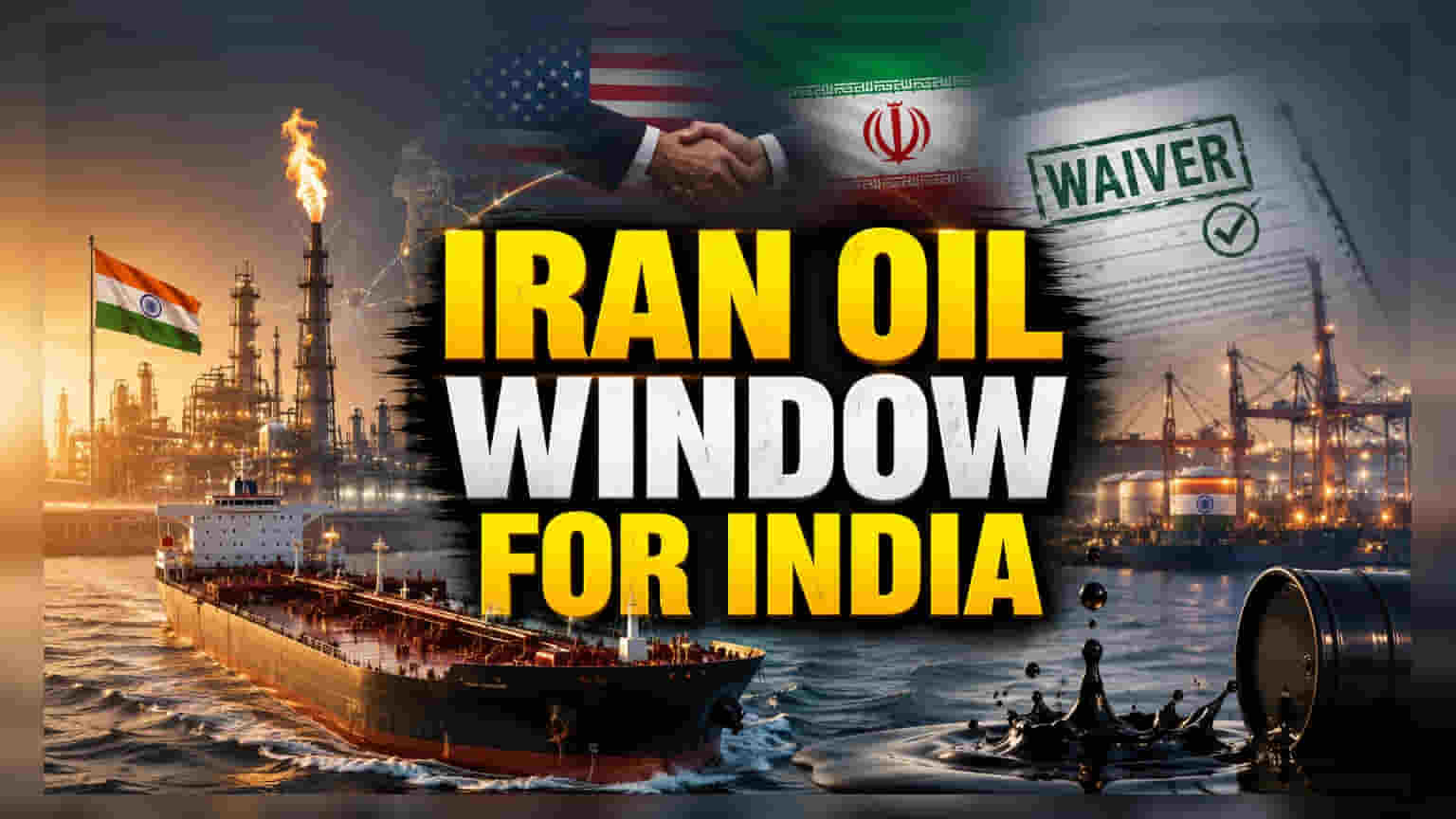
The US has issued a temporary 60-day sanctions waiver for Iranian oil until August 21, 2026, creating a window for India to explore new crude supplies. While this move could potentially lower import costs through reduced transportation times, Indian refiners are likely to balance this opportunity against their existing long-term supply contracts.
What Happened
The United States has issued a temporary 60-day sanctions waiver regarding Iranian oil, effective until August 21, 2026. This move allows for the production, delivery, and sale of Iranian crude oil and petroleum products. The development follows preliminary peace discussions between US and Iranian officials, opening a window for Tehran to resume oil exports to international markets. For India, which imports over 85% of its crude oil requirements, the waiver provides a potential opportunity to access Iranian supplies after years of restricted trade due to previous sanctions.
Why It Matters for Indian Refiners
For Indian refiners, including companies like Indian Oil Corporation (IOCL), Bharat Petroleum (BPCL), Hindustan Petroleum (HPCL), and Reliance Industries, the return of Iranian oil offers both operational and logistical benefits. Historically, Iranian crude has been well-suited for the technical configurations of many Indian refineries, making it a relatively easy replacement for other heavy-sour crude grades.
Logistics is another key factor. While crude sourced from regions like the US can have transit times of up to 60 days, cargoes from Iran can reach Indian ports in approximately five days. This proximity significantly lowers freight and insurance costs, which helps in managing overall input prices. Diversifying the supply basket is a long-standing strategy for India to ensure energy security, particularly during periods of geopolitical instability in West Asia.
The Business Reality Check
While the waiver allows for trade, Indian refiners are approaching the development with caution. Most major refiners have already secured their crude oil requirements through August 2026 to ensure operational stability amid existing global trade flows. Consequently, there is no immediate urgency to shift procurement patterns. Furthermore, Indian companies have successfully established alternative supply chains in recent years, reducing their reliance on any single supplier. The decision to lift Iranian oil will ultimately depend on the techno-commercial feasibility of these shipments and whether the temporary waiver leads to a more permanent, long-term trade agreement.
Risks and Market Context
The primary risk for investors is the temporary nature of this arrangement. Because the waiver is only valid for 60 days, it does not guarantee a long-term supply solution. If the geopolitical environment shifts or if the peace talks do not result in a lasting agreement, sanctions could be reinstated. Refiners are wary of committing to new, complex logistics arrangements for a short-term window that may close abruptly. Additionally, global crude oil prices remain influenced by a complex interplay of demand, OPEC+ production quotas, and the ongoing volatility in shipping corridors like the Strait of Hormuz.
What Investors Should Track
The key monitorables for investors include whether Indian refiners sign concrete import contracts with the National Iranian Oil Company (NIOC) during this 60-day window and how this impacts their gross refining margins (GRMs). Analysts will also watch for any official communication from the Ministry of Petroleum and Natural Gas regarding procurement strategy. Long-term, the focus will remain on whether this waiver is extended, as a lasting deal would be required to significantly alter the crude procurement matrix for India’s energy sector.