 Whalesbook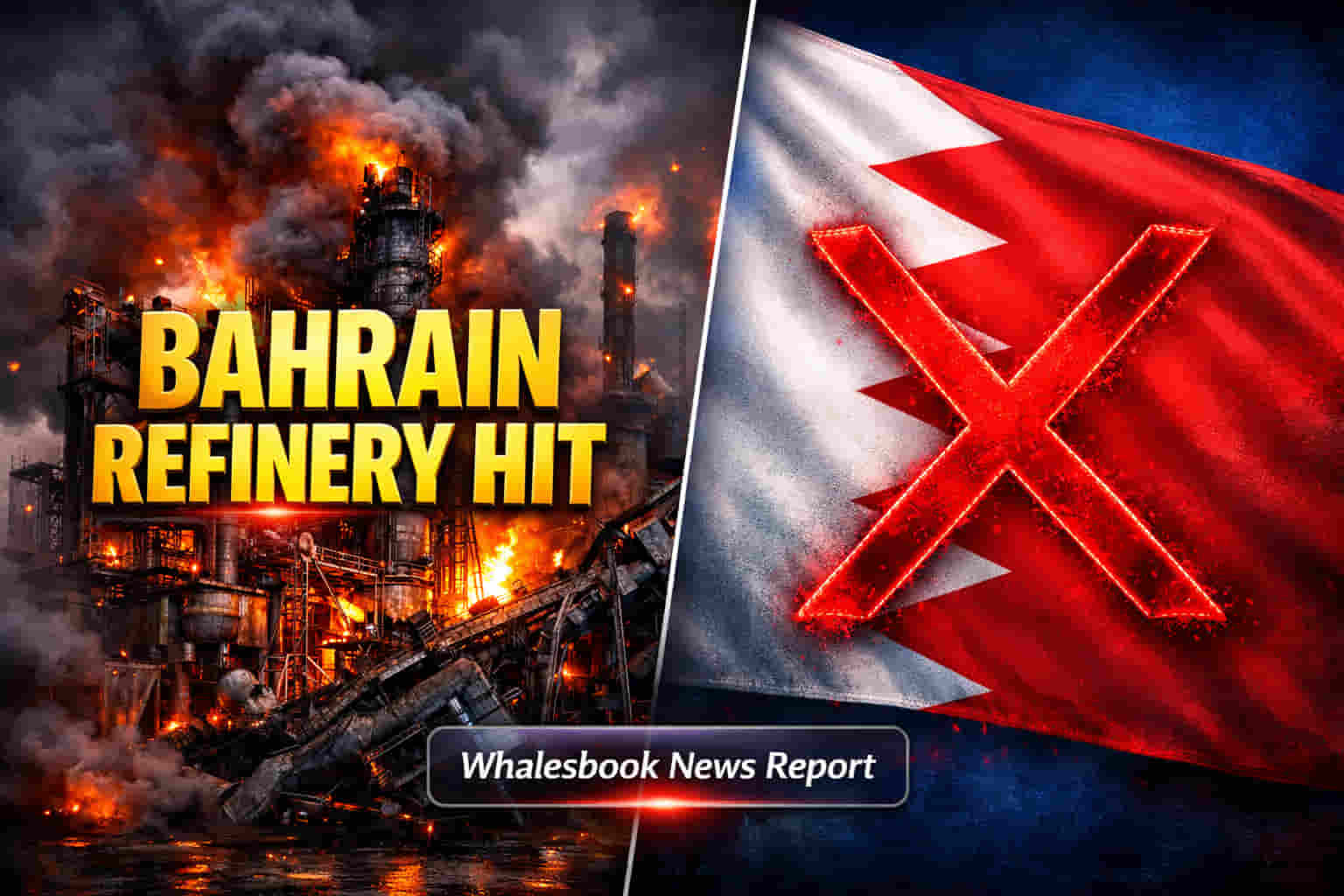


Sitra Refinery Attack Triggers Oil Surge
Bahrain's main oil processing hub, the Sitra refinery, was hit by an Iranian drone attack early Monday morning. The strike caused significant damage and injuries, prompting state-owned Bapco Energies to declare force majeure on its operations. This declaration means the company cannot meet contractual obligations due to unforeseen circumstances, effectively halting shipments. Eyewitnesses and officials reported thick smoke rising from the facility, highlighting the direct impact on Bahrain's only refinery, vital to its energy sector. The immediate market reaction was swift and severe. Brent crude oil futures jumped over 15% on March 9, 2026, trading above $115 a barrel, marking one of the sharpest single-day gains recently. This price surpasses mid-2022 highs, signaling a geopolitical risk premium added to global energy prices. The Sitra facility has a refining capacity of about 265,000 barrels per day and was being upgraded to nearly 400,000 bpd. The disruption highlights how vulnerable even established energy infrastructure is in the volatile Middle East.
Market Recalls Past Crises, Inflation Worries Rise
The current oil price surge recalls past periods of severe geopolitical tension. Prices rapidly climbing past $100 and now exceeding $115 are similar to the Russia-Ukraine conflict in 2022 (prices over $120) and the Arab Spring in 2011 (Brent reached $127). The strategic Strait of Hormuz, through which about 20% of global oil and LNG typically flows, is again driving market worries. Fears that escalating Iran-Israel tensions could close or disrupt the Strait have slowed shipping, with vessels rerouting and insurance costs soaring. This situation is amplified because Bahrain's Sitra refinery, though not directly on the Strait, is part of the region's interconnected energy network. Beyond immediate supply disruptions, analysts warn of broader economic fallout. The International Monetary Fund has warned that Middle East conflicts could push global inflation higher, a concern amid already high consumer prices. Some analyses suggest a sustained 10% oil price increase could raise headline inflation by 0.15% and reduce GDP growth by 0.13%. Governments worldwide are preparing contingency plans. Japan and South Korea, for example, are already taking steps to lessen the impact of soaring energy costs.
Infrastructure Vulnerability and Escalation Risks
While some analysts point to buffers like increased U.S. crude exports and OPEC+ spare capacity as limiting factors, the fragility of Middle East energy infrastructure presents significant risk. Critical assets like ports, tankers, and refineries are exposed to retaliatory attacks, potentially creating a damaging cycle. This attack on Bahrain's only refinery is seen as part of an intensifying regional confrontation, not just an isolated incident. Some commentators have issued 'Code Red' warnings for the global economy as oil prices neared $110, fearing a repeat of past inflationary spirals. The threat of prolonged conflict also weighs on economic growth prospects, potentially complicating central bank policies and worsening unemployment. The situation is complicated by potential wider regional involvement and the unpredictable nature of asymmetric warfare, where unintended consequences could rapidly escalate the crisis. The market's reaction, which includes a significant geopolitical risk premium, indicates the current situation poses the most serious threat to Middle East energy supply in years.
Outlook: Volatility and Global Economic Challenges
The immediate future for oil markets looks highly volatile. While the Bahrain refinery attack has sent prices on an upward trend, the ultimate impact hinges on the conflict's duration and intensity. Analysts disagree on the long-term outlook. Some predict a gradual return to lower prices, pointing to the U.S. as a net oil exporter less vulnerable to supply shocks. Others, however, see the current price surge above $100 as potentially the start of a broader rally if supply constraints continue. The risk of further disruptions to routes like the Strait of Hormuz or direct attacks on other energy facilities remains high. This ongoing uncertainty creates significant challenges for the global economy, threatening to reignite inflation, slow recovery, and pressure policymakers navigating difficult choices between economic growth and price stability. The global market will watch for retaliatory actions and de-escalation efforts, as any shift in geopolitical dynamics is likely to sharply affect energy prices.