

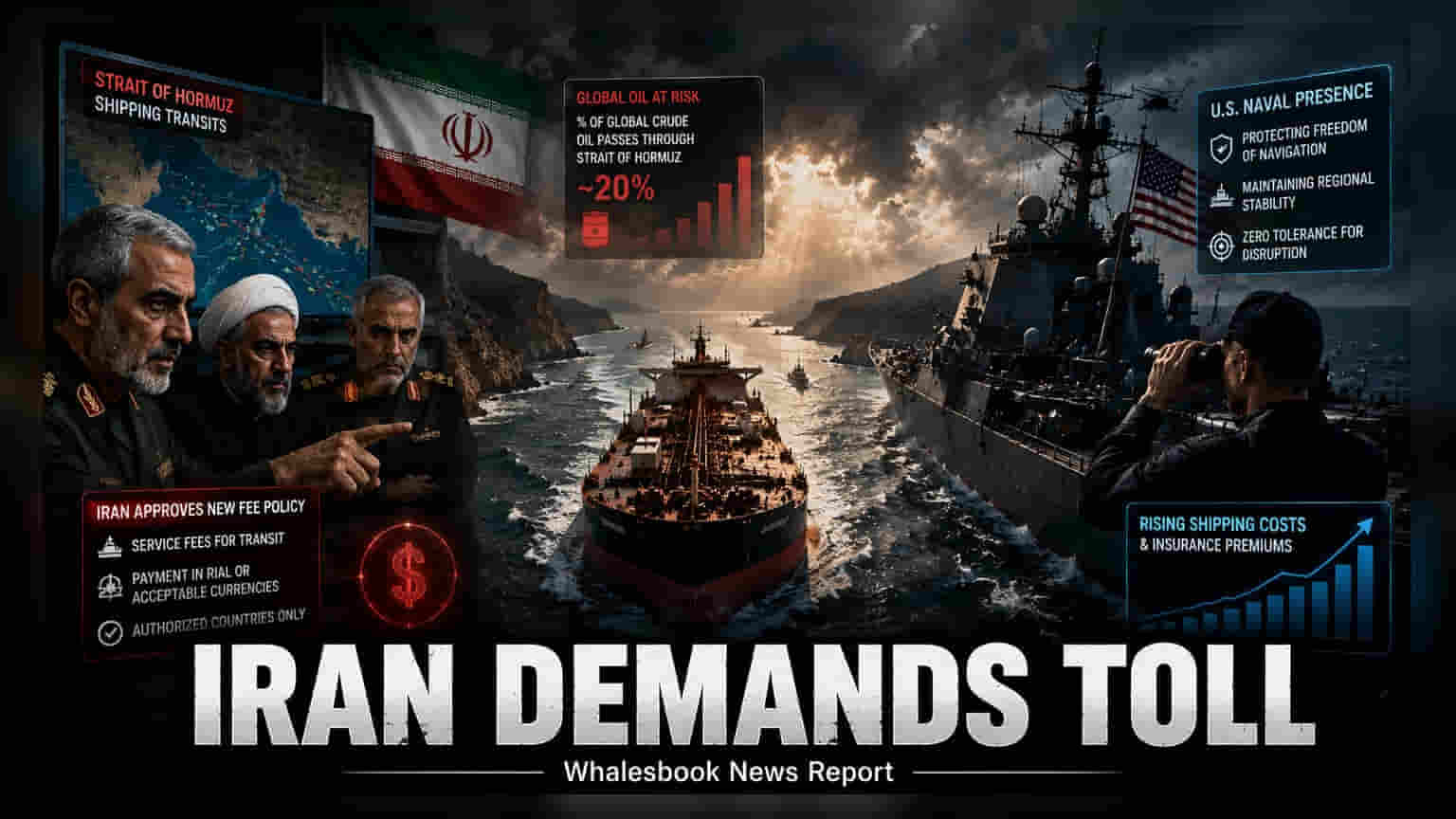
Iran's National Security Commission has cleared a plan to charge service fees to ships passing through the Strait of Hormuz, a critical global oil transit route. This decision escalates tensions as the U.S. and Iran assert conflicting control over the waterway. For investors, this heightens uncertainty regarding global energy supplies, shipping costs, and potential regulatory risks for international vessels navigating the region.
The Iranian National Security and Foreign Policy Commission has approved a new provision, referred to as Article 3 of the 'Strategic Action Plan for Security and Development of the Strait of Hormuz.' This policy authorizes Iran to levy service fees on vessels from 'authorized' countries that transit the waterway. These charges are intended to cover maritime services such as navigation, environmental protection, fuel supplies, insurance, and safety provisions. Payments for these services may be made in Iranian Rials or other currencies acceptable to Tehran.
This move comes during a period of intense geopolitical friction, with Iranian officials stating that the waterway will remain closed until U.S. policies change. Conversely, U.S. President Donald Trump has publicly claimed the Strait of Hormuz as U.S. territory and has maintained a naval presence in the area. This clash of authority creates a complex environment for international shipping and energy markets.
The Strait of Hormuz is one of the world's most critical oil chokepoints, with a significant portion of global crude oil production passing through it daily. Any disruption or increased cost of transit directly impacts global energy prices. For Indian investors, the stability of this region is crucial as it affects the import bill for crude oil. Prolonged tensions can lead to volatility in the share prices of Indian Oil Marketing Companies (OMCs) and companies dependent on energy imports, as fluctuations in global crude prices directly influence their margins and financial performance.
Beyond crude oil prices, shipping companies face significant operational and financial risks. There is a tangible threat of vessel detention or fines by Iranian authorities if ships are deemed non-compliant. At the same time, international shipping lines must navigate the risk of U.S. sanctions if they comply with Iranian fee demands. This creates a difficult compliance environment, potentially leading to higher shipping insurance premiums and increased freight costs, which could eventually feed into broader inflation trends.
Investors may monitor the ongoing developments, particularly regarding how international shipping lines respond to these fee demands and whether the situation escalates into further military or regulatory confrontations. The next key updates will be the official implementation timeline for these fees and the reaction from major global naval powers and shipping associations. The geopolitical nature of this conflict means that market sentiment may remain sensitive to any new statements from Tehran or Washington concerning the status of the waterway.