 Whalesbook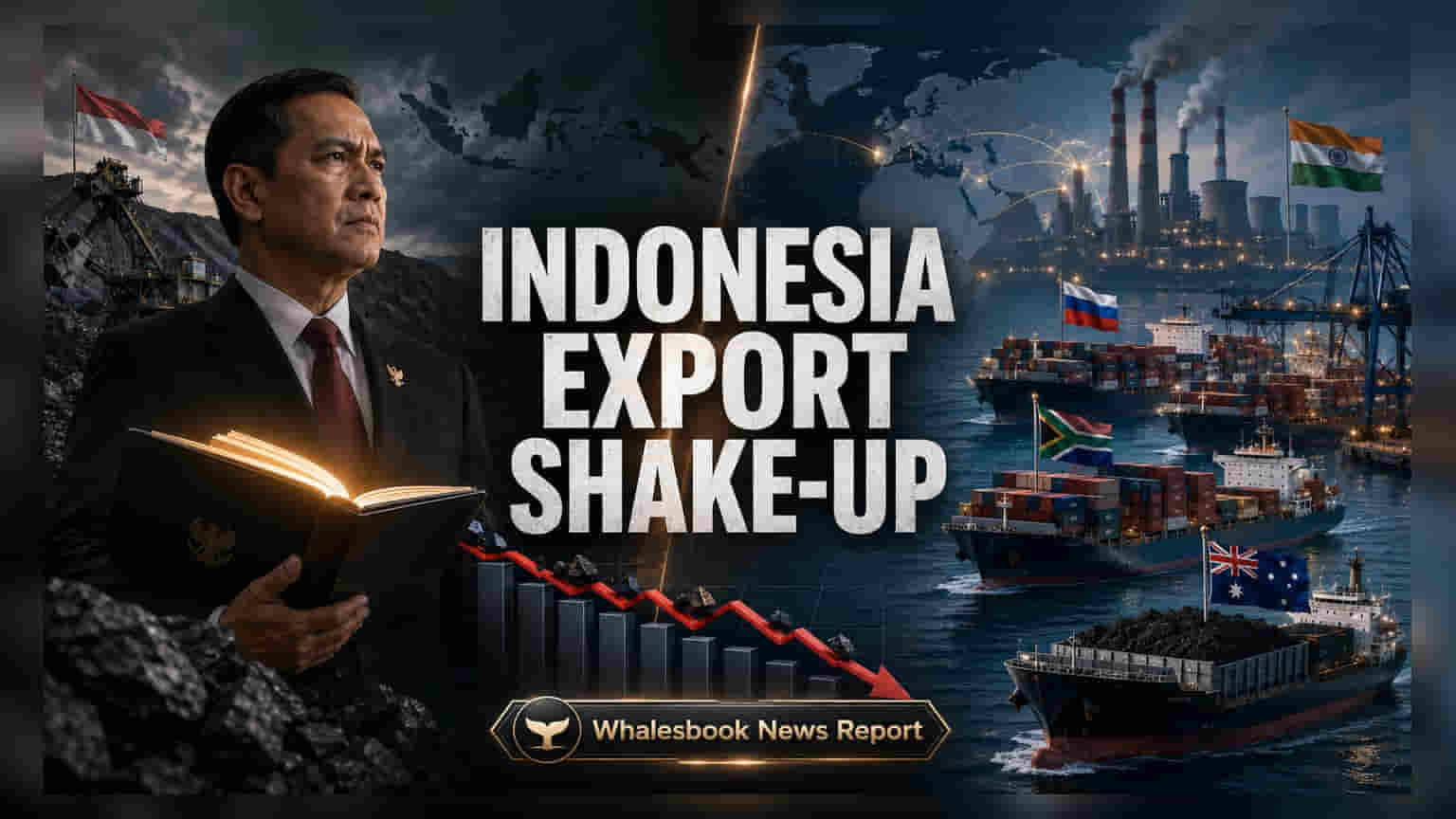


Indonesia is shifting its thermal coal export market from an open framework to a state-monopoly model, aiming to recover revenue lost to under-invoicing and transfer pricing. Starting September 1, 2026, all coal, palm oil, and ferroalloy exports must go through a state-appointed entity under the sovereign wealth fund Danantara. This reform will reshape the global thermal coal market, with Jakarta seeking to boost export earnings and stabilize its currency.
India faces significant exposure to this change. Despite achieving record domestic coal production of over 1 billion tonnes in FY 2025-26, thermal coal remains crucial for its power generation, supplying over 70% of electricity. While India is diversifying its coal sources, including imports from Russia, South Africa, and the U.S., these alternatives can be more expensive or have different qualities than the low-ash coal typically sourced from Indonesia.
Investors and Indian power utilities are concerned about operational disruptions. The new centralized export framework lacks clear details, creating uncertainty for upcoming shipments. Critics believe a single state-run system may struggle with the complex logistics of coal trading, potentially leading to delays, inconsistent shipments, and price spikes. This instability could hinder long-term planning for Indian firms reliant on steady energy supplies to keep power tariffs competitive.
There are significant execution risks associated with this policy. Past resource nationalism efforts have often led to reduced transparency and diminished investor confidence. If Indonesia's state entity cannot match the efficiency of private trading firms, global trade flows could be disrupted, driving up spot prices. India's domestic coal sector also faces inherent volatilities, as seen in recent production dips in some Coal India Ltd subsidiaries. A supply crunch in Indonesia combined with domestic production issues could severely impact India's power sector, especially coastal plants, by rapidly increasing fuel costs and threatening profitability.