

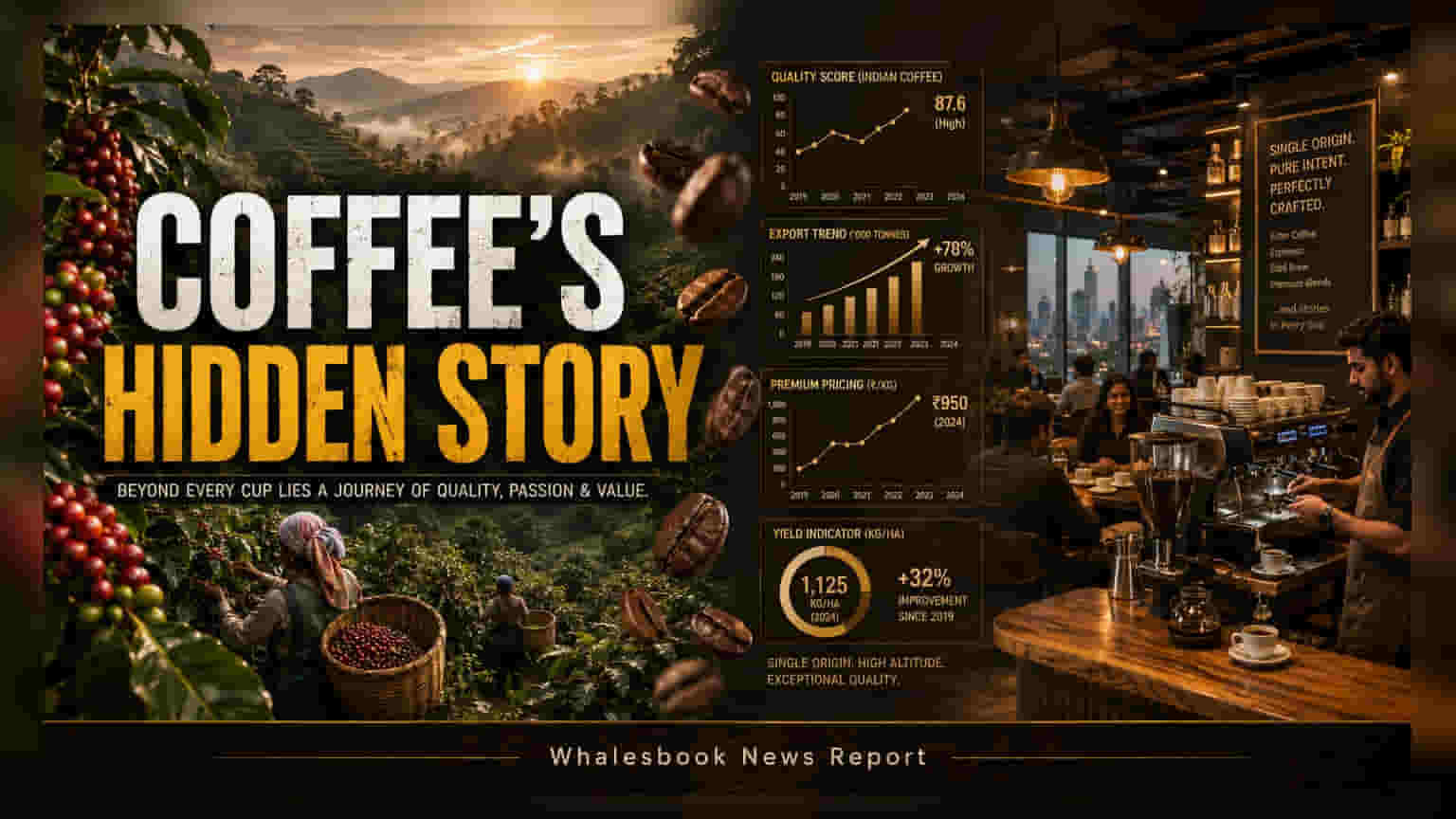
The Indian specialty coffee market is expanding quickly, but consumers often focus on the café experience rather than the agricultural origins of the beans. This knowledge gap regarding factors like altitude, soil, and processing methods may limit the industry's ability to command premium prices. For the market to mature, the focus must shift toward the value chain from farm to cup.
The specialty coffee market in India has seen substantial growth over the last decade. Urban centers are increasingly filled with new cafés, and consumers are showing more interest in various brewing methods and roast profiles. While this shift has moved specialty coffee from a niche interest to a more mainstream activity, the industry is now facing a new challenge: evolving from a simple café culture into a deeper, more sophisticated coffee culture.
The Gap Between Brew and Farm
Although coffee is an agricultural product, the final consumer experience often ignores the complexities of how it was grown. Coffee quality is determined by several factors, including the altitude at which it is cultivated, the specific soil composition, the local climate, and the processing techniques used after harvest. These elements significantly shape the final flavor and character of the drink. However, current conversations in the Indian market often focus on superficial attributes like strength, bitterness, or caffeine content, rather than these agricultural determinants.
This gap stands in contrast to other agricultural products. For instance, consumers of fine wine or high-quality produce like specific mango varieties often understand that the geographical origin and production methods directly impact the taste and value of the product. Applying this same level of scrutiny to coffee could help the industry move toward a more mature model.
Impact on Value and Quality
There is a direct economic link between consumer understanding and market value. When consumers recognize the effort and craftsmanship required to produce high-quality coffee, they are more willing to pay a premium. This willingness to pay higher prices provides an essential incentive for farmers to invest in better quality control, innovative processing, and sustainable cultivation practices. Without this appreciation, farmers may be incentivized to focus on volume rather than the craftsmanship that defines true specialty coffee.
Risks and Future Outlook
For the industry to sustain its growth, the next phase of development will require better education regarding the coffee supply chain. If the market remains focused solely on the retail or café experience, it risks capping its long-term value creation. A market that does not differentiate between average and high-quality beans based on their origin will struggle to support the premium pricing necessary for farmers to thrive.
Looking ahead, the success of the Indian specialty coffee industry will depend on its ability to transparently communicate the farm-to-cup journey. Investors and stakeholders in the sector may track how companies and brands improve traceability and consumer education, as these are the factors likely to drive brand loyalty and pricing power in a maturing market.