 Whalesbook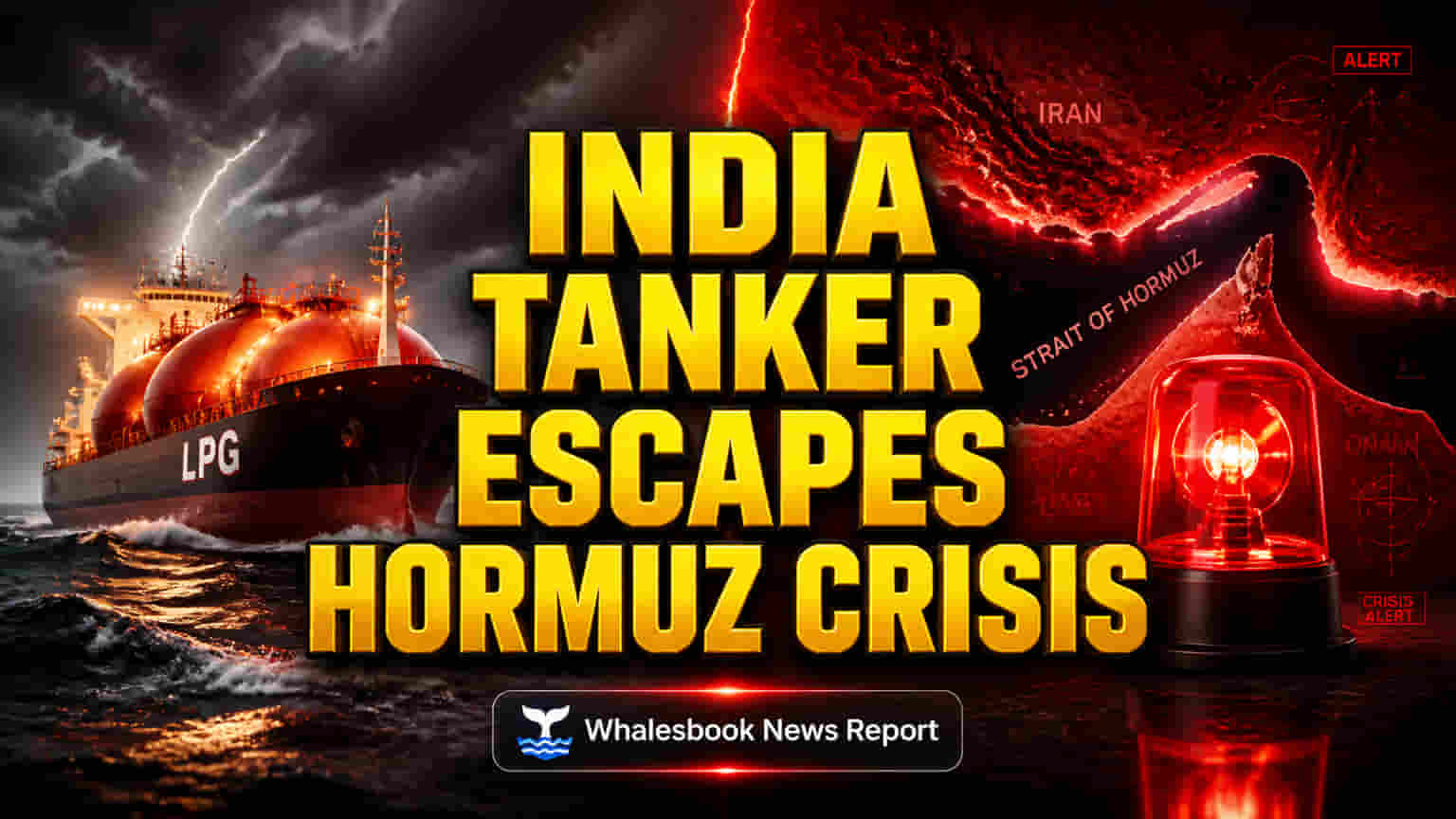


1. THE SEAMLESS LINK
This critical journey underscores the precariousness of India's energy security strategy, forcing it to pursue aggressive, high-risk routes amidst a severely constrained supply environment. The success of this single passage is a fragile indicator for a nation desperate to stabilize its energy markets.
2. THE STRUCTURE (The 'Smart Investor' Analysis)
The Fragile Lifeline: Market Reaction to Hormuz Risk
The Sarv Shakti's attempt to navigate the Strait of Hormuz represents more than just a logistical feat; it is a bellwether for India's energy security and the market's perception of risk. As the Marshall Islands-flagged vessel, carrying approximately 45,000 tons of LPG, moves through the contested waterway, the stock of state-run Indian Oil Corp. (IOC), listed as the cargo buyer, will be under scrutiny. IOC, a behemoth with a market capitalization hovering around $35 billion and a P/E ratio of approximately 18, faces direct implications from such supply chain disruptions. Traders are weighing the potential for further supply disruptions against the company's dominant market share and government support. The strait's volatility directly impacts the cost of imported fuel, a significant factor for IOC's margins and future earnings.
The Analytical Deep Dive: India's Strategic Gamble
India, the world's third-largest oil importer and second-biggest LPG consumer, finds itself in a critical energy crunch, compelling it to take extraordinary measures. The current transit through Hormuz is rare, occurring after a U.S. blockade significantly curtailed traffic. This mirrors China's own immense reliance on Middle Eastern energy routes, though Beijing has been more aggressive in diversifying supply sources through long-term contracts and strategic investments in alternative infrastructure. Historically, periods of heightened tension in the Persian Gulf have correlated with increased volatility in energy prices and a dampening effect on the stock performance of companies like IOC, with similar events in the past leading to short-term dips in sector indices. The broader macroeconomic picture sees global energy prices remaining elevated, straining India's import bill and consumer affordability, a trend that analyst sentiment for the Indian energy sector has reflected with cautious optimism, balancing growth potential against geopolitical headwinds. The government’s efforts, including a 60% surge in domestic LPG production to 54,000 tons daily and a reduction in consumption to 80,000 tons, illustrate the scale of the crisis, yet the reliance on transit routes like Hormuz remains a significant vulnerability.
⚠️ THE FORENSIC BEAR CASE: Structural Weaknesses and Escalating Risks
The Sarv Shakti's journey is fraught with inherent risks, amplifying concerns for India's energy security. Unlike major energy powers that have secured diversified supply routes and substantial strategic reserves, India's dependence on chokepoints like the Strait of Hormuz exposes it to significant geopolitical leverage. The aggressive stance taken by Iran, including the shooting at ships last month, indicates that bilateral negotiations, while potentially securing passage for a limited number of vessels like the eight previously facilitated, do not eliminate the immediate threat of escalation. Competitors such as Japan and South Korea, while also energy importers, have invested heavily in long-term LNG contracts and explored regional energy alliances to mitigate such transit risks, a scale of diversification India is still striving to achieve. Furthermore, the carrier manager, Dubai-based Foresight Group Services Ltd., operates within a complex and often opaque shipping environment, increasing the potential for incidents that could further disrupt critical supply lines. While Indian Oil Corp. benefits from a domestic monopoly, its vulnerability to these external shocks remains a persistent threat, potentially leading to higher operating costs, inventory write-downs, and a negative impact on investor confidence if transits are repeatedly jeopardized.
The Future Outlook
Analysts anticipate that India will continue to prioritize securing its energy supply through a multi-pronged approach, combining diplomatic efforts for safe passage with continued investment in domestic production and exploring alternative import terminals. However, the frequency and reliability of LPG shipments through Hormuz remain a significant wildcard, dependent on the evolving geopolitical situation in the Middle East. Brokerage consensus suggests that while IOC remains a core holding for exposure to India's growing energy demand, its performance will be closely tied to its ability to manage imported supply chain risks and navigate volatile global energy markets.