 Whalesbook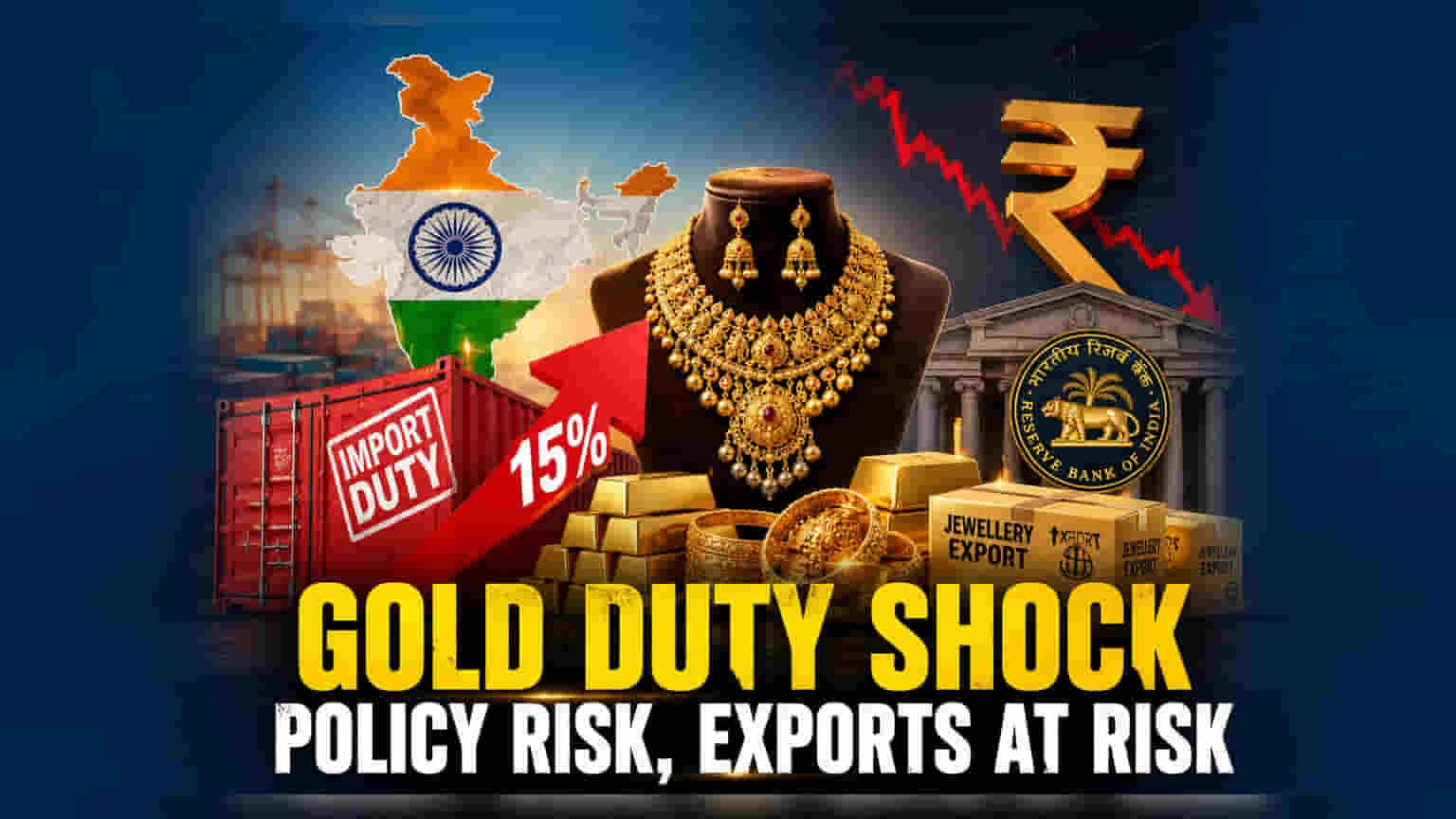


The Misguided Mechanics of Import Suppression
The abrupt escalation of import levies to 15% reflects a reactionary stance toward the persistent depreciation of the Indian Rupee. By viewing gold strictly as a non-productive drain on dollar reserves, policymakers have ignored the nuance of India’s trade mechanics. While the objective is to stem capital outflow during a period of heightened regional energy volatility, the execution overlooks the high price elasticity of the domestic jewelry manufacturing sector. When raw material costs rise so abruptly, the resulting inflationary pressure on finished goods weakens the nation's value-added exports, effectively neutralizing the intended gains in the balance of payments.
Industrial Competitiveness and Global Flows
Unlike individual consumers who may defer purchases, the organized jewelry sector operates on razor-thin margins and relies heavily on steady supply chains. Historical data suggests that past duty adjustments often trigger a temporary surge in informal, grey-market activity. This shift deprives the exchequer of legitimate tax revenue while failing to meaningfully reduce total demand. Furthermore, in contrast to global peers such as Turkey or Italy—which maintain more agile frameworks for precious metal processing—the Indian industry now faces a significant cost-disadvantage. As domestic manufacturers struggle to absorb these elevated costs, global buyers are likely to reallocate their procurement to markets with more favorable raw material access, further entrenching the country’s reliance on raw commodity imports rather than finished goods exports.
The Structural Risk of Policy Fragility
The primary danger in this directive is the assumption that the current account deficit is purely a demand-side issue. By failing to integrate the jewelry industry’s unique role as a net generator of foreign exchange, the government is essentially punishing its own exporters to save on import bills. Investors should closely monitor the quarterly export figures from major hubs like Mumbai and Surat; any meaningful contraction in export volume will signal that the policy is having the opposite of its desired effect. Furthermore, the Reserve Bank of India’s continued intervention to stabilize the rupee suggests that policymakers are running out of traditional levers. If the duty fails to halt the slide in the currency, further regulatory tightening is inevitable, creating a climate of extreme uncertainty for commodity-linked equities and downstream luxury retailers.