 Whalesbook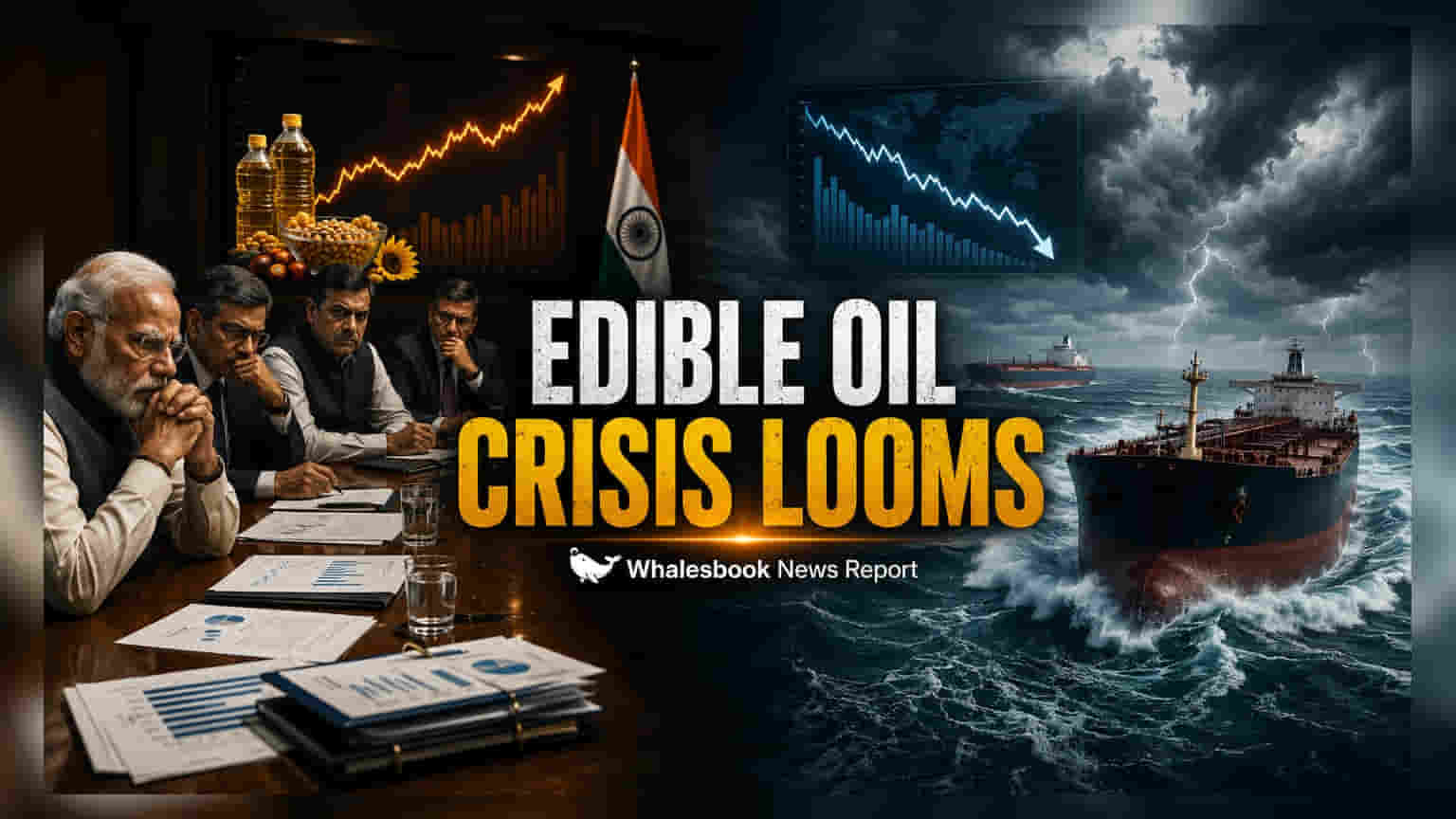


India's heavy reliance on imported edible oils creates a significant risk for its food security and economy. Escalating costs and supply chain issues driven by global events are pushing the nation to boost domestic agriculture.
Boosting Domestic Oilseed Output
SEA President Sanjeev Asthana highlighted that India's nearly 60% reliance on imported edible oils is a major drain on foreign exchange. In the 2024-25 marketing year, the country imported 16 million tonnes of edible oils, costing about Rs 1.61 lakh crore. Asthana is calling for higher domestic oilseed production, targeting 409.98 lakh tonnes for the 2025-26 crop year, alongside modern farming techniques and mindful consumption, to ensure long-term national stability.
Global Factors Worsen Costs
Several global issues are worsening the import situation. The El Niño weather pattern, increased demand from Southeast Asian biodiesel mandates, and ongoing geopolitical tensions in West Asia have all driven up commodity and shipping costs. These pressures, combined with a weaker rupee, have significantly increased the total cost of imported edible oils, straining India's foreign exchange reserves.
Structural Issues and Policy Needs
The SEA has formally asked the government for support, citing increased freight and insurance costs, supply chain uncertainty, currency swings, higher working capital needs, and falling domestic prices. These issues point to deep-rooted structural problems, with India's persistent import dependence being the core concern. Unlike nations with strong agricultural sectors, India is highly vulnerable to external shocks, like the current West Asia crisis. The substantial foreign exchange outflow for edible oils, over Rs 1.61 lakh crore in one marketing year, presents a clear economic risk. Even with projected increases in domestic oilseed production, it won't meet total demand, meaning India will continue importing and face global price volatility.
Path to Self-Sufficiency
SEA is actively working with government ministries to gain policy support for stabilizing the sector and achieving greater self-sufficiency. Proposals include export incentives for oilmeals and working capital assistance for domestic companies. The success of these efforts will depend on consistent policy implementation and the industry's ability to significantly boost domestic oilseed production and processing capacity.