

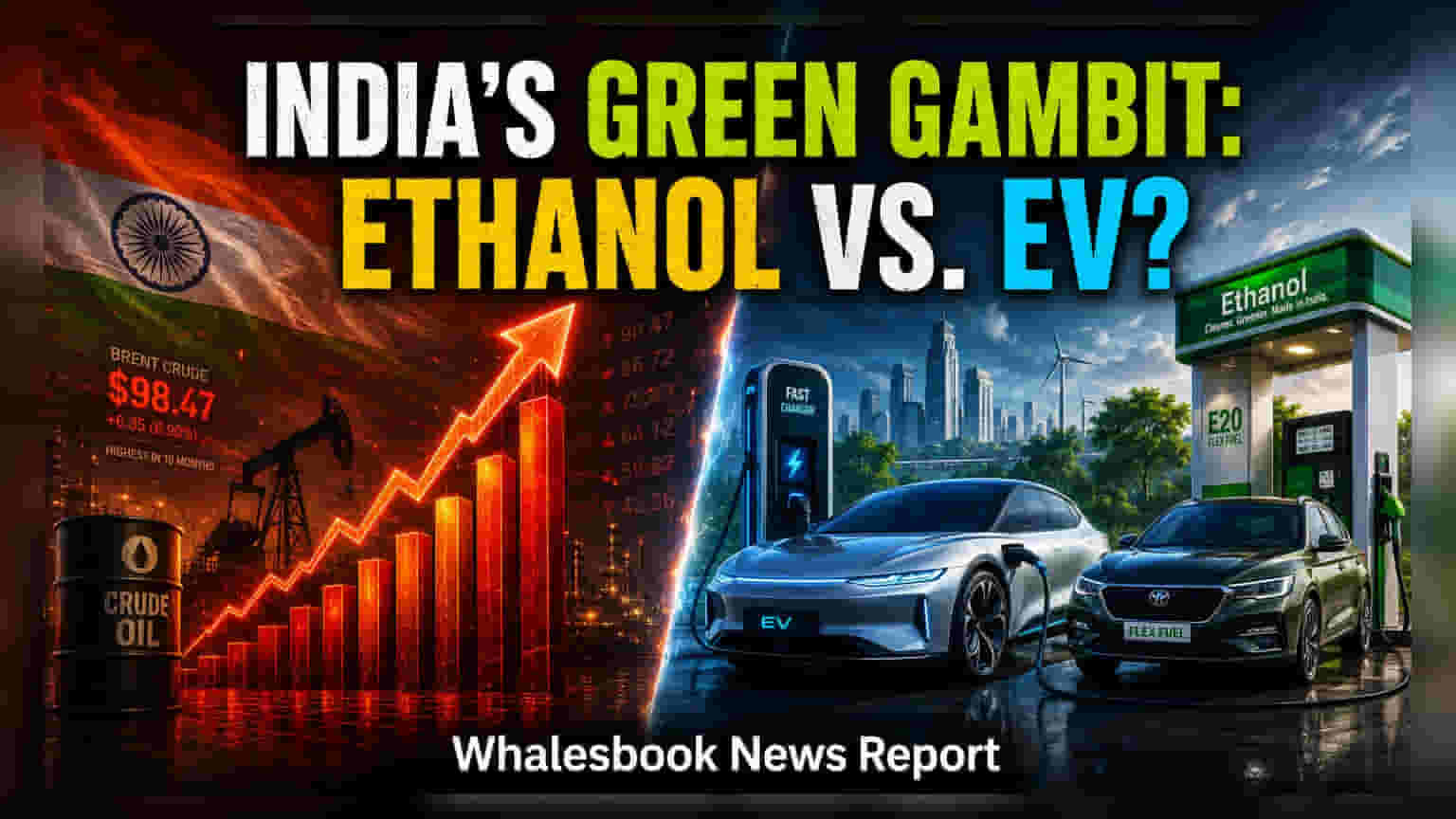
The Indian Federation of Green Energy (IFGE) suggests that India’s transition to cleaner transport requires a mix of technologies, specifically combining ethanol with electric vehicles (EVs). This multi-pronged approach aims to address the current fuel needs of the existing vehicle fleet while working toward long-term carbon reduction. For investors, this emphasizes that the energy transition will likely support a wider range of industrial players beyond just EV manufacturers.
The Indian Federation of Green Energy (IFGE) has clarified that the country’s path to cleaner transportation is not a choice between electric vehicles (EVs) and biofuels, but rather a need for both. By advocating for a mix of ethanol, EVs, hybrids, and hydrogen, the organization suggests that a diversified strategy is the only practical way to manage the country’s vast transportation sector while reducing a heavy reliance on imported crude oil.
The Ethanol Trade-off
Ethanol has become a central part of India’s energy strategy, specifically with the nationwide E20 petrol program that reached full deployment by April 2025. This program mixes 20% ethanol with petrol. While this helps lower the import bill, it comes with a technical trade-off. Research from the Automotive Research Association of India (ARAI), Indian Oil, and the Society of Indian Automobile Manufacturers (SIAM) indicates that E20 fuel can lead to a 2-6% drop in fuel efficiency compared to E10. However, the industry body notes that this has not led to widespread engine damage, and newer vehicles are increasingly built with materials designed to handle higher ethanol blends.
Investor Implications in Auto and Energy
For investors, the IFGE’s stance provides important context on how the auto and energy sectors might evolve. The message is that auto manufacturers developing flex-fuel vehicles—which can run on varying blends of ethanol and petrol—are just as critical to the energy transition as those focusing exclusively on EVs.
Companies in the sugar and distillery sectors, which produce ethanol, and auto component makers, which supply parts for flex-fuel engines, remain essential parts of this ecosystem. Investors may need to differentiate between companies heavily reliant on the pure EV transition and those positioning themselves as diversified players in the broader green energy shift. A 'one-size-fits-all' approach to auto investing may overlook the value in these hybrid and bio-fuel pathways.
Sector Risks and Funding Realities
The move toward cleaner energy is not without significant financial and operational hurdles. A major concern for the sector is the capital-intensive nature of this transition. Building the infrastructure to support second-generation ethanol production, massive EV charging networks, and hydrogen projects requires billions in funding. This creates a reliance on the stability of debt markets and government incentives to remain profitable. Additionally, until these alternative energy sources reach a significant scale, India remains vulnerable to geopolitical shocks and the price volatility of global crude oil imports. Investors should monitor how effectively companies can manage this heavy capital spending while maintaining healthy profit margins, as any delay in infrastructure rollout or change in policy support could pressure financial performance.