

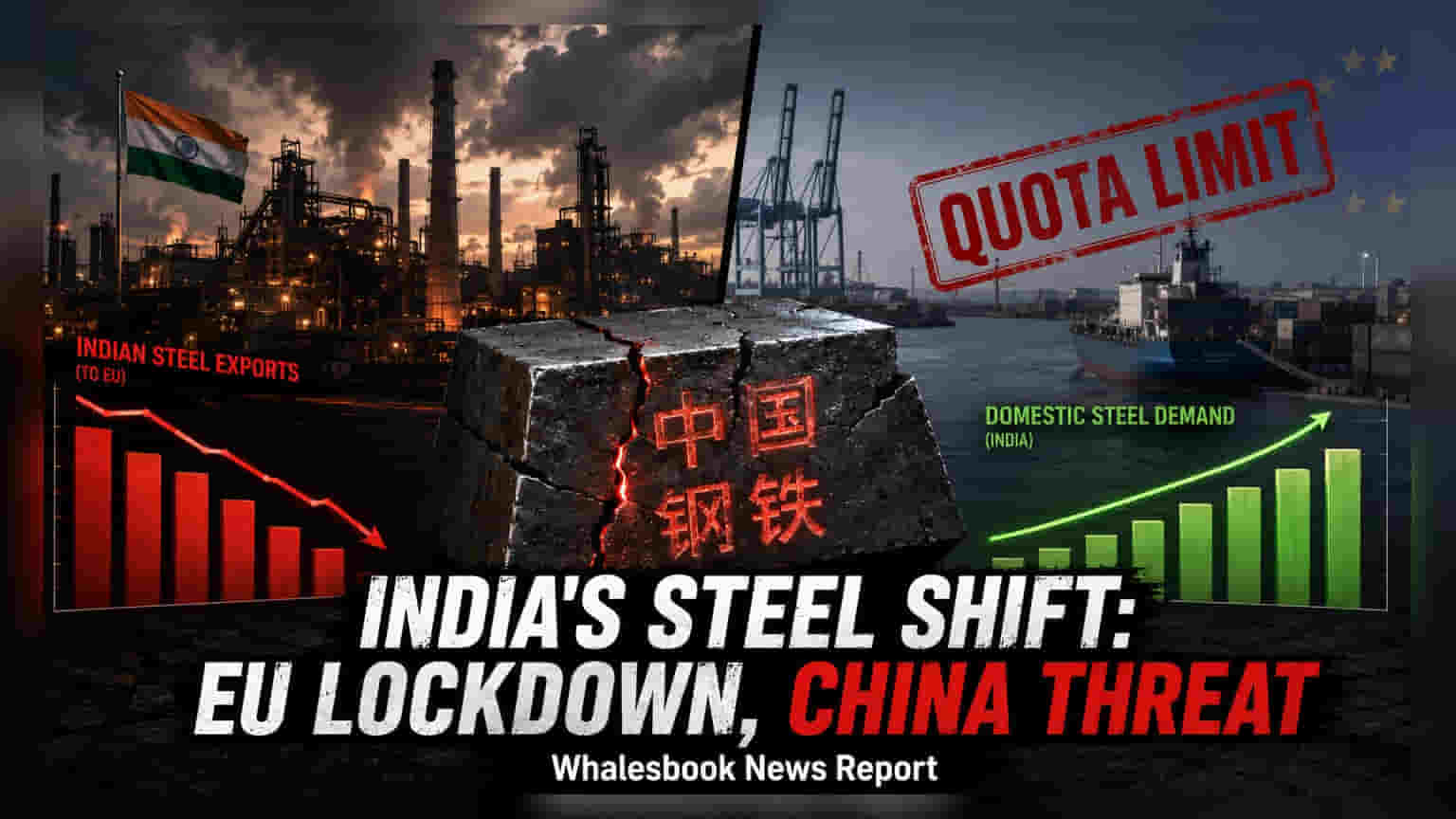
Indian steel producers are shifting focus to the domestic market as exports to Europe and Britain drop by 40%. While infrastructure spending fuels local demand, cheap imports from China are creating pricing pressure for manufacturers. Investors should monitor how government trade policies and domestic consumption influence company profit margins.
Detailed Coverage
Indian steel producers are navigating a challenging global environment as stricter import rules and carbon charges in Europe and Britain significantly restrict export volumes. With a projected 40% decline in shipments to these key regions this fiscal year, companies are increasingly relying on the domestic Indian market to maintain sales volume.
Domestic Pricing Under Pressure
The pivot toward the local market comes at a time when Indian steel mills are competing with a surge of low-priced steel imports, particularly from China. Market data indicates a price difference of $52 to $63 per ton, making it difficult for domestic manufacturers to maintain margins while competing with these incoming supplies. This disparity has prompted the Indian government to initiate anti-dumping investigations concerning hot-rolled steel imports from China, Japan, and Russia. Companies such as Jindal Stainless have highlighted concerns regarding the impact of these imports on the competitive environment, noting the challenge of maintaining profitability when low-cost alternatives are readily available.
Capacity Expansion and Infrastructure Growth
Despite the immediate pressure from imports, major producers including Tata Steel and JSW Steel continue to prioritize expansion projects within India. This strategy is driven by expectations of long-term demand supported by the country's infrastructure development and broad economic growth. Official targets reflect an ambitious path, with India aiming to increase crude steel capacity to 400 million tons by the 2035-36 fiscal year. Over the past five years, domestic steel consumption has consistently outpaced production, suggesting a structural need for continued output growth.
Investor Monitorables
While infrastructure-led demand provides a supporting factor, the path to profitability remains tied to the regulatory environment. Rating agencies, including Moody's, have indicated that profit margins in the sector may struggle to see significant improvement unless there is a material shift in import duties or a narrowing of the current pricing gap with international producers. For investors, the most critical factors to track in upcoming quarters include the progress of the government’s anti-dumping investigations, potential changes to import tariff structures, and the pace at which companies can commission new domestic capacity without compromising their balance sheets.