

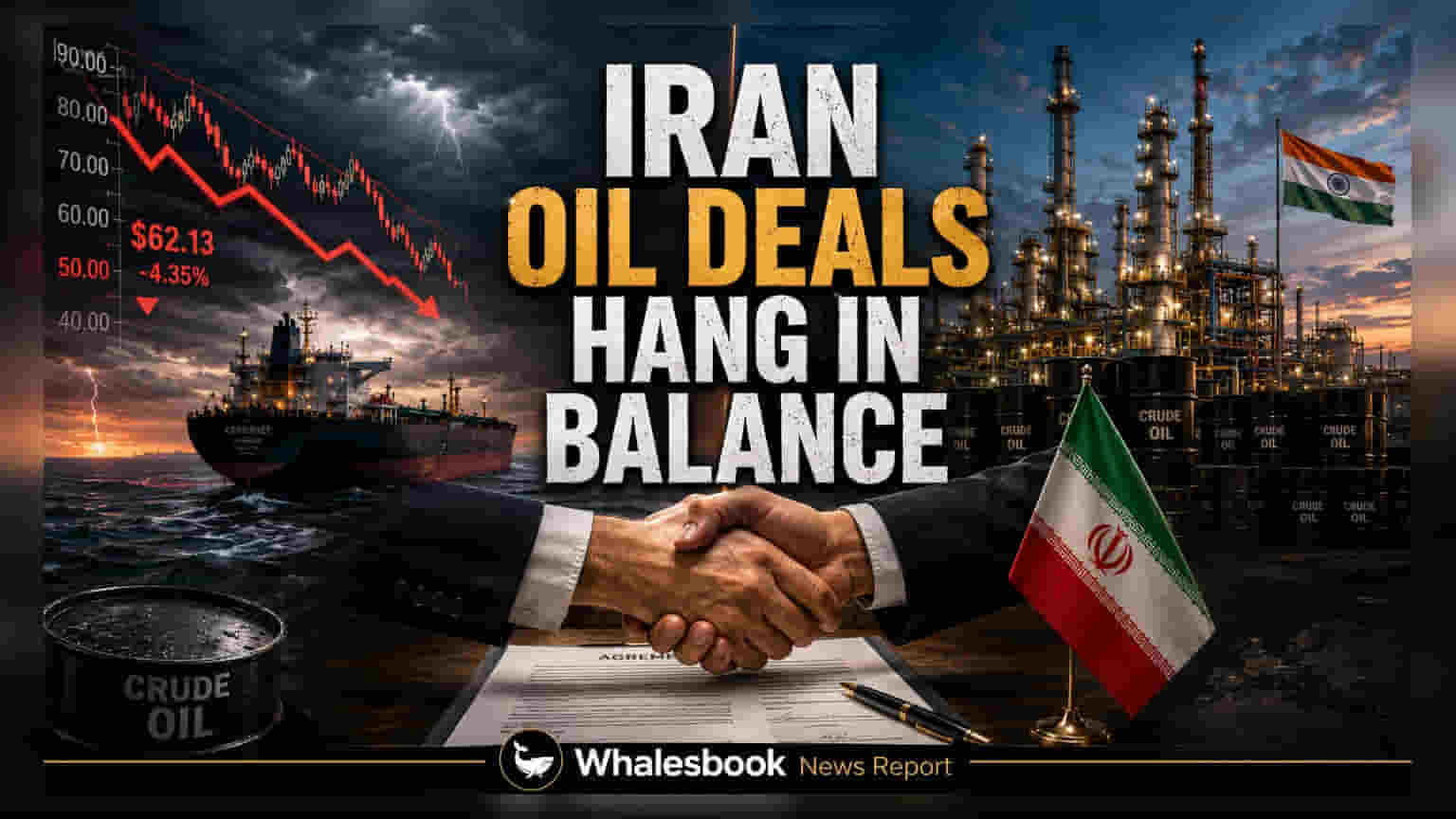
Indian state-owned oil companies are discussing potential crude imports from Iran, provided US sanctions are eased. While refiners are evaluating the deal, the current availability of deep discounts on Russian and Middle Eastern crude makes Iranian oil less attractive for now.
Indian state-run oil refiners are currently in discussions with traders to evaluate the possibility of resuming imports of Iranian crude oil. These potential purchases are strictly dependent on the United States extending or modifying its sanctions regime, which currently limits trade with Iran. The current sanctions framework is set to remain a key hurdle for any immediate procurement activity.
Even if regulatory conditions change, the near-term appetite for Iranian supplies remains tempered by existing inventory commitments. Indian oil companies have already finalized their supply requirements through August, having booked volumes earlier to mitigate risks related to geopolitical instability in the Middle East. Consequently, any potential entry into the Iranian market is viewed by industry experts as a strategic move to secure future options rather than an immediate change in supply sources.
The Role of Global Price Competition
The viability of importing Iranian oil is heavily linked to the discounts offered. Iran has reportedly proposed a discount of $4 to $5 per barrel below Brent crude prices. However, the global market has seen a sharp drop in prices for other crude grades, which has made the Iranian offer less competitive. For instance, Saudi Arabia recently implemented its most significant reduction in official selling prices in decades, increasing pressure on other producers to match these levels.
Furthermore, Russian oil continues to play a dominant role in India's import mix. Russian Urals are currently being traded at discounts of approximately $6 per barrel, providing a more attractive value proposition for Indian refiners compared to the Iranian offer. This competitive landscape is a significant factor, as Indian buyers prioritize cost-efficiency to manage refinery margins in a fluctuating global commodity market.
Impact on India’s Import Mix
The surge in Russian oil imports has fundamentally altered India's sourcing strategy. In June 2026, imports from Russia reached a record 2.7 million barrels per day, with similar volumes expected throughout July. Historically, Iran was a major contributor to India's energy needs, supplying roughly 10% of the country's crude requirements as recently as 2018. The return of Iranian oil would require not only a change in US policy but also a realignment of the pricing dynamics that currently favor Russian and other regional supplies.
The key monitorable for investors and market participants will be the US government's stance on sanctions waivers after the August 21 deadline. Additionally, any shifts in the pricing of Russian crude, which remains the primary benchmark for competitive imports into India, will dictate whether refiners ultimately diversify their sourcing back toward Iran.