 Whalesbook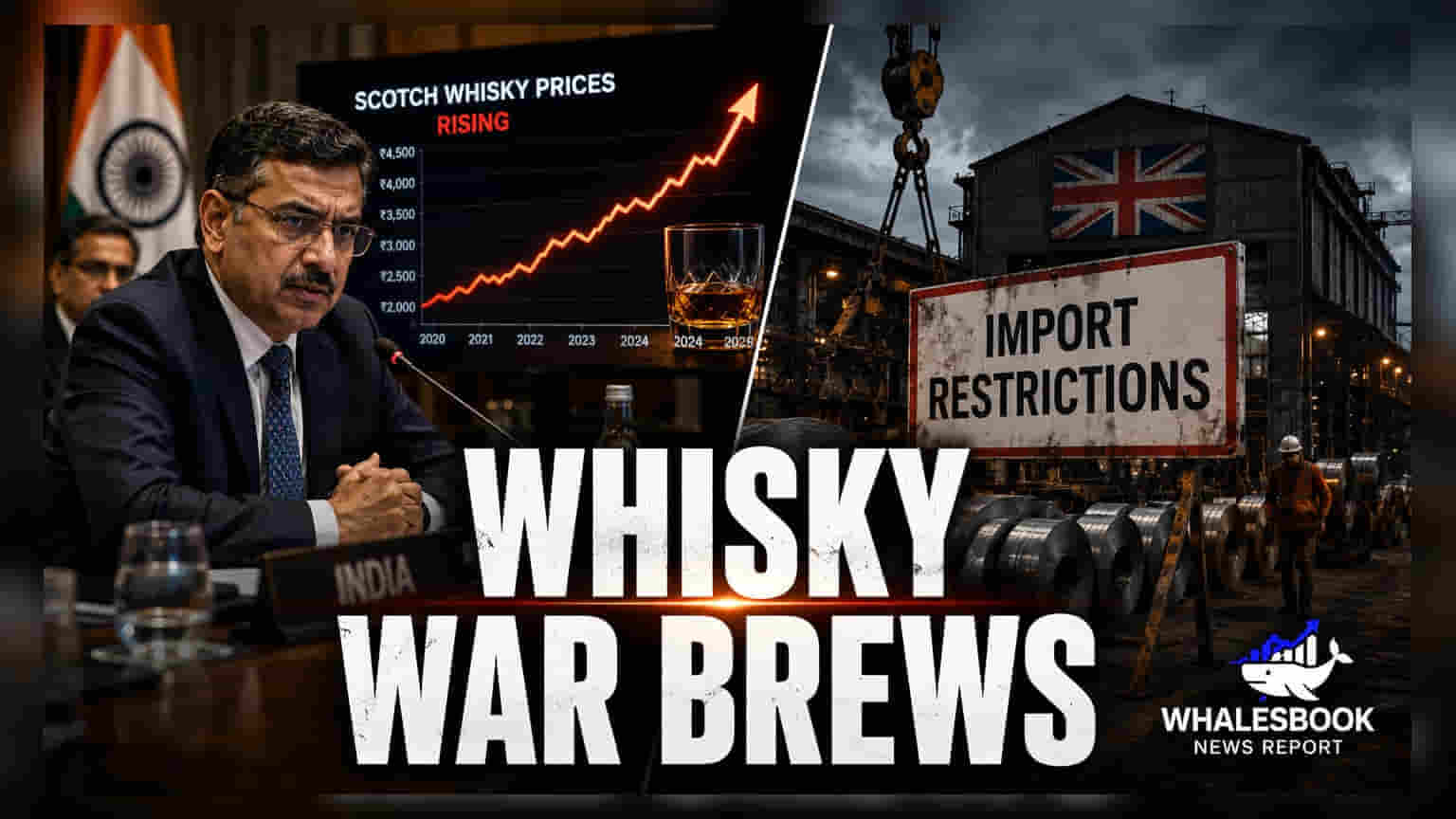


The Trade Deadlock
The anticipated rollout of the India-UK Comprehensive Economic and Trade Agreement (CETA), signed in July 2025, remains in jeopardy as trade friction intensifies. New Delhi has linked its willingness to honor promised tariff reductions on British spirits to a resolution of British steel import restrictions. At the core of the impasse are Britain’s new safeguard measures, which are set to take effect on July 1, 2026. These rules will restrict tariff-free steel imports by slashing existing quotas by 60%, with any volumes exceeding these thresholds subject to a 50% penalty tariff. India, which exported approximately $893.4 million worth of iron and steel products to the UK during the 2025-26 fiscal year, views these protections as a significant non-tariff barrier that undermines the spirit of the bilateral agreement.
Whisky Markets in the Crosshairs
For decades, Scotch whisky has faced a 150% import tariff in India, a market that has become the largest global destination for Scotch by volume. Under CETA, India had committed to a phased reduction of these duties to 40% over a decade—a change expected to bolster the market share of major players including Diageo and Pernod Ricard. However, the potential re-evaluation of these concessions threatens the margins of global distillers who rely on India’s burgeoning middle class and rapid premiumization trends to drive future growth. While companies like Diageo and Pernod Ricard have aggressively expanded their local operations, including the use of Scotch malts in domestically produced blends, the sudden threat of returning to higher tariff barriers adds a layer of pricing volatility that could stifle the projected £1 billion export growth forecasted by the Scotch Whisky Association.
The Carbon Hurdle
Adding to the structural complexity is the UK’s planned implementation of a Carbon Border Adjustment Mechanism (CBAM) in 2027. This mechanism, designed to mirror similar policies in the European Union, will target carbon-intensive imports such as steel, aluminum, fertilizers, and cement. Think tanks estimate that Indian exports worth $775 million could face direct impacts from this tax. The intersection of these environmental policies with existing steel quotas creates a two-front trade challenge for Indian manufacturers, who are increasingly vocal about the protectionist nature of these British initiatives.
The Risk of Retaliation
The current standoff reflects a hardening stance within New Delhi, which has joined a coalition of nations—including Brazil, Japan, and South Korea—in challenging British trade remedies at the World Trade Organization. Investors should note that for spirits giants like Pernod Ricard, the situation is particularly acute; the company is already battling separate, high-stakes regulatory investigations in India involving tax disputes and antitrust allegations. Should the trade deal fail to stabilize, the combination of regulatory scrutiny and renewed tariff barriers could significantly hamper the long-term volume growth that these firms have built their valuation models upon.