

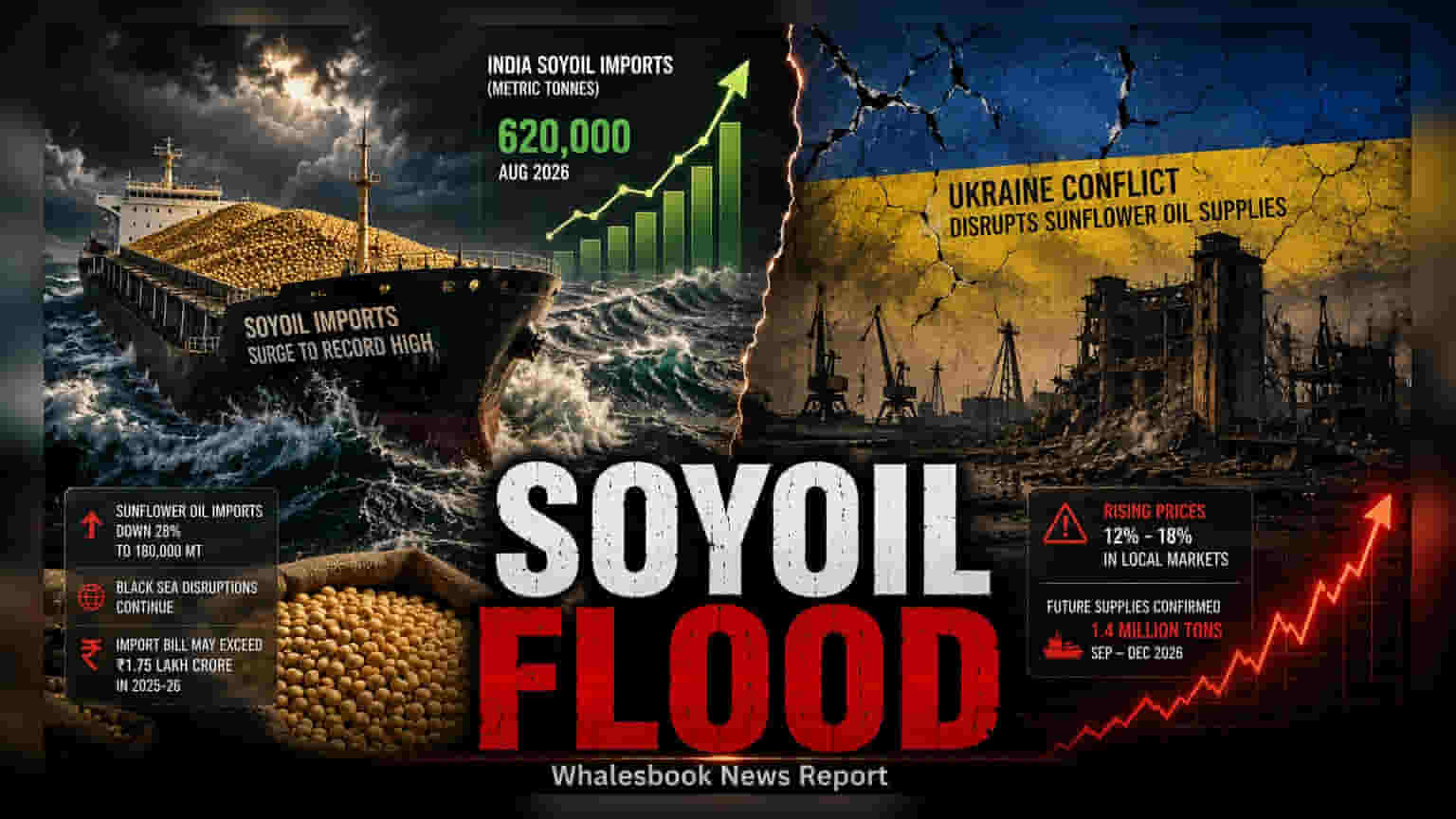
India is projected to import a record 620,000 metric tons of soyoil in August, filling the gap left by falling sunflower oil shipments due to the Russia-Ukraine conflict. This transition highlights a broader shift in edible oil logistics. For investors and industry observers, the move reflects rising import bills and supply chain dependencies as companies prepare for the upcoming festival season.
India is projected to import a record 620,000 metric tons of soyoil in August, as the country scrambles to secure supplies amidst persistent disruptions in the Black Sea region. The conflict between Russia and Ukraine has significantly hindered the movement of sunflower oil, a staple in many Indian households, forcing importers and refiners to pivot toward soybean oil to meet rising demand. Market data indicates that sunflower oil imports are expected to fall to 180,000 metric tons this month, a 28% decline from the previous month, as shipment delays extend for up to 60 days.
This shift in sourcing strategy is being driven by both necessity and relative pricing. As global supply chains face bottlenecks, the price difference between soyoil and palm oil has narrowed, making soyoil a more attractive alternative for price-sensitive buyers in India. However, this reliance on increased imports comes at a time when the broader edible oil sector is feeling the heat of rising costs. With prices for various edible oils already climbing by 12% to 18% in the local market, the pressure on the national import bill is mounting. Estimates suggest that the total import bill for the 2025-26 oil year could surpass ₹1.75 lakh crore, a significant figure that highlights the country’s high dependency on foreign vegetable oil.
For businesses operating in this space, the environment remains complex. Edible oil refiners and processors are grappling with several challenges, including working capital stress caused by higher financing costs and the need to stock up inventory ahead of the critical Indian festival season. The sector is also sensitive to policy volatility, where frequent government adjustments to import duties can alter profitability overnight. Beyond geopolitical issues, companies are keeping a close watch on weather patterns like El Niño, which could hurt domestic oilseed production and force the country to rely even more heavily on imports.
Investors tracking the edible oil industry may focus on how these companies manage their inventory and margin pressures. The ability to navigate global supply chain disruptions while maintaining stable margins during a period of price volatility will be a key performance indicator. The industry is already securing future supplies, with nearly 1.4 million tons confirmed for shipment between September and December, signaling that firms are prioritizing volume to avoid shortages. Going forward, the most important monitors for the sector will be government policy changes regarding import levies, global raw material price trends, and the strength of consumer demand during the festival months.