 Whalesbook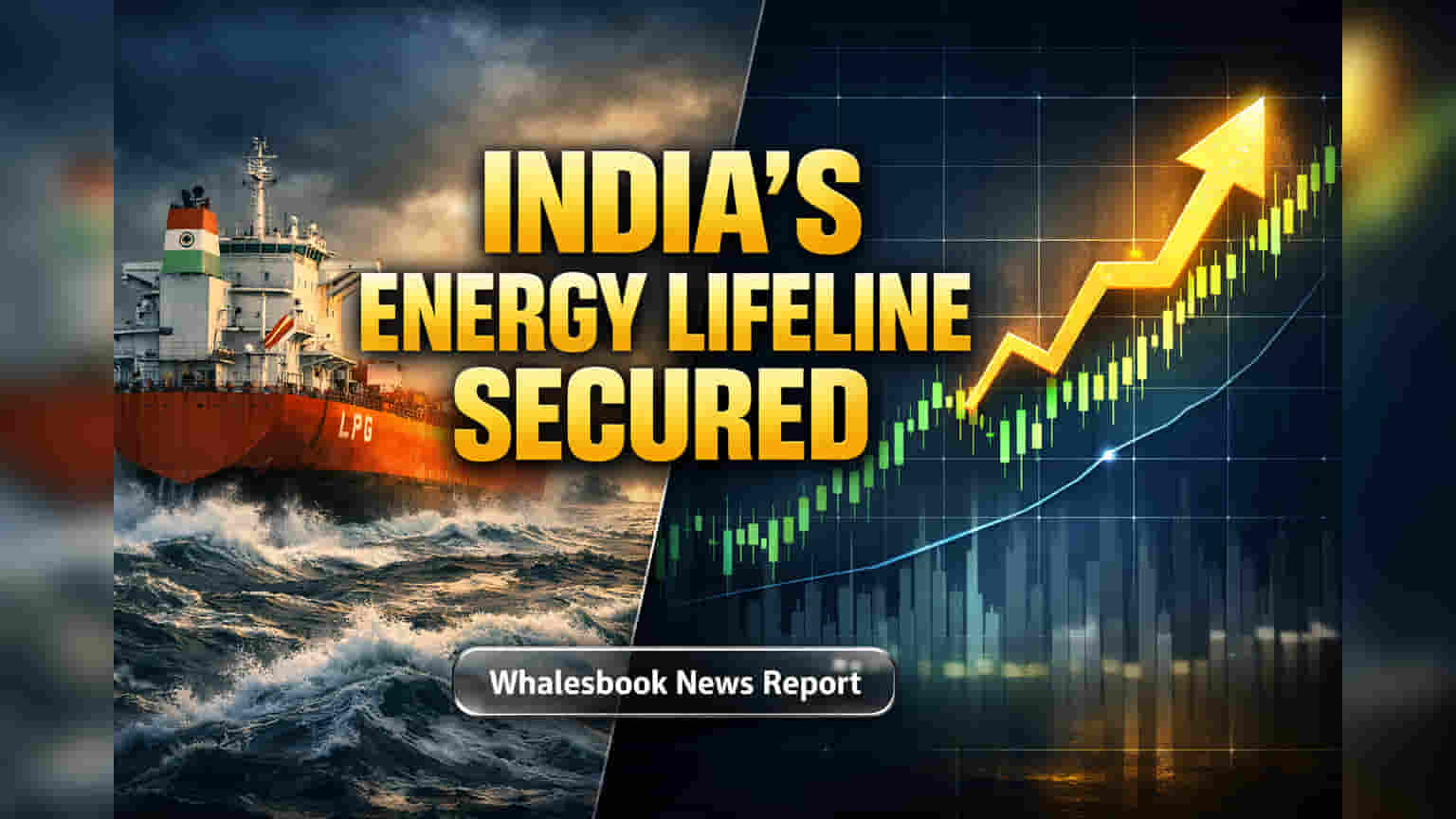
Key LPG Shipment Arrives
The vessel MT Jag Vasant delivered 47,000 metric tonnes of liquefied petroleum gas (LPG) to India's Vadinar Terminal. This successful delivery is a key achievement for India's energy import strategy, especially considering the current maritime environment. The terminal's infrastructure and capacity for handling large fuel volumes were demonstrated, along with the use of a ship-to-ship transfer for efficient logistics. While specific market prices for LPG on this day are not available, the secure arrival of this significant volume is positive for India's energy balance and helps ease immediate supply pressures.
Navigating Gulf Tensions
India relies heavily on energy imports, requiring a careful approach to maritime security. The Strait of Hormuz, a key transit point for global oil and gas, has recently seen escalations in West Asia. This has heightened concerns, leading New Delhi to stress adherence to international law and safe passage. The Ministries of Ports, Shipping and Waterways, and External Affairs have reassured the public about the safety of approximately 20 Indian-flagged ships and 540 seafarers currently operating in the Persian Gulf. The Indian Navy's support for this operation highlights national security preparedness in a sensitive region, turning a routine delivery into a demonstration of readiness against perceived risks.
Economic Repercussions and Risks
Historically, disruptions in the Persian Gulf region have caused sharp price increases for crude oil and LPG, significantly impacting India's trade deficit and inflation. Despite this successful delivery, significant risks remain for India's energy supply. The country's deep reliance on imported energy, especially from West Asia, creates an inherent vulnerability. Increased tensions, errors in judgment, or attacks on shipping could quickly disrupt supply chains, potentially causing price surges and threatening national energy security.
Long-Term Stability Outlook
Unlike countries that produce their own energy, India must constantly navigate external dangers. While naval escorts offer a degree of protection, they cannot guarantee safety against all threats. Relying heavily on key transit points like the Strait of Hormuz, rather than diverse supply routes, poses an ongoing challenge for long-term energy stability. Authorities continue to monitor regional developments closely. Analysts note that while current supply is safe, India needs to invest in domestic production, alternative energy, and varied import routes for long-term energy independence and economic stability in a changing global energy market.