

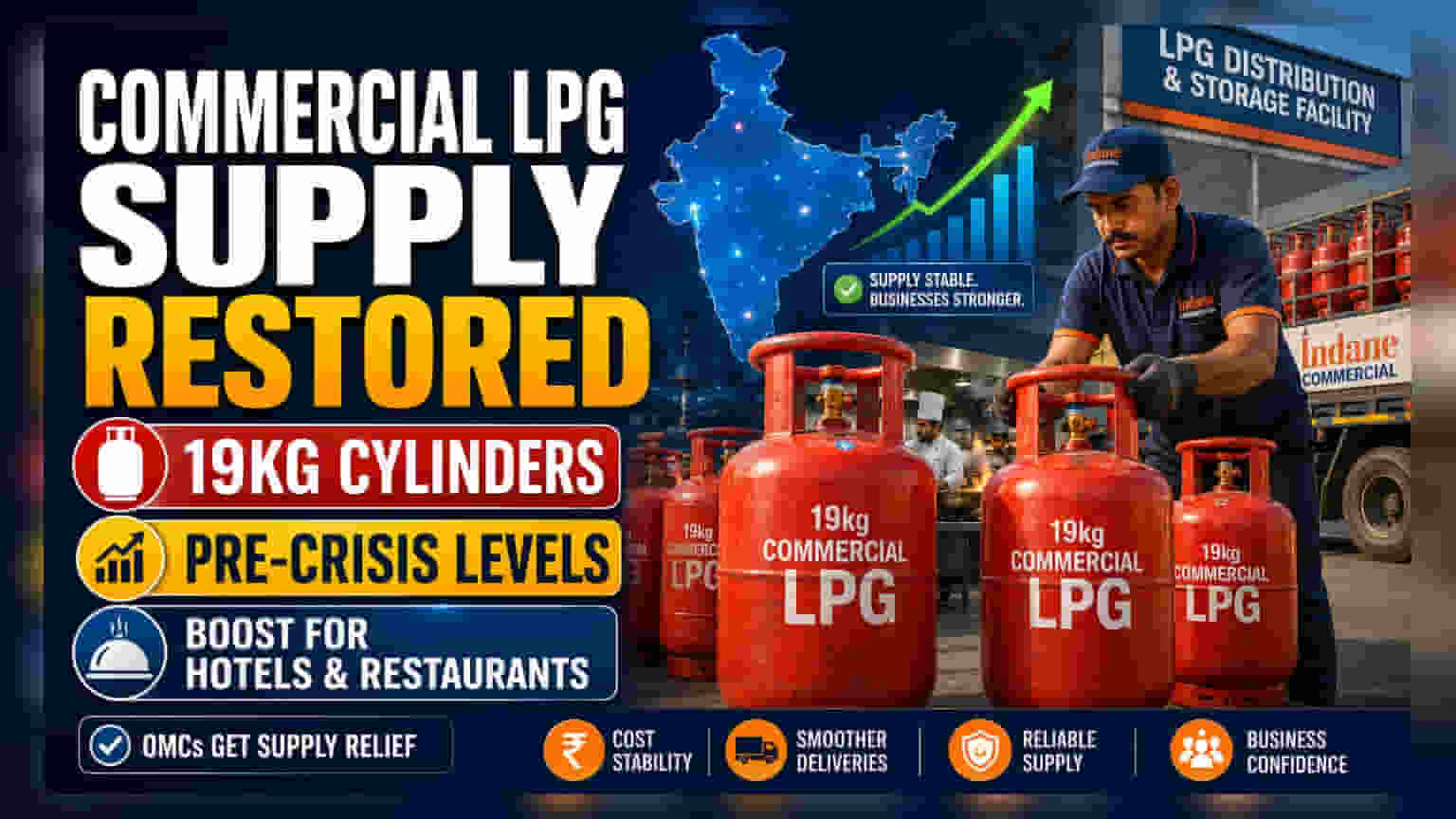
India has normalized non-domestic packed LPG supplies, easing access for commercial users like restaurants and industries. This move signals stability in the national energy supply chain and reduces operational uncertainty for businesses that rely on consistent fuel availability.
What Happened
The Indian government has restored non-domestic packed Liquefied Petroleum Gas (LPG) supplies to pre-crisis levels. This decision follows an improvement in the overall national energy supply situation, allowing for the normalization of distribution patterns for 19kg commercial cylinders. These cylinders are primarily used by businesses such as restaurants, hotels, hospitals, and various small-scale industries for their heating and operational needs.
Why This Matters For Business
For commercial users, consistent energy supply is critical for daily operations. In the past, supply constraints created bottlenecks for sectors like hospitality and catering, potentially affecting their ability to serve customers or manage operating costs. With the normalization of supplies, these businesses can plan their operations with more certainty, avoiding the unpredictability associated with fuel shortages. This is a positive development for the services sector, which has been trying to manage rising input costs effectively.
Impact On Oil Marketing Companies
The primary distributors of LPG in India are state-owned Oil Marketing Companies (OMCs) such as Indian Oil Corporation (IOCL), Bharat Petroleum Corporation (BPCL), and Hindustan Petroleum Corporation (HPCL). These companies manage the supply chain from import and refining to final delivery. When supplies are constrained, OMCs often face pressure in managing logistics and customer demand. The return to pre-crisis supply levels helps these companies streamline their distribution networks and likely reduces the operational pressure that comes with managing shortages and customer complaints.
The Bigger Energy Context
While supply availability has been restored, the energy sector remains sensitive to global price fluctuations. The cost of importing LPG and raw materials can impact the financial health of OMCs. Investors often track global crude oil and liquefied natural gas prices, as these directly influence the purchase costs for Indian marketers. Even with steady supplies, any significant volatility in international energy prices can lead to margin pressure if companies are unable to pass on costs or adjust pricing effectively.
What Investors Should Track
The key monitorable for investors is the stability of these supply chains going forward. While the current situation has eased, any future disruptions in global logistics or import pricing could impact operational efficiency. Investors should monitor quarterly financial updates from OMCs to see how product margins for non-domestic LPG evolve in response to these supply improvements. Additionally, any policy changes regarding commercial fuel pricing or subsidy adjustments for specific industrial categories will remain important factors for long-term business performance.