 Whalesbook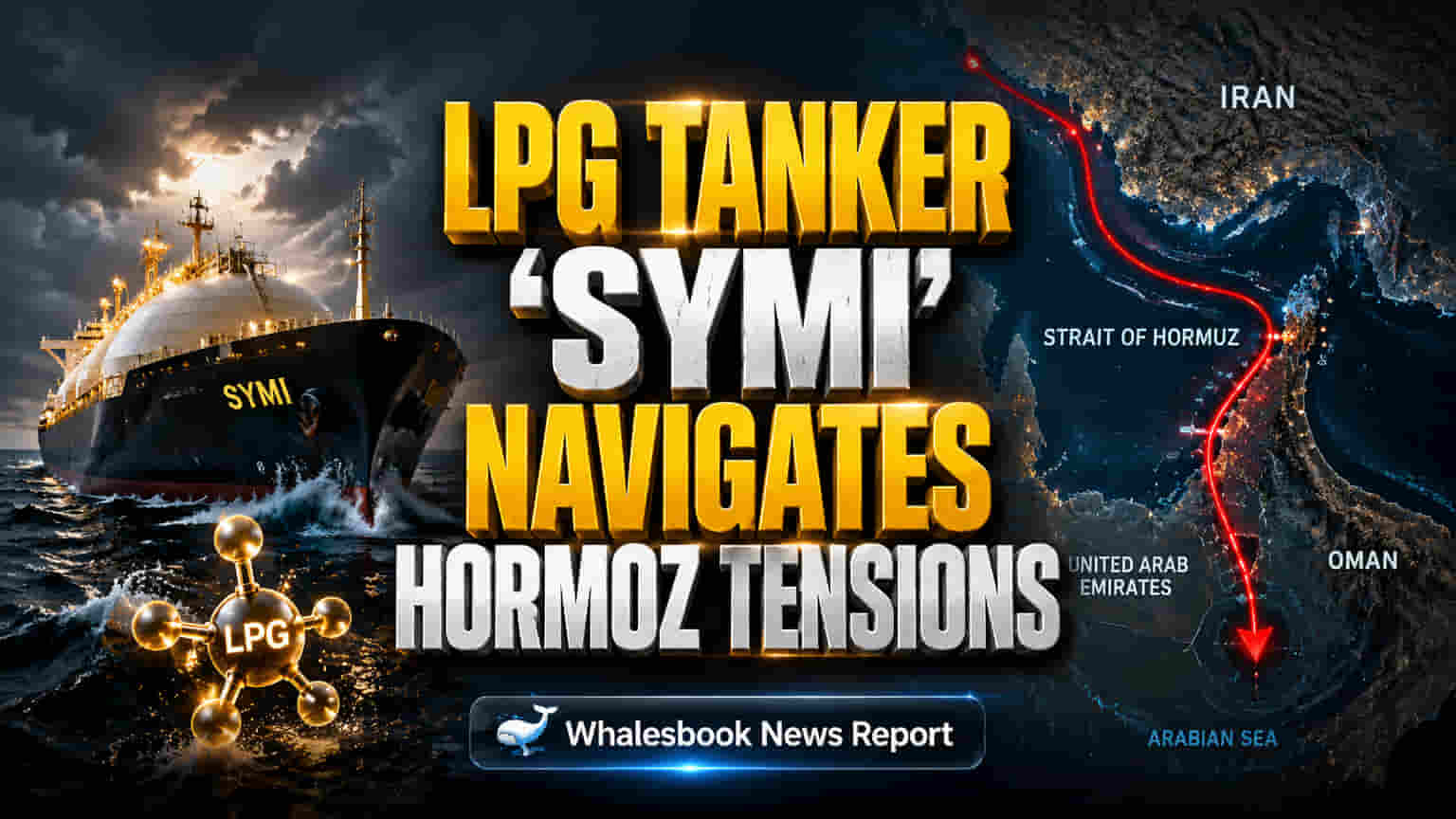


India Receives Crucial LPG Shipment
The Marshall Islands-flagged tanker Symi recently arrived at India's Kandla Port carrying 20,000 tonnes of LPG. This delivery underscores the ongoing efforts to secure vital energy supply chains and navigate complex geopolitical landscapes.
Navigating the Strait of Hormuz
The tanker's journey through the Strait of Hormuz, a critical global energy chokepoint, highlights India's significant reliance on maritime routes for its energy imports. This narrow waterway is responsible for transiting roughly one-fifth of the world's oil and a substantial share of LNG.
Iran's Assurance of Safe Passage
Iran's Foreign Minister, Seyyed Abbas Araghchi, reiterated Tehran's commitment to protecting commercial safety in the Strait, stating it is Iran's "historical duty as protector of security in Hormuz." These assurances are vital for India, which imports approximately 60% of its LPG, with about 90% of these imports typically passing through this vital passage. This recent transit occurred despite heightened regional tensions, following diplomatic engagement between Iran and India's External Affairs Minister S. Jaishankar.
India's Energy Dependence
India's energy security is closely tied to the stability of maritime trade. The nation imports around 85-90% of its crude oil and a large portion of its LPG and LNG from the Persian Gulf region. Even with diversification efforts, nearly 40% of India's crude oil and a significant share of its LPG and LNG imports still rely on the Strait of Hormuz. The Symi's safe passage is one of many LPG ships bound for India that have recently transited the Persian Gulf. Iran's role in ensuring safe passage is particularly important during periods of conflict.
Risks of Disruption
Despite assurances, the vulnerability of India's energy supply chain remains a significant concern. Reliance on the Strait of Hormuz presents a persistent geopolitical risk. Any escalation in regional conflicts could quickly disrupt supplies, impacting not only oil and LPG prices but also significantly increasing shipping insurance premiums and freight costs, potentially by hundreds of percentage points. Past incidents include Iran restricting passage and boarding vessels. Iran's strategic actions mean its role in the Strait is complex. The fragility of diplomatic situations, coupled with ongoing geopolitical maneuvers, means the risk of this vital chokepoint being weaponized is a tangible threat with potential global economic consequences. The market is sensitive to Hormuz disruptions, with perceived risks often adding a premium to energy prices.
Future Energy Trade Prospects
Looking ahead, Iran's Foreign Minister has stated Iran is ready to supply energy directly to India if there is willingness, potentially opening new bilateral trade avenues outside volatile transit routes. Market analysts also anticipate continued growth in the global LPG tanker market, projected to exceed $296 billion by 2032, driven by evolving trade patterns and demand. This growth underscores the sustained importance of secure maritime transit for global energy markets.