 Whalesbook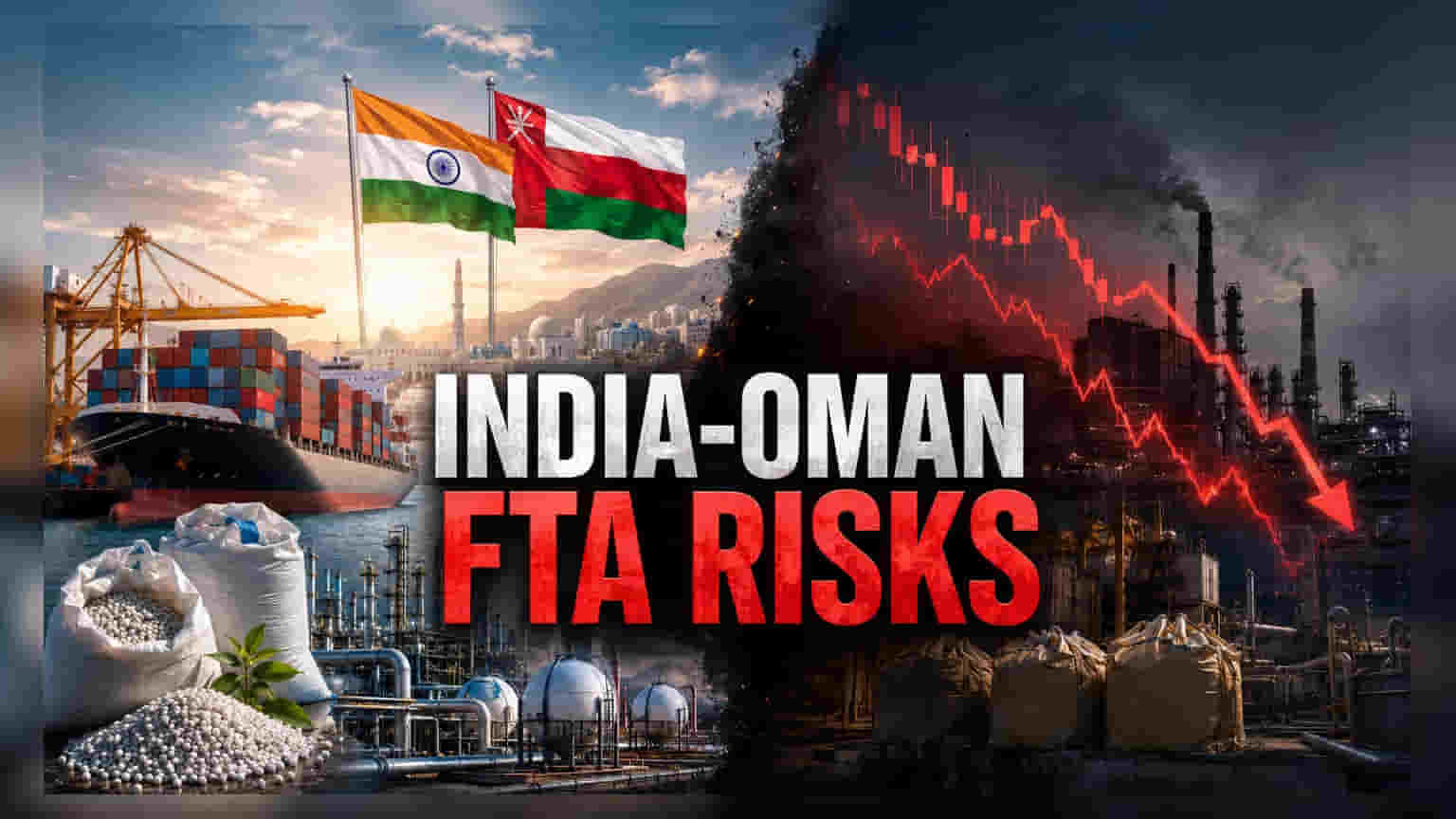


The Supply Chain Strategic Pivot
Beyond the headline tariff reductions, the agreement represents a tactical realignment of India’s import dependencies. By formalizing an increased supply of fertilizers and petrochemicals from Oman, New Delhi is attempting to insulate its agricultural and industrial sectors from the volatility currently plaguing West Asian logistics. This arrangement specifically leverages the Oman India Fertiliser Company (OMIFCO) infrastructure, signaling a move to prioritize bilateral supply security over open-market procurement. For Indian fertilizer producers, this creates a double-edged sword: while raw material stability is welcome, the influx of duty-free finished goods may compress margins for domestic manufacturers already grappling with high natural gas input costs.
The Competitive Valuation Gap
When evaluating the sector impact, market participants must distinguish between downstream processors and pure-play manufacturers. Large Indian fertilizer entities often rely on government subsidies to maintain profitability, a model that faces scrutiny when import costs drop significantly via preferential trade agreements. Unlike competitors in other jurisdictions that benefit from vertical integration into low-cost upstream gas assets, many Indian firms remain vulnerable to global price fluctuations. Historical data indicates that when India enters major trade pacts involving commodities, the short-term benefit often accrues to industrial consumers at the expense of local producer pricing power, leading to potential volatility in stock valuations for companies like IFFCO and KRIBHCO-linked entities.
Structural Weaknesses and Geopolitical Risks
While the agreement provides a framework for growth, it also imports regional risk. The reliance on Omani-sourced petrochemicals is predicated on the stability of transit corridors that are increasingly sensitive to regional military posturing. Furthermore, the expedited approval process for pharmaceuticals introduced by the pact raises questions regarding long-term domestic pricing power. If cheaper or faster-approved imports saturate the market, domestic drug manufacturers may face significant price discovery issues. Investors should remain skeptical of the projected margin expansion for domestic producers until the full extent of the import substitution effect is realized.
Future Outlook and Regulatory Oversight
The long-term success of this FTA hinges on the implementation of the fast-track pharmaceutical approval process and the capacity of Oman to maintain consistent output during periods of peak demand. Market analysts remain cautious, awaiting data on the actual volume of diverted fertilizer shipments from OMIFCO to India. As regulatory bodies begin to process these tariff changes, domestic firms with high debt-to-equity ratios may face downward pressure if they cannot compete with the incoming stream of duty-advantaged imports.