
India's Energy Strategy
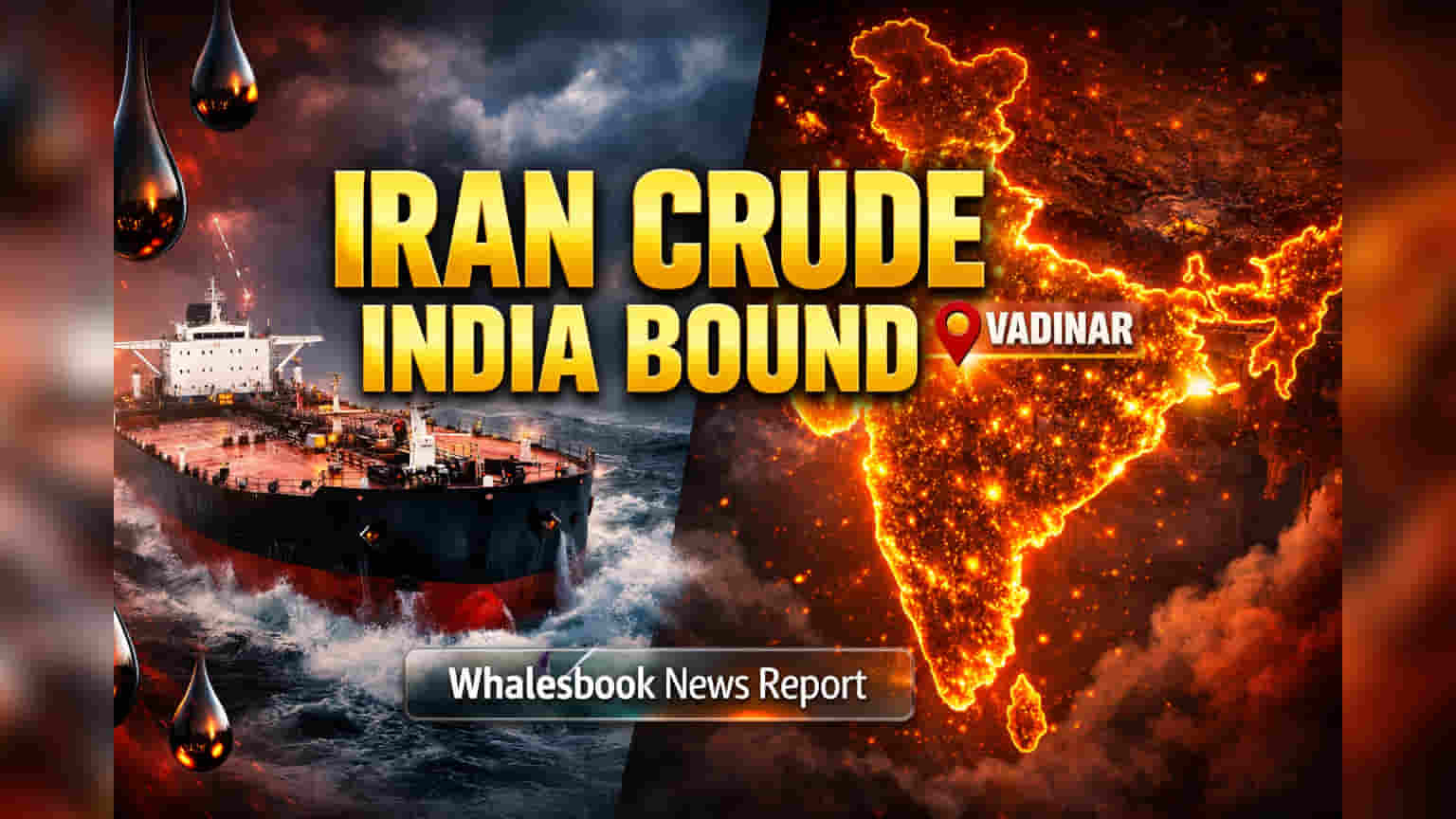
The tanker Ping Shun heading to India's Vadinar port signals a potential return to Iranian crude oil imports. This move is part of India's wider plans to secure its energy needs, especially amid rising global tensions and volatile oil prices. It forces a rethink of how to get oil from sanctioned countries.
Waiver Allows Cargo Delivery
The Eswatini-flagged tanker Ping Shun is carrying about 600,000 barrels of Iranian crude loaded near March 4. It's expected at India's Vadinar port around April 4. This trip is allowed by a temporary US Treasury license, effective until April 19. It permits transactions for Iranian crude already on ships as of March 20. This waiver, meant to boost global oil supplies and lower high prices during conflicts, gives India a chance to access this oil. However, the license is short-term and has specific rules, showing it's a temporary measure, not a policy change. Brent crude is currently around $106.73 per barrel, reacting to supply issues.
Payment Hurdles Remain
A major obstacle for regular Indo-Iranian oil trade is the complicated payment system. Iran and its banks are cut off from the SWIFT international messaging system, making financial deals difficult. Old payment methods using Euros have largely stopped working. This makes it hard for Indian refiners to pay for Iranian crude, even with the current US waiver. Without a clear, steady way to pay, consistent imports are uncertain.
India's Quest for Diverse Oil Sources
India relies heavily on imports, buying about 88% of its daily crude oil needs (around 5.5-5.6 million barrels). Much of this oil historically passes through the Strait of Hormuz. With disruptions in West Asia, India has been finding oil from more places. This includes buying more Russian crude (37% of imports in 2024) and increasing volumes from Iraq, Africa, and Latin America. While the Ping Shun's arrival is noteworthy, it's just one piece of India's broader strategy. Meanwhile, China still buys over 90% of Iran's oil exports, mainly through its smaller refineries.
Past Deals and Current Pricing
India was a major buyer of Iranian crude until 2019, when US sanctions forced it to stop. Iran used to offer good deals, like cheaper shipping and longer payment terms. Iranian crude typically sold at a good discount compared to global prices, which was a big draw for buyers like China. However, as global supply has tightened due to recent conflicts, these discounts have shrunk. Iran is now asking prices closer to Brent crude, around $106.73 per barrel. This means any resumed imports might not offer the same price advantage as before.
Ongoing Challenges for Refiners
Despite the US waiver, significant practical problems remain. The main issue is the payment method, which leaves buyers open to transaction risks. Also, China's large share of Iranian oil purchases suggests limited room for new buyers right now. Indian refiners such as Indian Oil Corporation (IOC) and Bharat Petroleum (BPCL) trade at lower price-to-earnings (P/E) ratios (around 5.3-6.4x). This suggests investors see them as stable, profitable businesses rather than high-growth companies, indicating caution about potential disruptions. Reliance Industries, with a higher P/E ratio of 21-23x, is valued as a large, diverse company. The smaller discount on Iranian crude and the temporary nature of the waiver mean less immediate profit potential for Indian refiners compared to when they ramped up discounted Russian oil purchases.
Looking Ahead
The Ping Shun's journey is a direct response to a temporary policy change in a shifting global energy market. India's long-term focus on energy security will continue to involve getting oil from different regions, maintaining stockpiles, and exploring all affordable sourcing options. Overcoming payment difficulties will be crucial for any lasting trade with Iran, especially as Middle East tensions continue to affect global oil markets.