 Whalesbook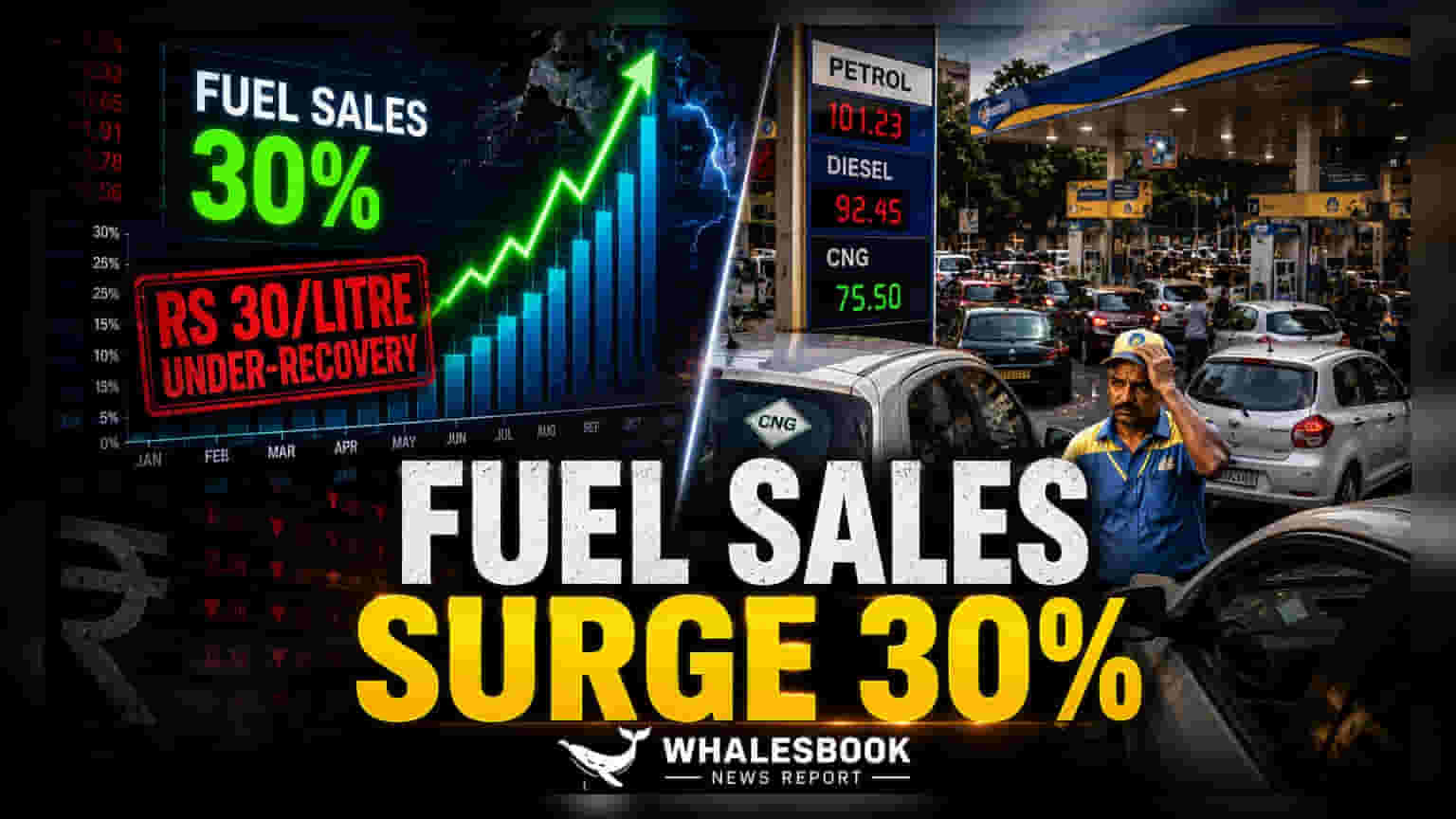


The Shift in Market Dominance
The domestic petroleum landscape is undergoing a forced consolidation. As retail demand spiked 30% in May, the market witnessed an unprecedented exodus of volume from private oil marketing companies, which reported a 38% decline in throughput. This liquidity has migrated directly into the retail networks of public sector oil marketing companies (PSU OMCs). This migration is not merely a preference for government outlets but a byproduct of pricing asymmetry. While private players grapple with the commercial viability of maintaining supply at government-pegged retail prices, state-run firms act as the final backstop for national energy security, absorbing the brunt of localized demand spikes.
The Pricing Paradox and Fiscal Strain
The recent recalibration of export levies on May 31—slashing duties on petrol, diesel, and aviation turbine fuel—functions as an emergency release valve for systemic tension. However, these tax maneuvers mask the severe margin compression occurring at the refinery gate. The Rs 30 per litre under-recovery on jet fuel underscores the friction between global crude volatility and domestic price ceilings. Despite the government's previous Rs 10 excise duty reduction per litre on transport fuels, the current pricing environment remains fragile. PSU OMCs are essentially operating as fiscal shock absorbers, a role that limits their ability to capture windfall gains from the very demand surge that is currently straining their logistical infrastructure.
The Forensic Bear Case: Structural Risks
Investors must look past the headline growth in volume. The shift in market share toward PSU OMCs, while appearing beneficial for their top-line revenue, poses long-term risks to balance sheet efficiency. PSU OMCs face mounting capital expenditure requirements to manage the current crowding at retail outlets, yet their profitability remains tethered to political, rather than market, imperatives. Furthermore, the reliance on the Essential Commodities Act to curb hoarding suggests that the government is concerned about supply-chain integrity, pointing to potential logistical bottlenecks that could trigger further administrative interventions. Should global crude prices remain elevated, the capacity for the state to continue absorbing under-recoveries through export levy adjustments will diminish, likely leading to either sharp price hikes for consumers or a deterioration in the financial health of these state-run entities.
Forward Outlook
Market stability hinges on the government's ability to balance revenue collection with inflation control. If the current trend of private-to-public volume migration persists, the resulting stress on PSU infrastructure will necessitate significant upgrades to storage and distribution capabilities. Analyst sentiment remains cautious, focusing on the potential for dividend impact and reduced cash flows should the under-recovery burden continue to widen throughout the fiscal year.