

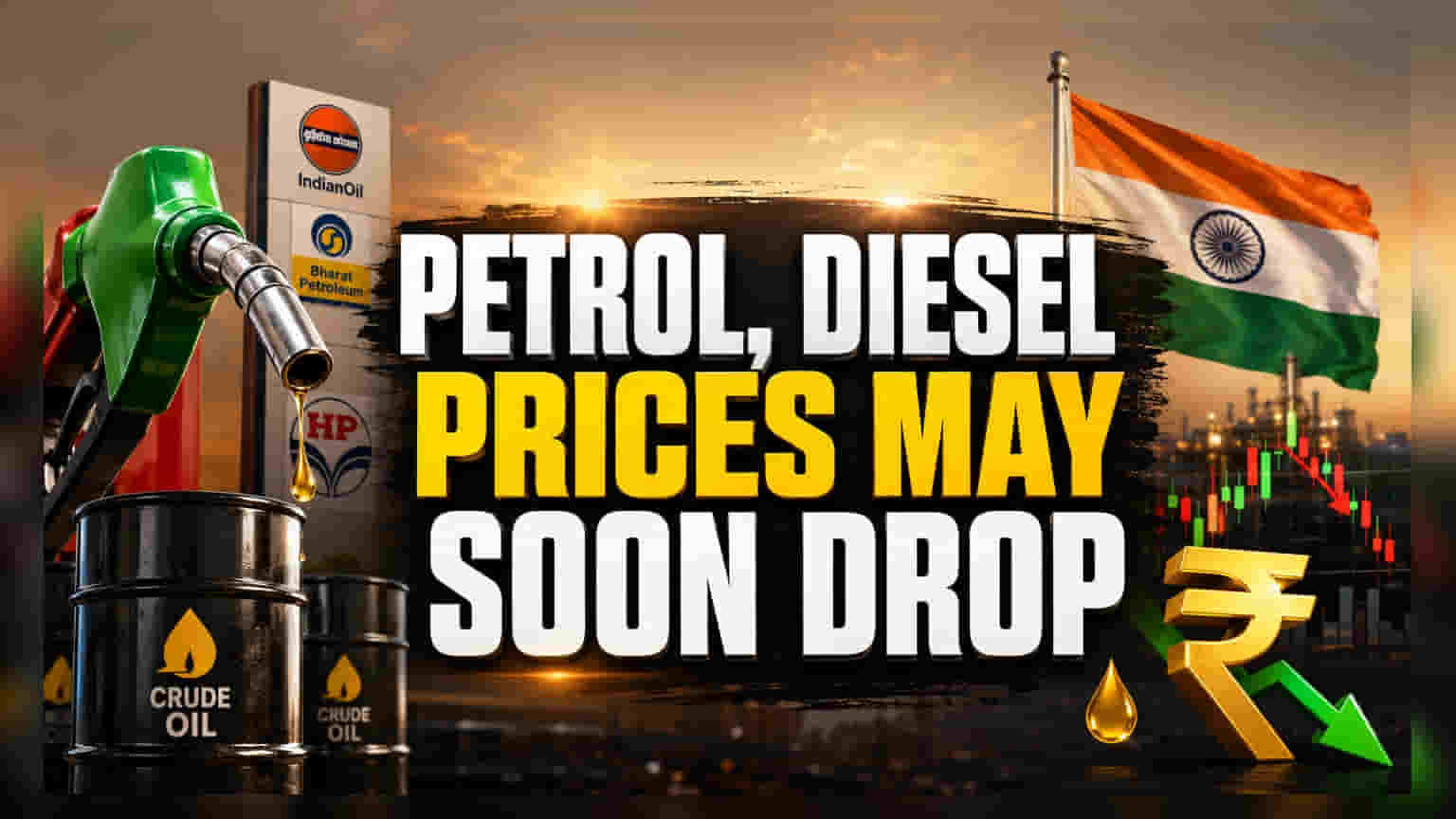
Petroleum Minister Hardeep Singh Puri hinted that petrol and diesel prices may ease as refiners begin processing lower-cost crude oil. However, state-run oil marketing companies continue to report significant daily losses, highlighting the ongoing tension between managing retail inflation and maintaining profitability for energy firms.
What Happened
Union Petroleum and Natural Gas Minister Hardeep Singh Puri stated on Saturday that Indian consumers could soon see a reduction in petrol and diesel prices. The minister explained that this potential relief depends on when crude oil purchased at lower international rates reaches domestic refiners. According to his comments, oil marketing companies (OMCs) are currently processing existing stocks that were bought at higher prices during earlier periods of global market volatility.
The OMC Margin Pressure
For investors, the core issue lies in the operational reality of India's state-run fuel retailers—Indian Oil Corporation (IOCL), Bharat Petroleum (BPCL), and Hindustan Petroleum (HPCL). These companies operate on 'marketing margins,' which represent the difference between the price at which they sell fuel and their cost of procurement, refining, and distribution.
When global crude oil prices spike, these companies often face a gap between the cost of the fuel and the retail price charged at the pump. When they cannot raise retail prices to match the crude cost, they incur what is known as 'under-recovery,' or losses on marketing. The minister’s statement regarding daily losses of approximately ₹1,000 crore highlights the financial strain these firms face when they are forced to absorb high procurement costs to keep retail inflation stable.
Why Fuel Prices Matter for Investors
Fuel prices are a critical input cost for almost every sector in the Indian economy. When petrol and diesel prices remain high, logistics and transport costs increase, which can squeeze profit margins for companies in manufacturing, FMCG, and transportation. Conversely, if fuel prices drop, it can act as a relief for inflation, potentially improving the disposable income of consumers and lowering costs for businesses that rely on supply chains.
Government Strategy and Stability
Minister Puri noted that the government has historically used excise duty cuts to shield consumers from extreme volatility. He cited reductions in November 2021 and May 2022 as key factors that have absorbed cost pressures. The government's stance has consistently been to balance the need to control inflation with the requirement for OMCs to maintain financial health. Investors often watch these policy statements closely, as they indicate how much 'pain' or loss the government expects these public sector companies to absorb before a price adjustment is permitted.
What Investors Should Monitor
The primary monitorable for investors is the trend in global crude oil prices, specifically the Brent and WTI crude benchmarks. If crude prices remain soft or decline further, it reduces the cost burden on refiners, potentially leading to improved marketing margins for OMCs. Conversely, if geopolitical tensions in the Middle East resurface, it could lead to renewed volatility in crude prices, potentially forcing OMCs to sustain longer periods of margin compression. Investors will likely look for updates in upcoming quarterly financial results to see if the reported losses are being offset by better refining margins or if they continue to impact the bottom line.