 Whalesbook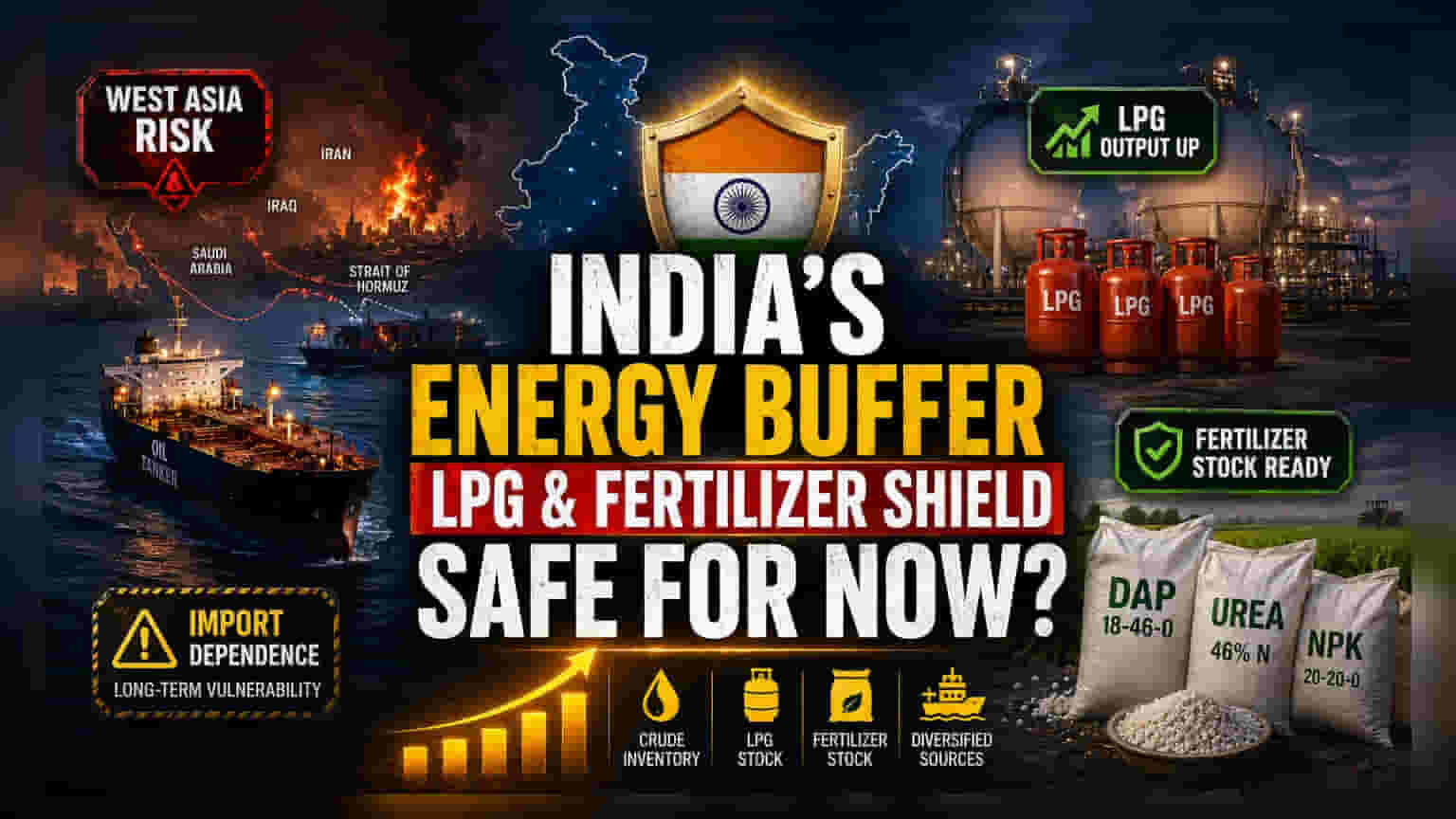


The Geopolitical Buffer
While volatility in West Asia typically triggers immediate risk premiums in global energy markets, the Indian government’s current strategy focuses on aggressive domestic inventory accumulation to insulate the economy from supply chain disruptions. The Ministry of Petroleum and Natural Gas confirmed that existing crude and gas reserves remain unaffected, effectively decoupling domestic price stability from short-term regional shipping risks. The strategic increase in LPG production to over 52,000 metric tonnes daily acts as a vital shock absorber, preventing the potential bottlenecks that often plague emerging economies when major transit corridors become unstable.
Maritime Risk and Operational Continuity
The recent emergency involving the MT Marivex highlights the persistent vulnerability of the Indian merchant marine to the broader regional conflict. Although the crew is reported safe, such incidents elevate insurance premiums for vessels traversing the Indian Ocean and Red Sea routes. Historically, heightened maritime risks necessitate a rise in War Risk Surcharges (WRS) for container and tanker traffic. While the current supply chains remain functional, long-term exposure to these transit risks could exert upward pressure on CIF (Cost, Insurance, and Freight) prices, potentially forcing the government to intervene with further subsidies or tactical tax adjustments if global benchmark crude prices remain elevated.
The Fertilizer Shield
Agriculture serves as the primary beneficiary of this supply stability. With 86.65 lakh metric tonnes of fertilizer secured for the Kharif cycle, the administration has successfully pre-empted the typical seasonal shortages that drive domestic food inflation. The notable pivot toward organic manure—up significantly from prior cycles—suggests a structural shift in agricultural inputs that reduces reliance on imported urea and DAP. This diversification lowers the national fiscal deficit risk by reducing the import bill for synthetic fertilizers, which are historically prone to price spikes when natural gas costs rise.
The Forensic Bear Case: Vulnerability Factors
Despite the optimistic tone from the Ministry, a cynical analysis reveals significant structural dependencies. India remains structurally tethered to volatile import markets for over 80% of its crude requirements. Any sustained closure or prolonged military escalation in the Strait of Hormuz would render current domestic inventory levels insufficient for more than a few weeks. Furthermore, the reliance on the Delivery Authentication Code system and digital distribution metrics, while efficient, assumes a constant flow of secondary logistics that are easily compromised by fuel price spikes. Investors should note that while immediate shortages are non-existent, the fiscal burden of maintaining these inventory levels in an inflationary environment creates long-term margin pressure for domestic oil marketing companies and fertilizer producers who often bear the brunt of social pricing mandates.