

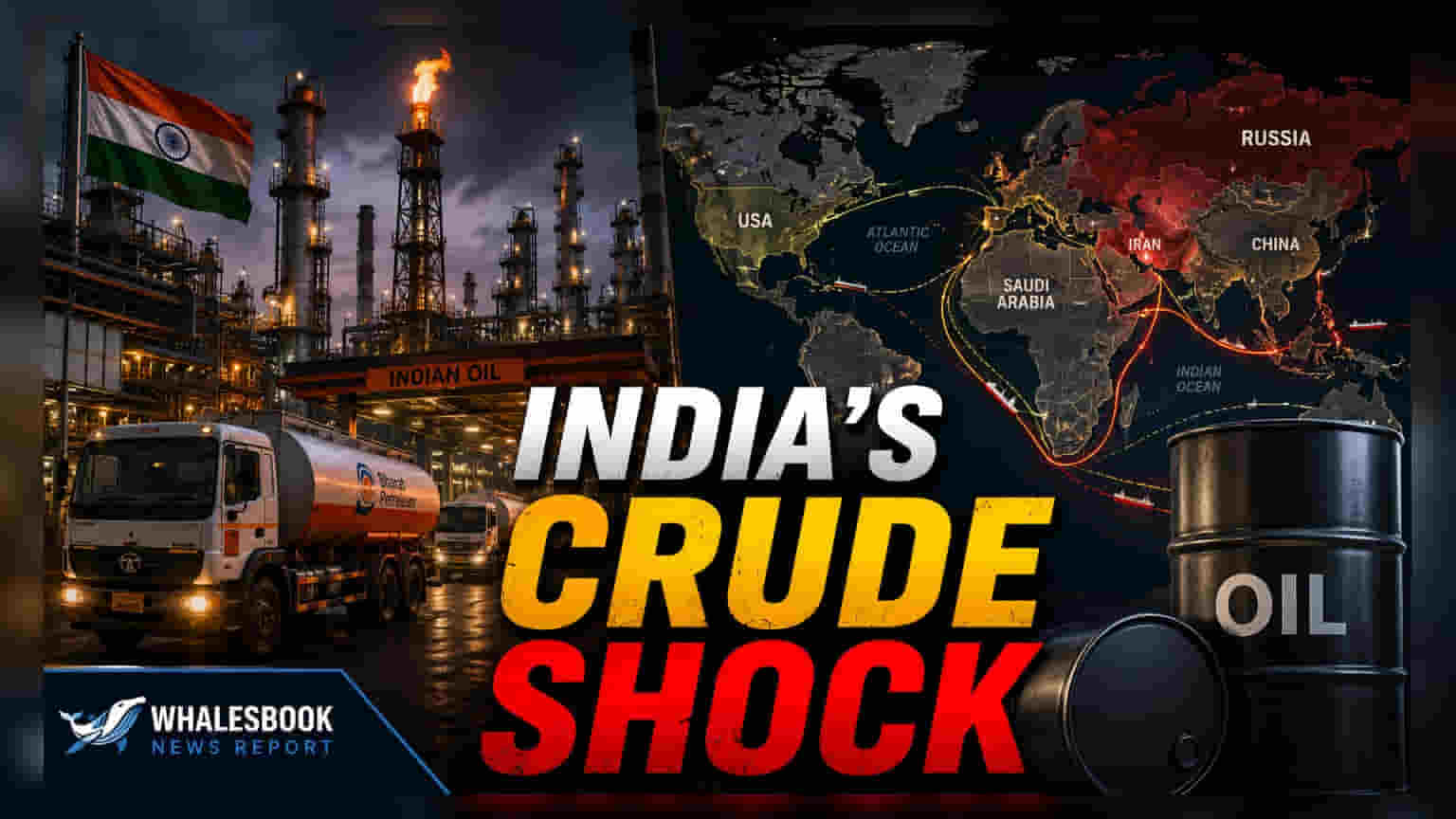
India’s crude oil inventories reached 104 million barrels by late June, providing roughly 21 days of consumption cover. This recovery from April lows follows steady import volumes and the normalization of key transit routes through the Persian Gulf.
What Happened
India’s crude oil stockpiles have reached approximately 104 million barrels as of the end of June, marking a return to near 12-month highs. Data indicates this recovery was driven by strong import volumes, which helped replenish reserves that were used heavily earlier in the year. The current inventory level, which includes commercial stocks and strategic petroleum reserves, provides about 21 days of supply coverage based on India's daily consumption of roughly 5 million barrels.
The Path To Inventory Recovery
The nation’s oil reserves had faced significant pressure earlier this year. In February, stocks peaked at 107 million barrels, but geopolitical tensions around the Strait of Hormuz led refiners to draw down these reserves to maintain operational continuity. By the end of April, inventories had fallen to 90.5 million barrels. The recent increase to 104 million barrels reflects a successful effort by refiners to secure supplies despite global logistics challenges.
Role Of Russian Crude And Supply Routes
Refiners maintained high operational rates throughout the period of uncertainty to ensure there was no shortage of fuel for consumers. A key factor in stabilizing these stocks was the availability of Russian crude oil. Additionally, transit through the Strait of Hormuz has partially normalized, with government officials confirming that previously delayed vessels have successfully navigated the region. This has reduced concerns regarding potential disruptions to energy imports.
How Investors May Read This
For investors in the oil and gas sector, this inventory replenishment is a sign of operational stability. The ability of Indian refiners to secure alternative global sources when regional tensions arise helps protect their refining margins and prevents costly shutdowns. While the immediate supply risk has eased, the strategy of maintaining high inventory levels suggests that companies are prioritizing supply chain security to avoid the risks associated with volatile global crude routes.
What Investors Should Track
Moving forward, the primary monitorables for investors include the stability of global crude import prices and the continued availability of discounted crude oil. Investors may also watch for management commentary from major Indian oil marketing companies regarding their inventory management costs and refining margins. Additionally, any further updates on geopolitical stability in major transit corridors like the Strait of Hormuz will remain a critical factor in how refiners plan their future import schedules and stock levels.