

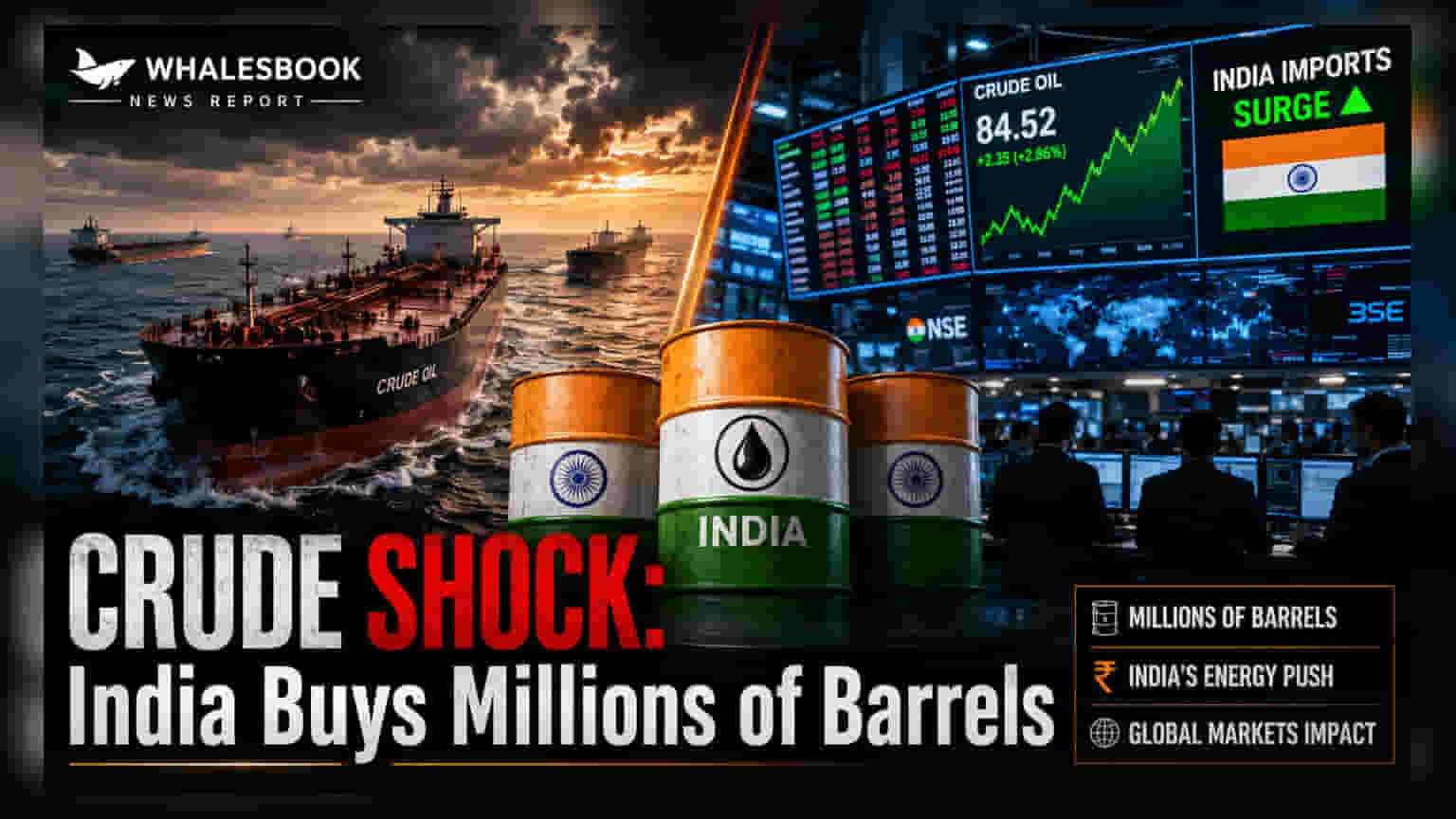
Indian Oil Corporation and Hindustan Petroleum have purchased 7 million barrels of crude oil from Angola, Nigeria, and Brazil. The supplies are scheduled for delivery between late August and September. This procurement helps state-run refiners maintain steady feedstock levels amid fluctuating global energy prices.
Indian state-owned refiners Indian Oil Corporation (IOC) and Hindustan Petroleum Corporation (HPCL) have completed the purchase of approximately 7 million barrels of crude oil through recent tender processes. These acquisitions, which include various grades from West African and South American suppliers, are intended to bolster refining inventories as the companies prepare for production cycles in late August and September.
According to industry reports, IOC accounted for the majority of the volume, securing 5 million barrels of crude. This includes 1 million barrels of Angola’s Kissanje grade, 2 million barrels of Nigerian Agbami and Usan crude, and 2 million barrels of Angolan Nemba and Dalia crude. HPCL separately finalized the purchase of 2 million barrels of Brazil’s Tupi crude. The specific financial terms of these transactions have not been publicly disclosed, which is consistent with the standard commercial practices of these oil marketing companies.
Strategic Importance for Refiners
For investors, these purchases reflect the ongoing strategy of Indian state refiners to diversify their crude oil procurement sources. By sourcing from multiple regions—including Angola, Nigeria, and Brazil—companies like IOC and HPCL aim to optimize their input costs and manage supply risks associated with global geopolitical developments. The ability to secure large volumes via tenders allows these refiners to lock in supply for their downstream operations, which directly impacts the throughput and utilization levels of their refineries.
However, these refiners operate in a business environment highly sensitive to international crude prices and currency fluctuations. Because India imports a significant portion of its crude oil requirements, changes in global oil benchmarks or the strength of the Indian Rupee against the U.S. Dollar can influence profit margins. Investors typically track these procurement patterns as a signal of operational demand and the companies' efforts to maintain steady margins in a volatile commodity market. Historically, the profitability of these refiners is closely tied to their ability to manage refining margins, which are the difference between the cost of crude oil and the market price of the finished petroleum products like petrol, diesel, and jet fuel.
Next Steps for Investors
The immediate monitorable for shareholders will be the impact of these procurement costs on the upcoming quarterly financial results. Investors may track management commentary regarding refining margins and the broader trend in global crude price volatility. As these companies continue to operate in a capital-intensive sector, keeping an eye on operational efficiency and the government’s policy on retail fuel pricing remains essential to understanding their long-term financial health.