 Whalesbook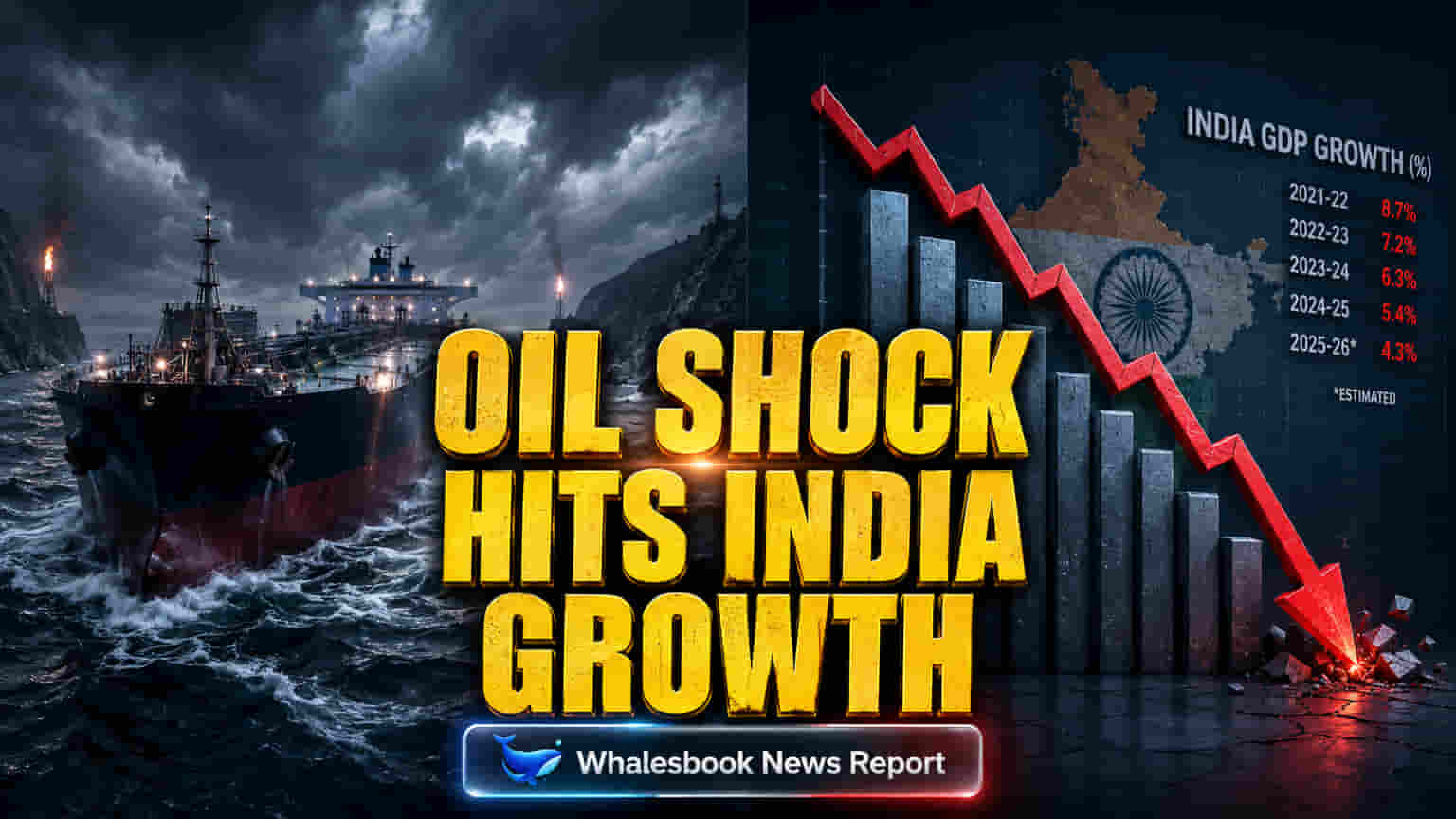


Hormuz Disruption Reshapes Global Oil Routes
The conflict around the Strait of Hormuz is no longer just a temporary supply shock. It's fundamentally changing global energy logistics. This ongoing disruption forces major oil importers like China, India, Japan, and South Korea to seek individual supply deals with regional producers. These negotiations are often unclear and prone to disruptions.
Hormuz Chokepoint Vital for Oil Trade
Rising tensions have largely halted shipping through the Strait of Hormuz, a critical route for about one-fifth of the world's seaborne crude oil and LNG. Traffic has dropped by more than 90% from pre-conflict levels. This is due to increased caution among shippers, high insurance costs, and direct threats. As of May 17, 2026, Brent crude oil prices are trading around $107 per barrel, matching Moody's projected $90-$110 range for the year, signaling ongoing supply tightness and market swings. The Indian Rupee has weakened against the dollar, trading near 96.00, which increases import costs for India. Even if safe passage were to resume, the market would likely remain supply-constrained, with prices susceptible to significant fluctuations. This persistent price environment is projected to cut real GDP growth by 0.2-0.8 percentage points for major economies.
Asia Diversifies Energy Sources Amid Risks
Major economies are adjusting their energy strategies due to the crisis. South Korea has cut its reliance on Middle Eastern oil, shifting imports to North America and Africa and seeking routes around the Strait of Hormuz. Japan, looking to boost energy security, is diversifying deliveries and prioritizing nuclear restarts, even as corporate strategies shift towards emphasizing fossil fuels. China is advancing its 'energy powerhouse' ambitions, focusing on domestic production, overland pipelines, and Arctic LNG investments to enhance self-sufficiency and diversify maritime imports, aided by its relationships with Russia and other partners.
India, however, remains particularly exposed. Nearly half of its crude oil imports come from the Middle East. The current disruptions worsen existing pressures on its budget and finances. Moody's has consequently lowered India's 2026 GDP growth forecast by 0.8 percentage points to 6%, while raising its inflation estimate to 4.5%. Past oil price shocks, like those in 1973-74 and 2008, caused sharp inflation, GDP contraction, and currency crises in India, highlighting the economic risks. Although India's economy has grown stronger and more energy-efficient, the current supply problem is a significant challenge.
Bilateral Deals Carry Higher Risks and Costs
Moving to bilateral transit routes carries significant risks. These routes are often unclear and prone to interruptions, leading to ongoing uncertainty rather than secure supply. Furthermore, the cost of securing passage through the Strait of Hormuz has surged dramatically. War risk insurance premiums have escalated to around 5% of a vessel's value, up tenfold from normal times and reaching 10% in some cases. This makes transit very expensive and sometimes impossible. This high cost, combined with safety risks, acts as a major deterrent, disrupting supply chains. For India, this means more currency depreciation, higher inflation, and pressure on government spending due to rising fuel and fertilizer costs. India's reliance on Middle Eastern crude remains a key weakness compared to the more proactive hedging by East Asian economies.
Outlook: Continued Price Swings and Economic Pressure
Moody's expects Brent crude prices to stay in a volatile $90-$110 range for some time, suggesting ongoing economic challenges. The agency's forecast for India indicates the nation will face dual pressures from high energy costs and disrupted supply chains. The global outlook remains uncertain amid the prolonged conflict, with potential for further supply disruptions and price spikes affecting economic activity worldwide.