

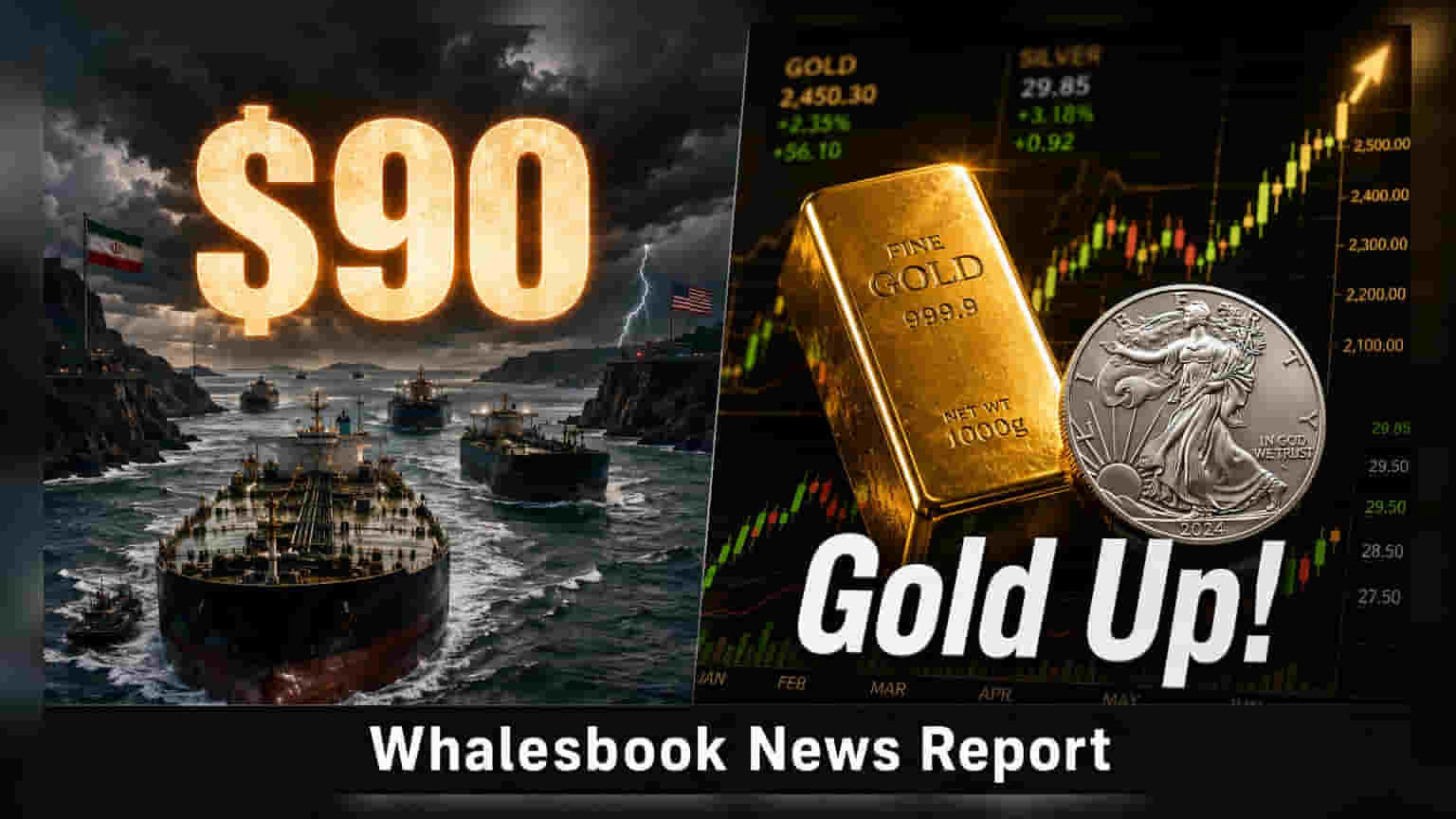
Commodity prices are experiencing sharp fluctuations as the Strait of Hormuz remains effectively blocked and Federal Reserve interest rate policy stays uncertain. Investors are balancing supply-side fears in the energy market against potential inflationary risks that could impact central bank decisions.
Global commodity markets are witnessing significant price instability, driven by a combination of a persistent geopolitical crisis and uncertainty regarding United States interest rate policy. The ongoing disruption in the Strait of Hormuz, a critical maritime chokepoint, continues to be a primary source of supply concern for global energy markets. With the waterway effectively under a blockade since February 28, 2026, the movement of oil and other essential goods remains severely hindered.
Impact of Geopolitical Escalation
The situation in the Strait of Hormuz intensified recently, with reports confirming an attack on an ADNOC commercial vessel on August 15, 2026. This incident highlights the vulnerability of the region and adds to the uncertainty that has kept energy prices volatile. Diplomatic efforts to resolve the standoff have largely remained at an impasse. Recent rhetoric, including threats from the U.S. administration to designate the strait as U.S. territory, has further complicated the geopolitical landscape. According to International Energy Agency projections, the ongoing conflict could lead to a reduction in global oil supply by up to 4.3 million barrels per day throughout 2026, creating a tight balance between available supply and global demand.
Federal Reserve Policy and Market Reaction
While supply shocks are impacting commodity prices, the Federal Reserve’s interest rate policy remains a key factor for market sentiment. In its July 2026 meeting, the Federal Reserve held interest rates steady at 3.50%–3.75%. However, the decision was not unanimous, with three members voting in favor of a rate hike. This division within the committee has fueled market speculation about the possibility of future increases if inflation remains persistent. For investors, this creates a complex environment where cooling inflation data provides some support, but energy-driven inflationary pressures could force the central bank to maintain or increase rates, thereby tightening financial conditions.
Asset Performance and Investor Monitorables
Market participants are observing mixed trends across commodity segments. Precious metals like gold and silver have attracted interest as potential hedges against geopolitical uncertainty and economic volatility. Conversely, energy prices are reacting to the tension between supply-side fears and concerns over demand forecasts. The divergence in these trends underscores the heightened sensitivity of asset prices to both diplomatic and macroeconomic news.
Looking ahead, the direction of commodity prices will likely depend on developments in the Strait of Hormuz and incoming economic data. Investors should track future FOMC meeting minutes for clues on policy direction and monitor diplomatic signals regarding the maritime blockade. The sustainability of current price trends will depend on whether supply chains stabilize or if geopolitical flare-ups continue to exert upward pressure on commodity costs and broader inflation metrics.