

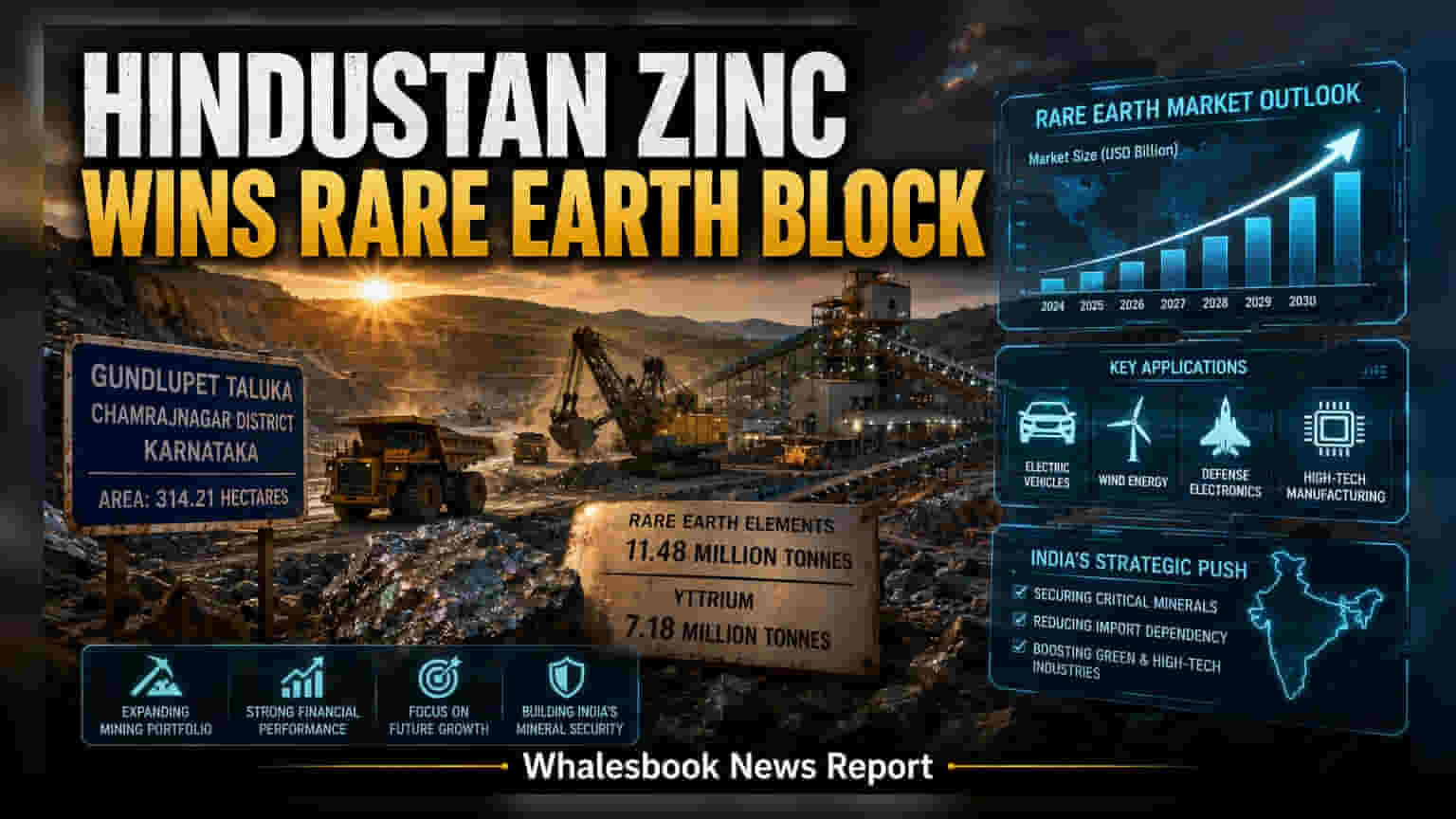
Hindustan Zinc has received a letter of intent for a 314-hectare rare earth element and yttrium mining block in Karnataka. This acquisition marks a strategic push for the zinc giant as it diversifies its portfolio to meet the growing demand for critical minerals in electronics and green energy.
Hindustan Zinc Limited has received a formal letter of intent from the Karnataka government to develop a rare earth element and yttrium mineral block. The site is located in the Gundlupet taluka of the Chamrajnagar district and spans 314.21 hectares. This development is a part of the company's strategy to expand its mining portfolio beyond its traditional zinc and silver operations.
The block is estimated to contain 11.48 million tonnes of rare earth elements and 7.18 million tonnes of yttrium. These minerals are essential for high-tech manufacturing, including electric vehicle drivetrains, wind energy turbines, and defense electronics. By securing these reserves, the company aims to play a larger role in the domestic supply chain for next-generation technology and green energy components.
This move aligns with Hindustan Zinc's broader plan to evolve into a multi-metal enterprise. In recent periods, the company has successfully bid for other critical mineral blocks, including potash in Rajasthan, tungsten in Andhra Pradesh, and an additional rare earth element block in Uttar Pradesh. These acquisitions suggest a concerted effort to reduce reliance on zinc and silver prices by tapping into materials with long-term growth potential.
The company’s ability to fund these large-scale ventures is supported by its strong balance sheet. In the first quarter of the 2027 financial year, Hindustan Zinc reported a net profit of ₹5,469 crore, marking a 145% year-on-year increase, with revenue growing 77% to ₹13,747 crore. This financial performance provides the capital flexibility needed to invest in complex exploration and mining projects.
However, expanding into rare earth minerals involves notable risks. Mining these materials is complex and capital-intensive compared to traditional mining operations. The company faces significant execution risks, as it must navigate lengthy regulatory and environmental approval processes before mining can begin. Furthermore, the economic viability of these new blocks will depend on successful exploration results and the ability to efficiently process the minerals. While these minerals are in high demand, the company remains exposed to global commodity price volatility, which can impact the profitability of its entire mineral portfolio.
Investors may monitor the project’s progress, specifically the timeline for environmental clearances and the commencement of detailed exploration activities. As the company moves from the letter of intent to the actual mining lease, clarity on the capital spending requirements and the expected timeline for production will be the next important updates to follow.