 Whalesbook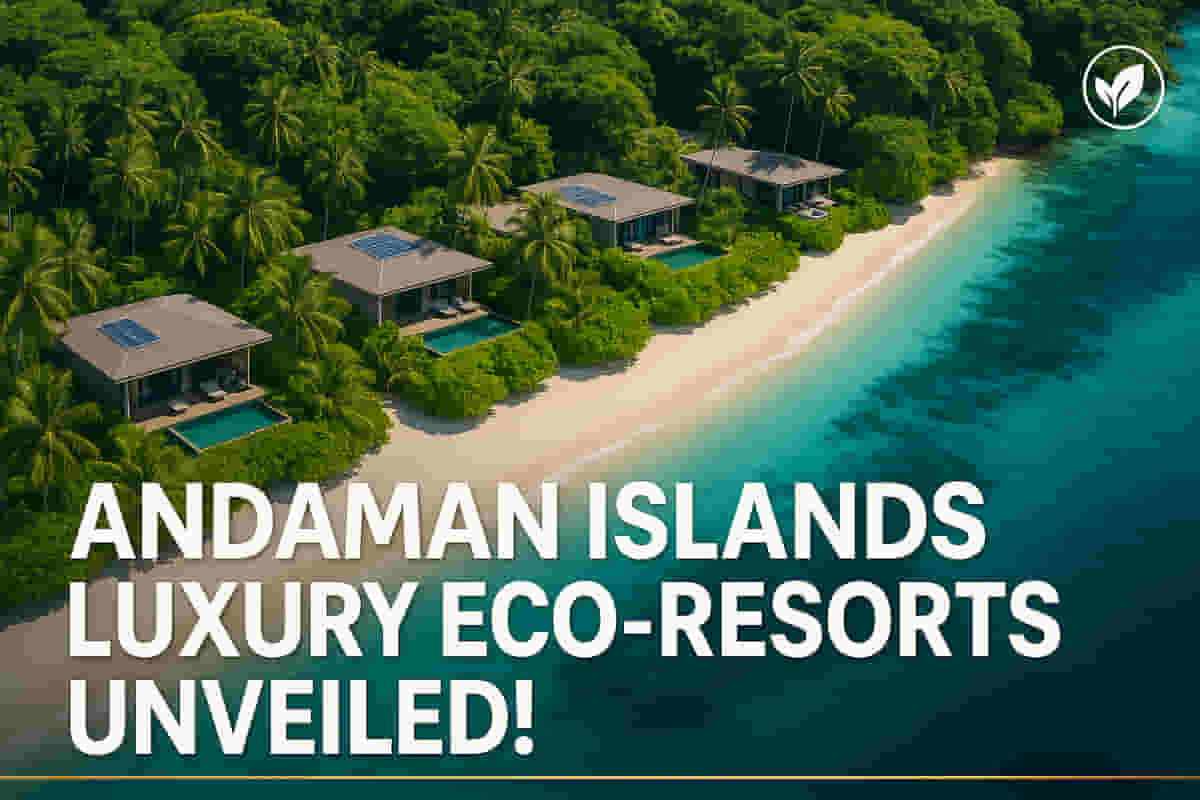
Andaman Islands Gear Up for Luxury Eco-Tourism Expansion
The Andaman and Nicobar Islands Integrated Development Corporation Limited (ANIIDCO) has announced a significant stride towards bolstering sustainable tourism by finalizing successful tenders for four key eco-tourism projects across the islands. Three well-known hospitality groups have won bids to develop luxury, eco-friendly tourism resorts at the pristine locations of Long Island, Aves Island, and Shaheed Dweep, also known as Neil Island. Additionally, another hospitality group has secured the bid to redevelop the existing Megapode Resort in Sri Vijaya Purma, marking a substantial expansion of high-end, responsible tourism infrastructure.
The Core Initiative
In a major push for growth led by sustainable tourism, ANIIDCO has awarded Letters of Award for the development of these eco-tourism resorts. The projects are designed to attract discerning travelers seeking luxury combined with environmental consciousness. This move is expected to elevate the archipelago's status as a desirable global destination.
Financial Commitments and Revenue Sharing
The financial framework for these projects involves significant investment and structured revenue sharing. The concession period for the new resorts at Long Island, Aves Island, and Shaheed Dweep is set at 75 years, including construction time. For the redevelopment of Megapode Resort, the concession period is 50 years. The concessionaires will contribute financially through annual concession fees. Furthermore, they will share revenue, with rates set at 3.6 percent for Megapode Resort, 3 percent for Shaheed Dweep, and 2 percent each for Long Island and Aves Island.
Investment figures for the new resorts are substantial. The project at Aves Island, covering 2.75 hectares, involves an investment of nearly ₹36 crore and will feature 50 rooms. The resort at Long Island is slated for a total project cost of approximately ₹391 crore, accommodating up to 220 rooms. Shaheed Dweep's resort will see an investment of approximately ₹172 crore for its 120 rooms.
Vision for Sustainable and Responsible Tourism
The administration's overarching goal is to establish the Andaman and Nicobar Islands as a premier global destination for responsible, nature-centric tourism. The new resorts are meticulously designed to meet stringent international sustainability standards, including certifications like LEED, GRIHA, and Green Globe. Full compliance with Coastal Regulation Zone (CRZ) norms and environmental regulations is paramount.
Emphasizing low-impact design, the resorts will operate on self-sustaining systems, primarily powered by renewable energy sources such as solar installations. This approach aims to minimize the ecological footprint and ensure seamless integration with the islands' unique natural landscapes.
Unlocking New Destinations
Among the four locations, Aves Island stands out as an uninhabited island, marking a rare instance in decades where the administration has opened such a pristine area for tourism promotion. Known for its lush green coconut plantations and often called Coconut Island, Aves is currently not open to tourists and lacks existing accommodation. With the proposed five-star eco-tourism resort, Aves is poised to become a highly sought-after tourist destination, potentially rivaling popular spots like Swaraj Dweep (Havelock Island).
The resort at Aves Island will offer activities such as scuba diving, game fishing, forest trekking, nature camping, and feature a wellness center, alongside a shopping area for local souvenirs.
Future Outlook and Impact
These developments represent a significant investment in the tourism sector of the Andaman and Nicobar Islands. They are expected to create numerous employment opportunities, boost the local economy, and enhance the overall visitor experience. By focusing on high-quality, sustainable infrastructure, the administration aims to attract a segment of travelers that values responsible tourism and is willing to invest in premium experiences.
Impact Rating: 7/10
Difficult Terms Explained
- Eco-tourism: Travel to natural areas that conserves the environment, sustains the well-being of local people, and involves interpretation and education.
- Public-Private Partnership (PPP): A cooperative arrangement between government bodies and private sector entities to finance, build, and operate projects.
- DBFOT: Design, Build, Finance, Operate, Transfer. A model where a private entity is responsible for all stages of a project from conception to operation.
- LEED: Leadership in Energy and Environmental Design. A global green building certification program.
- GRIHA: Green Rating for Integrated Habitat Assessment. India's national rating system for green buildings.
- Green Globe: A worldwide sustainability certification system for tourism and travel companies.
- CRZ: Coastal Regulation Zone. Areas along the coast that are environmentally sensitive and subject to specific regulations to protect them.
- Archipelago: A group or chain of islands.
- Concessionaire: A company or person granted the right to operate a business or provide a service, often by a government body.