 Whalesbook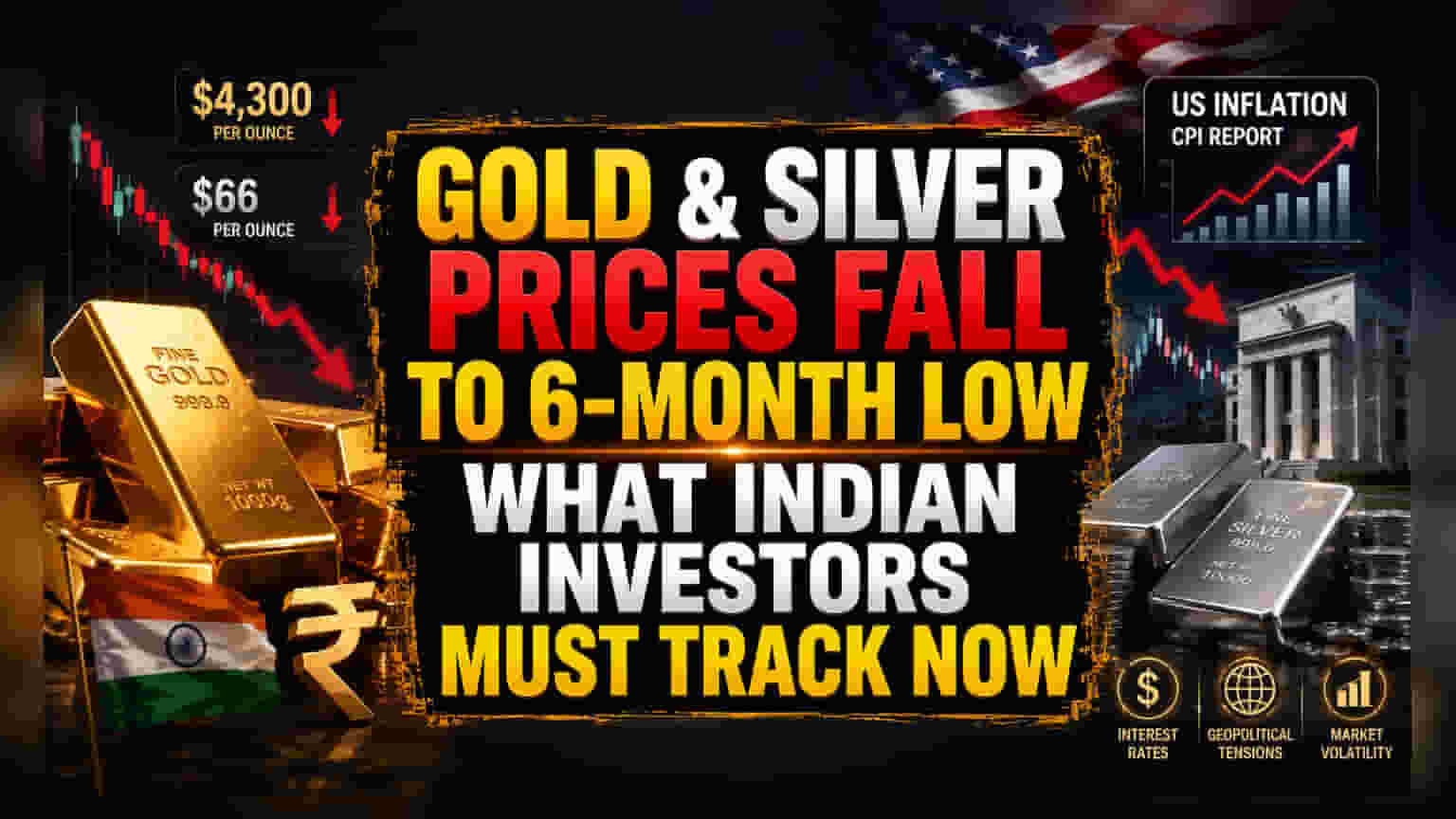


What Happened
Gold and silver prices have declined to their lowest levels in six months. Spot gold has retreated to approximately $4,300 per ounce, while silver prices have also slipped to $66 per ounce. This decline comes as global financial markets experience a period of uncertainty, driven by expectations of upcoming economic data from the United States.
Why Global Markets Are Shifting
The primary driver of this recent weakness in precious metals is the anticipation of the US Consumer Price Index report. Economists are closely monitoring this data, as expectations suggest inflation may have accelerated in May. When inflation data indicates price pressures are rising, it often leads to speculation that the Federal Reserve may maintain higher interest rates to curb the economy. Higher interest rates are typically negative for gold, as investors may prefer interest-bearing assets like bonds over non-yielding commodities like gold and silver.
Adding to the downward pressure is a shift in the geopolitical landscape. Recent signs of reduced tensions between Iran and Israel have led to a decline in safe-haven buying. Gold is traditionally seen as a defensive asset that investors flock to during times of crisis. As the immediate fear of conflict has receded, the risk premium attached to gold prices has begun to evaporate, contributing to the current sell-off.
Impact on Indian Investors
For Indian investors, the global price of gold is a critical component of domestic valuations. Gold in India is priced based on international rates, combined with import duties and the USD-INR exchange rate. When global prices fall, domestic prices on commodity exchanges like the MCX generally follow suit, which can make gold more affordable for retail consumers and jewelers in the short term.
However, Indian investors should note that currency fluctuations play a dual role. If the Indian Rupee weakens against the US Dollar, it can offset some of the gains from lower global gold prices. Conversely, a stronger Rupee would make gold imports cheaper, further cooling domestic prices. Investors holding gold ETFs or sovereign gold bonds may see a temporary decline in the net asset value of their holdings during such periods of global volatility.
Why Investors Are Cautious
The market is currently in a wait-and-see mode ahead of the Producer Price Index data scheduled for later this week. This report is expected to provide additional clarity on the broader inflation trend in the United States. Until the Federal Reserve provides clearer guidance on its policy path, commodity markets are likely to remain sensitive to any economic data that contradicts or supports current inflation expectations.
What Investors Should Track Next
The primary monitorable for market participants is the actual release of the US inflation figures. A higher-than-expected inflation reading could lead to further volatility in precious metals, while a cooling inflation number might stabilize prices. Investors should also keep a close watch on the USD-INR exchange rate, as it remains a key factor in determining the final price of gold within the Indian market. Additionally, ongoing commentary from global central bank officials regarding interest rate policy will be crucial in setting the tone for commodity price trends in the coming weeks.