 Whalesbook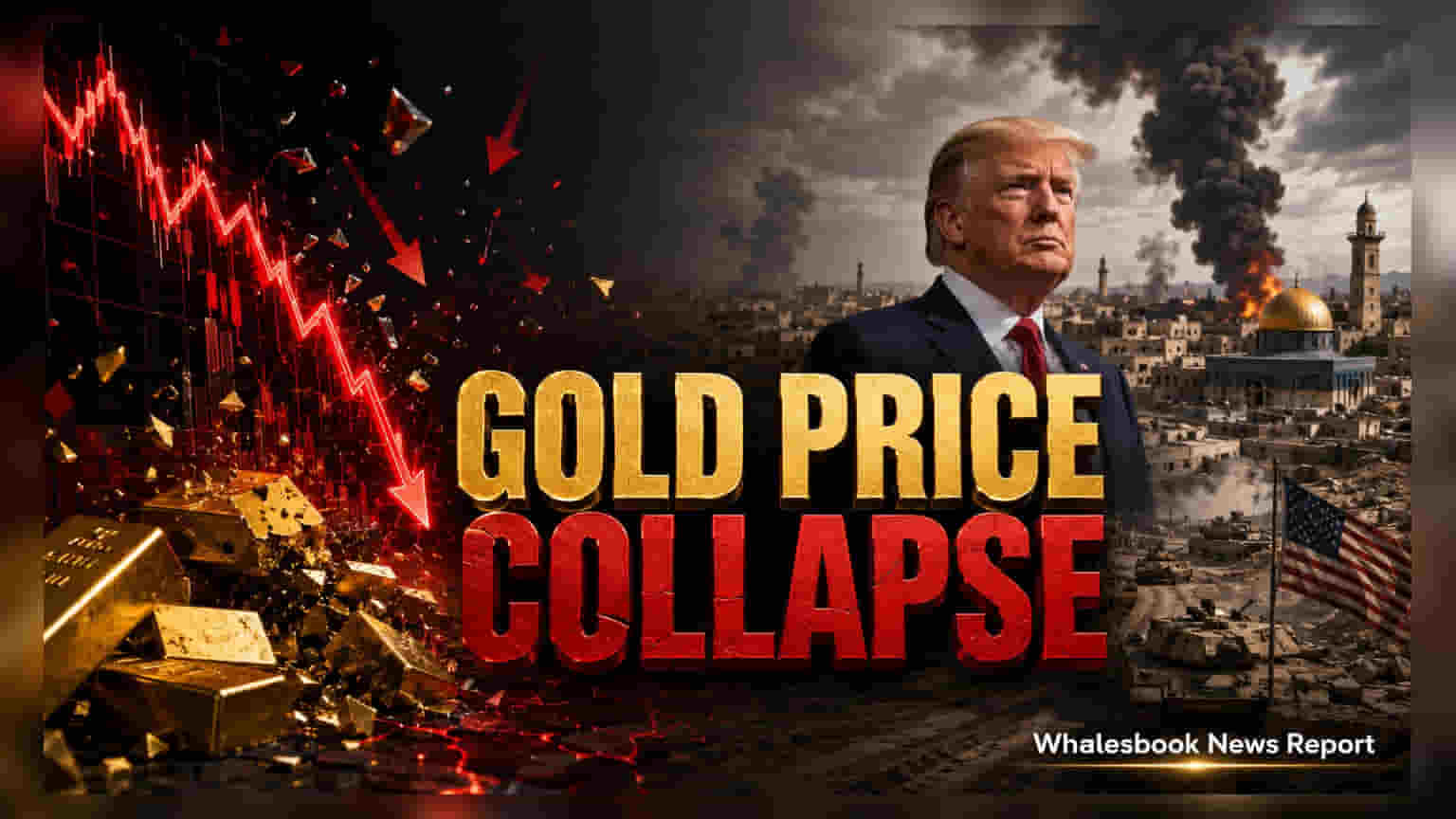


The Valuation Paradox
The prevailing narrative suggests that gold should flourish during geopolitical instability, yet the current price action reveals a more nuanced reality. While traders often view bullion as a hedge against conflict, the market is currently prioritizing the opportunity cost of capital. With WTI crude futures breaching the USD 90 threshold, inflationary pressures are effectively forcing the Federal Reserve toward a more restrictive policy cycle. This shift has elevated bond yields, stripping gold of its primary utility as a non-correlated asset. The strength of the greenback, currently hovering near 99.30, creates a dual-headwind scenario: imported inflation for non-US buyers and a higher threshold for gold to maintain its speculative value.
Macro Divergence and Yield Pressure
The disconnect between geopolitical anxiety and commodity pricing highlights a structural shift in investor behavior. Historically, gold acts as a barometer for systemic risk, but the current dominance of the CME FedWatch sentiment indicates that macroeconomic policy outweighs regional volatility. Investors are increasingly favoring yield-generating assets over stagnant bullion, particularly as the probability of a December rate hike approaches the 50 percent mark. This migration of capital is not merely a technical retracement but a fundamental reallocation as market participants position themselves for a 'higher for longer' interest rate environment throughout late 2026.
The Forensic Bear Case
The case for further downside in precious metals is grounded in the divergence between current spot prices and historical valuation models. Unlike equity markets that can pivot on earnings beats, gold remains tethered to the real interest rate environment. Should the US dollar index maintain its momentum, technical support levels for gold are significantly lower than current prints, exposing the metal to potential liquidation by momentum-focused hedge funds. Furthermore, the reliance on Middle Eastern tensions to drive price action is a precarious strategy. If the situation in Bandar Abbas stabilizes or if diplomatic channels reopen, the primary support narrative for bullion will evaporate, potentially accelerating the decline toward the next major support floor.
Market Outlook and Positioning
Looking ahead, the focus shifts toward the upcoming US inflation prints, which will serve as the final arbiter for the Federal Reserve's year-end policy decisions. While domestic MCX futures showed a sharp cooling effect—exacerbated by shortened trading windows—the volatility in silver prices suggests that institutional sentiment remains cautious. Investors are cautioned that the precious metals complex is currently caught in a liquidity squeeze, where the combination of high energy costs and a hawkish central bank trajectory creates a unfavorable environment for gold until a clear signal of cooling inflation emerges.