

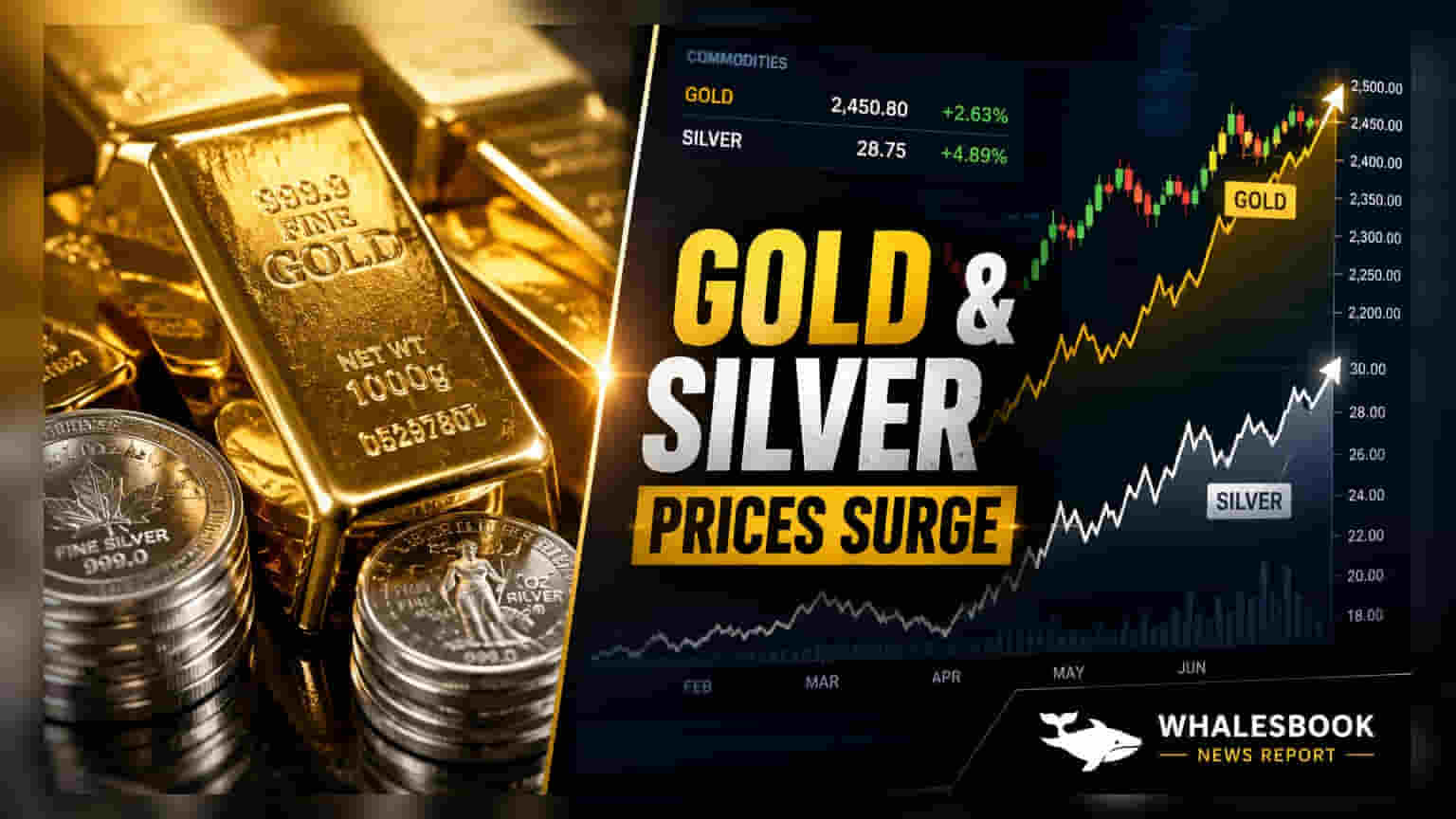
Precious metal prices in India are higher on July 2, with spot gold rising 0.8% to $4,064.48 per ounce. The upward trend follows international market strength, pushing domestic futures and retail prices upward. While global factors support the rally, high price levels may pressure physical demand for jewelry and bullion in the Indian market.
What Happened
Gold and silver prices in India are trending higher on July 2, moving in line with a rally in global commodities markets. Spot gold climbed by 0.8% to reach $4,064.48 per ounce. This follows a notable 2% rebound in the previous session. Spot silver has also seen gains, trading near $60 per ounce. On the domestic Multi Commodity Exchange (MCX), futures are reflecting this global momentum, with gold futures closing at Rs 1,44,389 per 10 grams and silver futures settling at Rs 2,28,615 per kilogram in the latest trading session.
Retail Price Impact
Retail gold prices in India remain elevated, with 24-carat gold trading above the Rs 1.40 lakh mark per 10 grams in most major cities. For instance, prices in Delhi are reported around Rs 1,40,930, while Mumbai, Kolkata, and Hyderabad are seeing levels near Rs 1,40,780. Chennai continues to record higher prices, reaching Rs 142,910. The India Bullion and Jewellers Association (IBJA) daily benchmark, which acts as a national reference, showed 24-carat gold at Rs 1,39,434 per 10 grams on July 1, highlighting the consistent upward pressure on prices.
Why Global Trends Matter
Gold and silver prices are often driven by international factors, including global interest rate expectations, geopolitical events, and the strength of the US dollar. Because India imports a significant portion of its gold and silver requirements, domestic prices are closely linked to these global spot rates. A stronger US dollar or shifting interest rate policies in major economies can create volatility, which flows directly into Indian commodity futures and retail store prices.
The Demand Risk
While higher prices are positive for existing holders of gold and silver, they create a challenge for physical demand. Jewelry retailers often observe that sustained high prices can lead to a drop in consumer interest. When gold prices stay at or near record levels, buyers may postpone purchases for weddings or festivals, or shift to recycling existing gold rather than buying new inventory. This demand sensitivity is a key factor that industry participants monitor, as it directly impacts the revenue of organized jewelry firms and small-scale jewelers alike.
What Investors Should Track
Investors and market participants should watch a few specific indicators. First, the movement of the US dollar index, which often has an inverse relationship with gold. Second, any changes in domestic import duties or central bank policies can influence the local landed cost of these metals. Finally, domestic demand trends during the upcoming festive and wedding seasons will determine whether these high prices can be sustained by physical buying or if the market may see a price correction.