

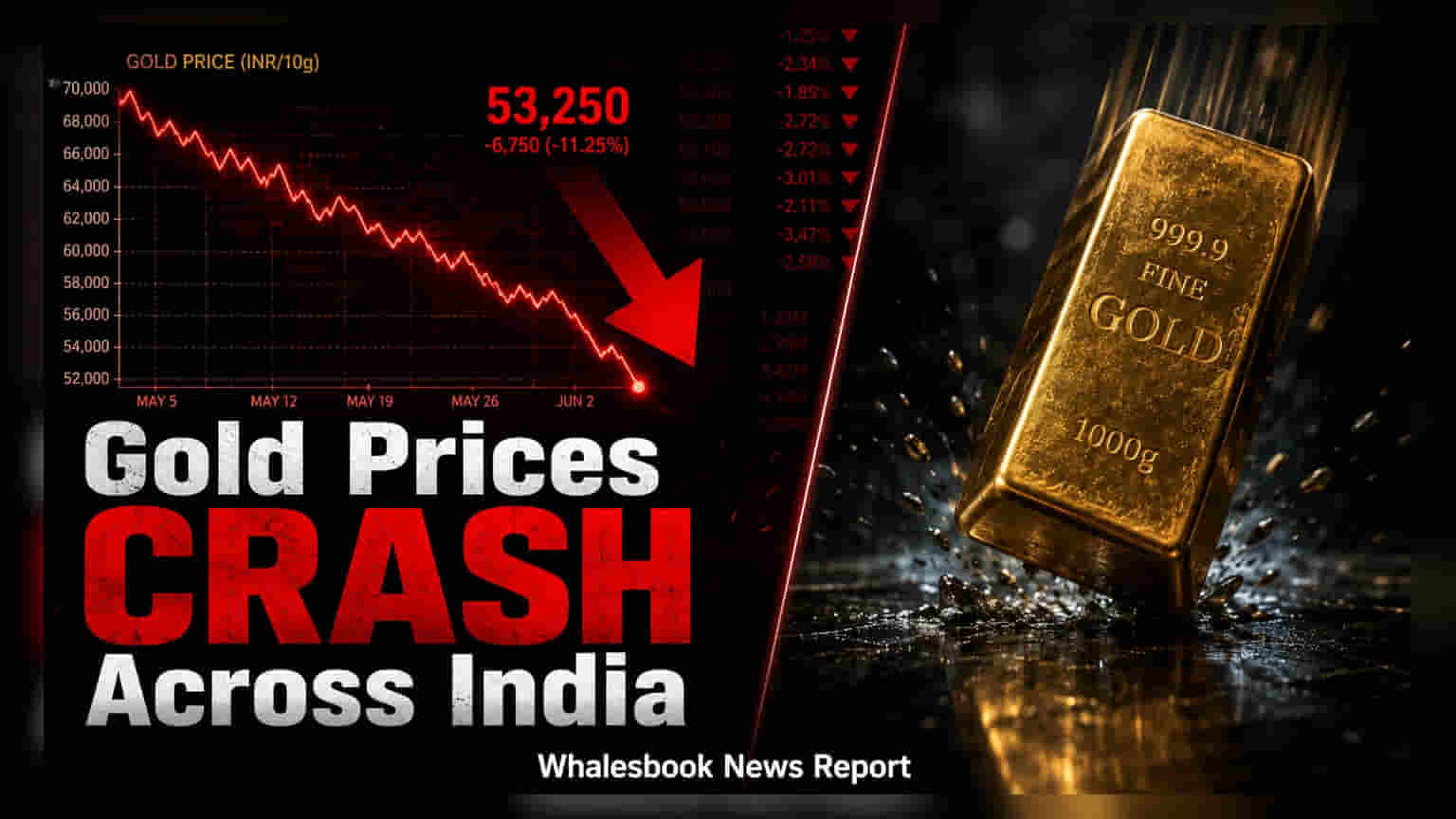
Gold prices exhibited uneven movements across Indian cities on August 5, 2026, as markets reacted to the Reserve Bank of India maintaining the repo rate at 5.25%. Investors are observing significant volatility driven by shifting global cues and ongoing geopolitical tensions in West Asia.
Gold prices in India displayed mixed trends on August 5, 2026, with market data showing inconsistent movements across major metropolitan centers. While some local bullion markets reported minor, marginal dips in price, other trading platforms recorded sharp, single-day fluctuations. This lack of a uniform direction reflects a broader atmosphere of uncertainty in the precious metals market.
A key driver for the current market sentiment is the outcome of the Reserve Bank of India’s Monetary Policy Committee meeting. The central bank decided to keep the repo rate unchanged at 5.25%. For investors and consumers, stable interest rates often influence the attractiveness of gold as an asset class compared to fixed-income investments, though the immediate impact on gold prices has been intertwined with global developments.
International factors continue to play a substantial role in determining domestic gold rates. Ongoing diplomatic negotiations between the United States and Iran, particularly concerning the Strait of Hormuz, have created a sense of apprehension in global commodity markets. Fluctuations in crude oil prices, which often influence currency markets and, by extension, the landed cost of gold in India, have further contributed to the day's price instability.
Impact on Retail Investors
Retail buyers and investors may notice discrepancies in gold rates when comparing prices across different cities or jewelry outlets. These variations are often due to local tax structures, transportation costs, and specific making charges that vary by region. Additionally, the timing of updates—whether a store reflects global exchange prices immediately or follows local association rates—can create further differences in the final price a consumer pays.
High market volatility brings inherent risks for those looking to enter or exit positions in gold. While gold is traditionally viewed as a hedge against economic uncertainty, short-term price swings can lead to potential capital losses for those who do not account for the market's current erratic behavior. The interplay between local regulatory decisions and unpredictable geopolitical news means that gold prices may continue to see rapid adjustments.
Looking ahead, market participants are expected to monitor global geopolitical updates and official announcements regarding import duties or taxation, which often influence domestic retail pricing more directly than short-term global trading spikes. Investors may focus on how international stability evolves, as this will likely dictate the next sustained trend in the bullion market.