

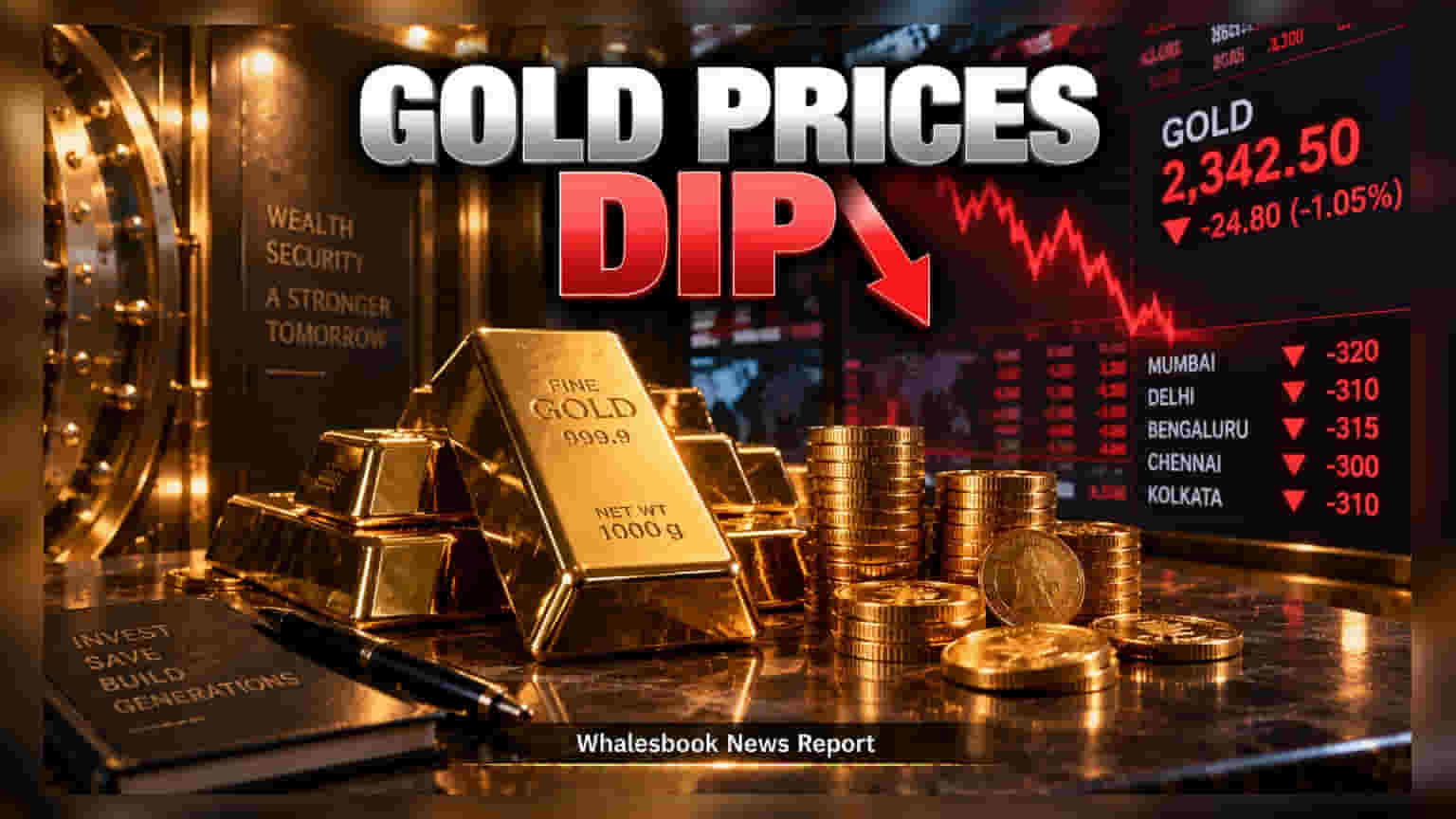
Gold prices retreated in major Indian metros on September 22, 2026. The decline, affecting both 22-carat and 24-carat gold, highlights the metal's sensitivity to global price trends, US dollar fluctuations, and international interest rate expectations.
Gold prices retreated across key Indian metropolitan hubs on September 22, 2026, marking a synchronized decline for both 22-carat and 24-carat gold. This price adjustment, visible in cities including Mumbai, Delhi, Bengaluru, Chennai, and Kolkata, comes as the bullion market navigates shifting global commodity sentiment. The downward movement in local prices is rarely an isolated domestic event; rather, it typically mirrors changes in international markets where gold is priced in US dollars.
Understanding Price Movements
For Indian investors and retail buyers, gold prices are heavily influenced by two primary factors: the international spot price of gold and the strength of the Indian Rupee against the US Dollar. Since India imports a significant portion of its gold requirement, a change in the exchange rate or a dip in global gold prices often leads to a direct adjustment in local rates. When the US dollar strengthens, it often makes gold more expensive for foreign buyers, which can put pressure on prices. Conversely, expectations regarding interest rates set by the US Federal Reserve play a major role, as gold is a non-yielding asset; when interest rates rise, gold often faces pressure because other investments like bonds become more attractive.
Impact on Consumers and Investors
Gold holds a unique position in Indian households, serving as both a form of long-term savings and a cultural asset for jewelry. A decline in prices typically triggers increased interest from retail jewelry buyers, who may view the lower rates as a favorable time to purchase for weddings or personal savings. However, for investors who hold gold as a portfolio hedge against inflation or economic uncertainty, short-term price volatility is often secondary to long-term macroeconomic trends. These investors monitor gold not just for immediate gains but as a safe haven that historically tends to retain value during times of high inflation or global market instability.
What to Monitor Next
Looking ahead, market participants will likely track global economic data and central bank policies, which remain the primary drivers of bullion trends. Investors often observe how global markets react to inflationary signals and employment data, as these indicators influence the trajectory of interest rates. Locally, any changes in import duties or government policies regarding precious metals can also affect domestic pricing. While a single day of price movement offers a snapshot of current market conditions, the broader trend for gold in India will depend on the interplay between global commodity prices, currency stability, and consumer demand patterns in the coming weeks.