

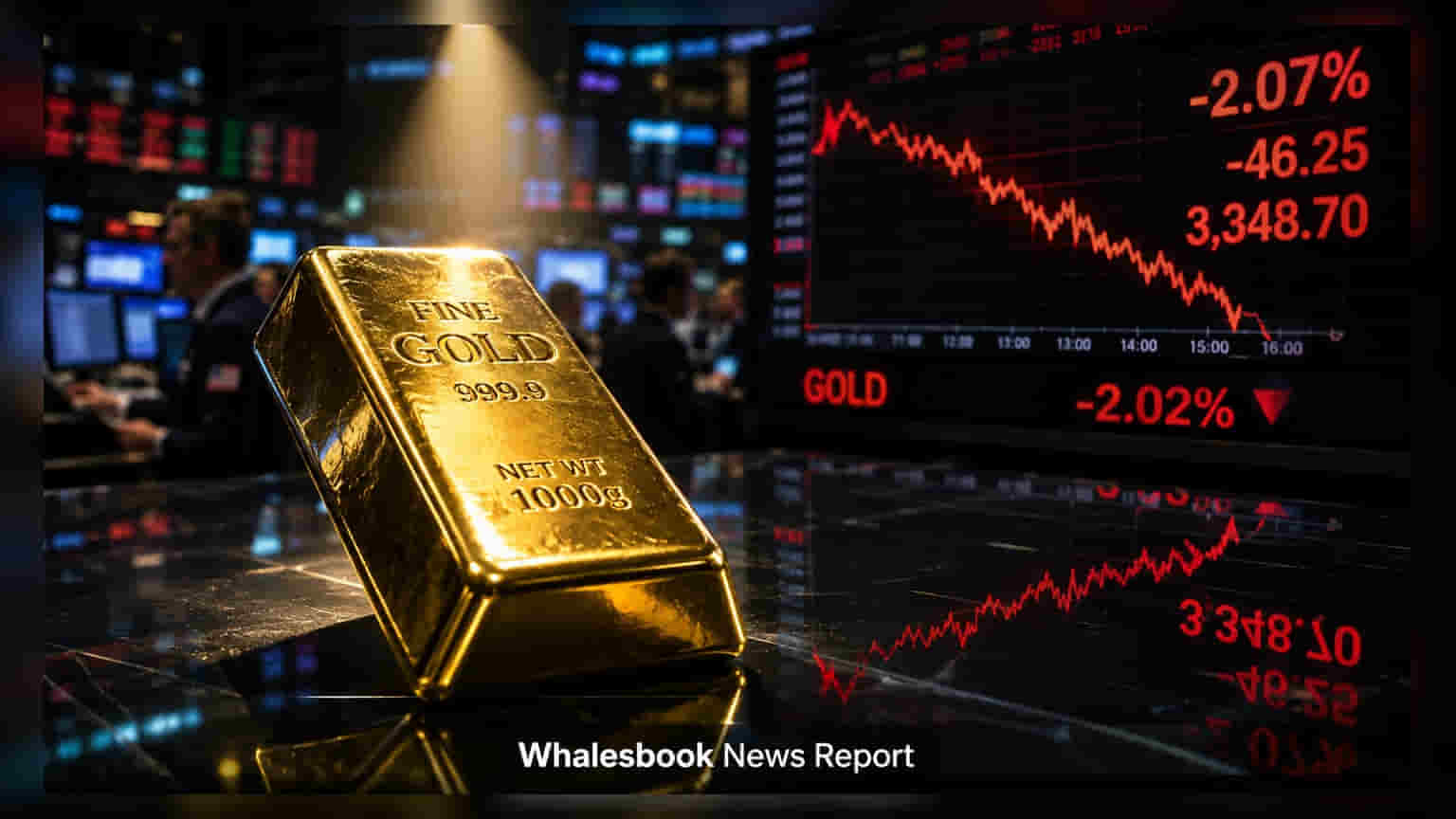
Gold prices fell by approximately 2% on August 28, 2026, after Federal Reserve Chair Kevin Warsh signaled that interest rates might need to rise to keep inflation under control. The move impacted the precious metal as investors adjusted to the possibility of higher borrowing costs.
Gold prices experienced a sharp decline on Friday, August 28, 2026, dropping by approximately 2% as markets processed fresh comments from Federal Reserve Chair Kevin Warsh. Speaking at the Jackson Hole Economic Symposium, the Fed Chair emphasized that the central bank’s 2% inflation target is “firm and fixed.” He noted that the central bank still has work to do to bring prices back in line with this objective, effectively cooling expectations that the Fed might soon stop raising interest rates.
This shift in sentiment hit gold prices directly because of how the metal works as an investment. Unlike bonds or savings accounts, gold does not pay interest. When investors expect interest rates to stay high or rise, they often find other assets like government bonds more attractive because those assets pay regular income. As a result, when the possibility of higher rates increases, the demand for non-interest-paying assets like gold tends to drop.
While the price of gold fell, institutional interest did not disappear entirely. Reports indicate that gold-backed exchange-traded funds added 20 tons to their holdings this week. This suggests that some large investors may see the current price dip as an opportunity to buy rather than a reason to exit the market. These investors appear to be balancing the fear of higher interest rates against the long-term desire to hold gold as a store of value.
Another significant takeaway from the speech was the Fed Chair’s criticism of “forward guidance.” This is the practice central banks use to tell markets exactly what they plan to do in the future. By suggesting that the Fed will be more flexible and less predictable, the Chair increased the potential for market volatility. Investors may now find it harder to guess the Fed's next move, which could lead to wider price swings in both the bond and commodity markets in the coming months.
The risks for investors remain centered on future economic data. If inflation does not fall toward the 2% target, the Federal Reserve may be forced to keep interest rates restrictive for longer, which often creates pressure on gold prices. Investors looking at the market should monitor upcoming U.S. economic data, including employment and inflation reports, as these will likely influence the Fed’s decisions. The key for market participants will be watching how the central bank balances the need to fight inflation against the health of the broader economy.