

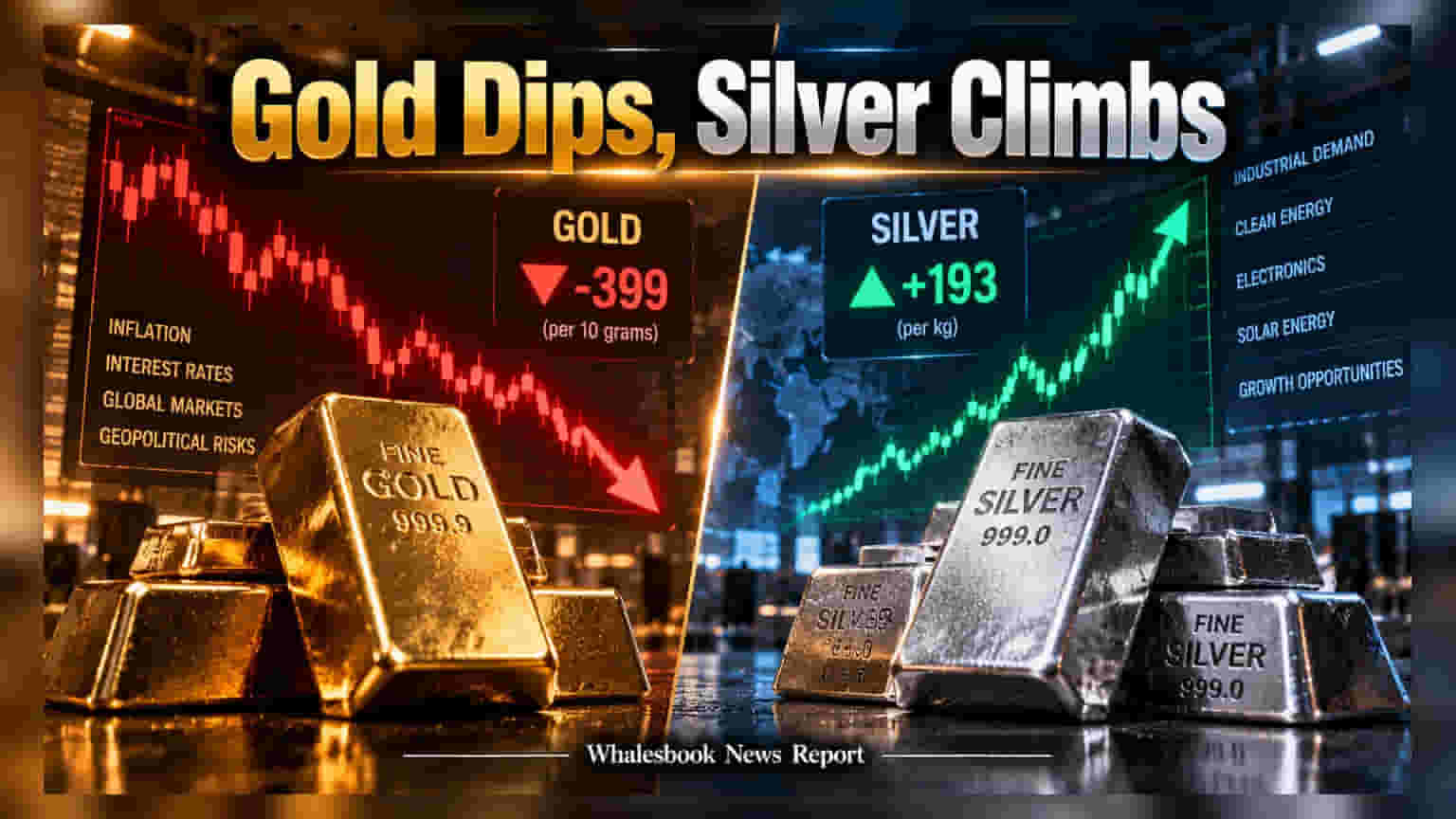
Gold futures on the MCX fell by ₹399 as rising crude oil prices fueled inflation worries. Meanwhile, silver prices bucked the trend and climbed, reflecting different industrial demand factors. Investors are currently watching how persistent inflation may influence future central bank interest rate decisions, which directly impact the appeal of precious metals.
Gold futures on the Multi Commodity Exchange (MCX) saw a decline during the trading session on September 9, 2026, as investors reacted to the latest shifts in global commodity prices. The October gold contract opened lower, slipping by approximately ₹399 per 10 grams, as concerns over persistent inflation returned to the forefront of market sentiment.
This downward pressure on gold is largely tied to a surge in global crude oil prices. Higher energy costs often act as a precursor to broader inflation, which complicates the outlook for central banks worldwide. When inflation remains sticky, there is growing expectation that monetary authorities, particularly the US Federal Reserve, may keep interest rates elevated for a longer period. This creates a challenging environment for gold, a non-yielding asset, because investors often prefer interest-bearing instruments like bonds when rates are high.
In contrast, silver prices displayed resilience on the same day. The benchmark December silver contract tracked upward, gaining about ₹193 per kg at the opening bell. This divergence between gold and silver is often explained by the difference in how they are used. While gold is primarily seen as a store of value and a hedge against currency devaluation, silver has significant industrial utility in sectors such as electronics and solar energy. This dual nature allows silver to potentially attract different types of buyers even when gold faces macroeconomic headwinds.
For investors, the current market environment highlights the sensitivity of precious metals to energy prices and central bank policy. The rise in crude oil, which has been partly attributed to geopolitical tensions in the Middle East, serves as a risk factor for inflation. If energy prices remain volatile, it could keep broader inflation figures higher than expected, further influencing the interest rate path set by regulators.
Moving forward, market participants are expected to closely monitor upcoming US inflation data, including Consumer Price Index (CPI) and Producer Price Index (PPI) reports. These releases are critical as they provide a clearer picture of whether inflation is truly moderating or if the 'higher-for-longer' interest rate narrative will persist. Additionally, any significant updates on geopolitical stability will continue to impact energy costs, which in turn acts as a key monitorable for price trends in both gold and silver.