

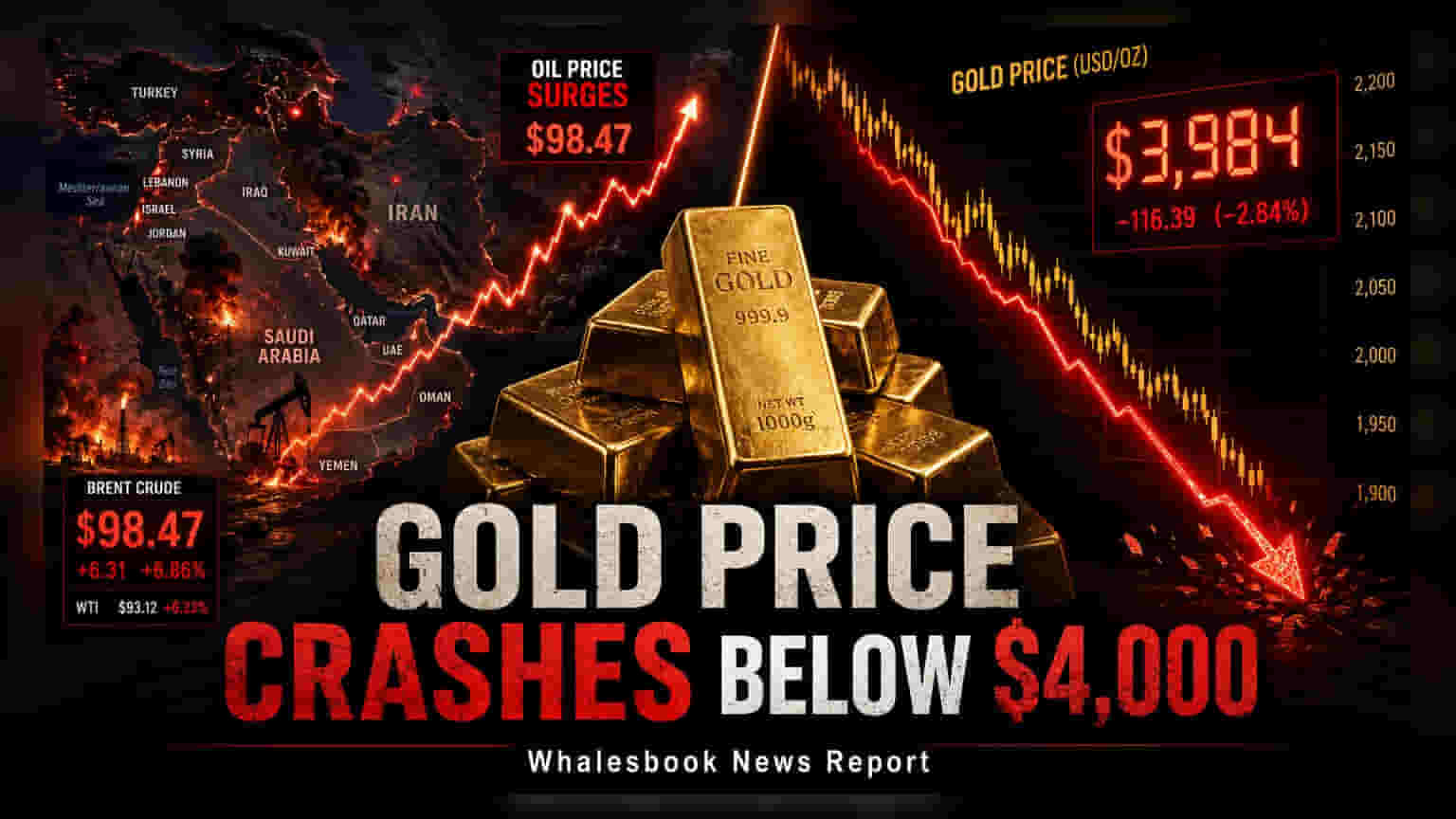
Gold prices fell nearly 2% to trade at $3,984 per ounce amid fresh inflation worries. The decline follows a spike in crude oil prices driven by geopolitical tensions in the Middle East. Higher energy costs have led investors to expect tighter monetary policies, which typically reduce the appeal of non-interest-bearing assets like gold.
Gold prices faced a sharp correction on Friday, slipping below the psychological $4,000 per ounce mark to trade near $3,984. This move marks a notable shift in sentiment for the precious metal, which has often acted as a safe haven during times of uncertainty. The current downturn reflects a pivot in investor priorities as markets grapple with the potential for long-term inflation.
Impact of Energy Costs on Monetary Policy
The primary driver behind the decline is the recent climb in crude oil prices, which have reached one-month highs. Because energy costs are a major component of consumer and producer price indexes, rising oil prices often signal that inflation may stay elevated for longer than previously expected. For investors, this creates a clear trade-off. When central banks maintain or increase interest rates to combat inflation, assets that do not provide a regular yield, such as gold, often become less attractive compared to bonds or fixed-income investments that offer higher interest returns.
Geopolitical Tensions and Market Risk
The price movement is also tied to escalating geopolitical instability in the Middle East. Recent reports concerning potential disruptions to oil transit routes in the Red Sea have heightened supply concerns, directly influencing the energy markets. While such conflicts often trigger a rush toward safe-haven assets, the market is currently more focused on the indirect economic consequences, specifically the risk that higher energy prices will force central banks to adopt a more aggressive or 'hawkish' monetary stance.
Understanding the Gold-Inflation Relationship
Historically, while gold is often viewed as a hedge against inflation, its short-term performance can be volatile when interest rate expectations shift rapidly. When the market prices in higher interest rates for a longer duration, the opportunity cost of holding gold increases. This leads to a decline in demand from institutional investors who may reallocate capital into interest-bearing instruments. For Indian investors, who often track international gold prices as a benchmark for local commodity and jewelry markets, this volatility in global benchmarks usually translates into fluctuating domestic gold prices. The next major monitorables for the market will include incoming data on global inflation trends and any further updates regarding regional stability in the Middle East, both of which will determine whether gold can regain the $4,000 level or if it faces further downward pressure.