

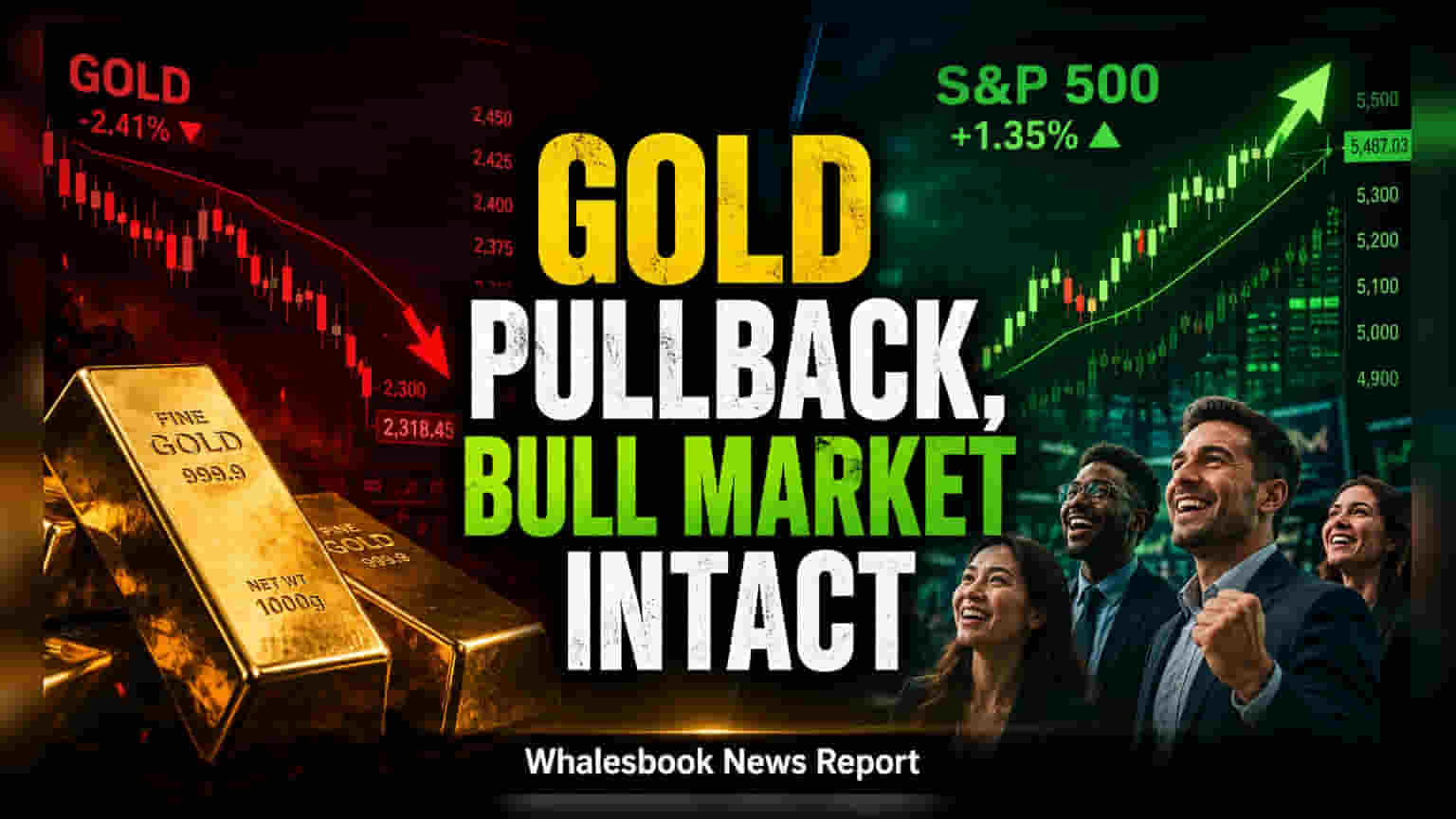
Gold prices have seen a recent correction in 2026 as investors shift capital toward equities. While higher interest rates and a firm U.S. dollar are pressuring the metal, technical trends suggest the long-term upward path remains. Investors should monitor how U.S. economic data influences future Federal Reserve policy decisions.
Gold has moved lower in recent trading sessions, cooling off from the significant highs seen over the past year. This price adjustment, observed in July 2026, highlights how the precious metal is reacting to changing economic expectations. As a non-yielding asset, gold often struggles when alternative investments like bonds or stocks become more attractive.
Market Shift Toward Equities
The recent weakness in gold is driven partly by a shift in investor behavior. After a period of strong performance, many traders have chosen to lock in profits. This capital is increasingly moving toward equities, reflecting a market that is currently more comfortable taking risks. This behavior suggests that investors are less worried about an immediate economic crisis, which typically serves as the primary reason for holding gold as a safe-haven asset.
Impact of Interest Rates and Currency
The U.S. dollar's strength remains a critical factor impacting gold prices. When the dollar rises, gold becomes more expensive for investors using other currencies, which can dampen demand. Furthermore, the Federal Reserve’s current stance on interest rates is playing a major role. With expectations that rates will remain elevated for longer than some previously hoped, the appeal of gold has diminished compared to interest-bearing assets like government bonds.
Long-Term Technical Context
Despite the immediate pressure, technical market indicators still suggest the long-term trend for gold remains upward. The current pullback is viewed by many analysts as a consolidation phase rather than a complete reversal of the previous bull market. Since gold does not pay interest or dividends, its price is highly sensitive to the real interest rate environment. Investors are closely tracking upcoming U.S. economic reports, such as inflation figures and employment data, as these will likely determine the next move for the Federal Reserve. If the outlook for rate cuts shifts, it could alter the current pressure on gold prices. For now, the metal's performance will remain tied to how global markets balance the desire for growth against persistent high-interest-rate policies.