

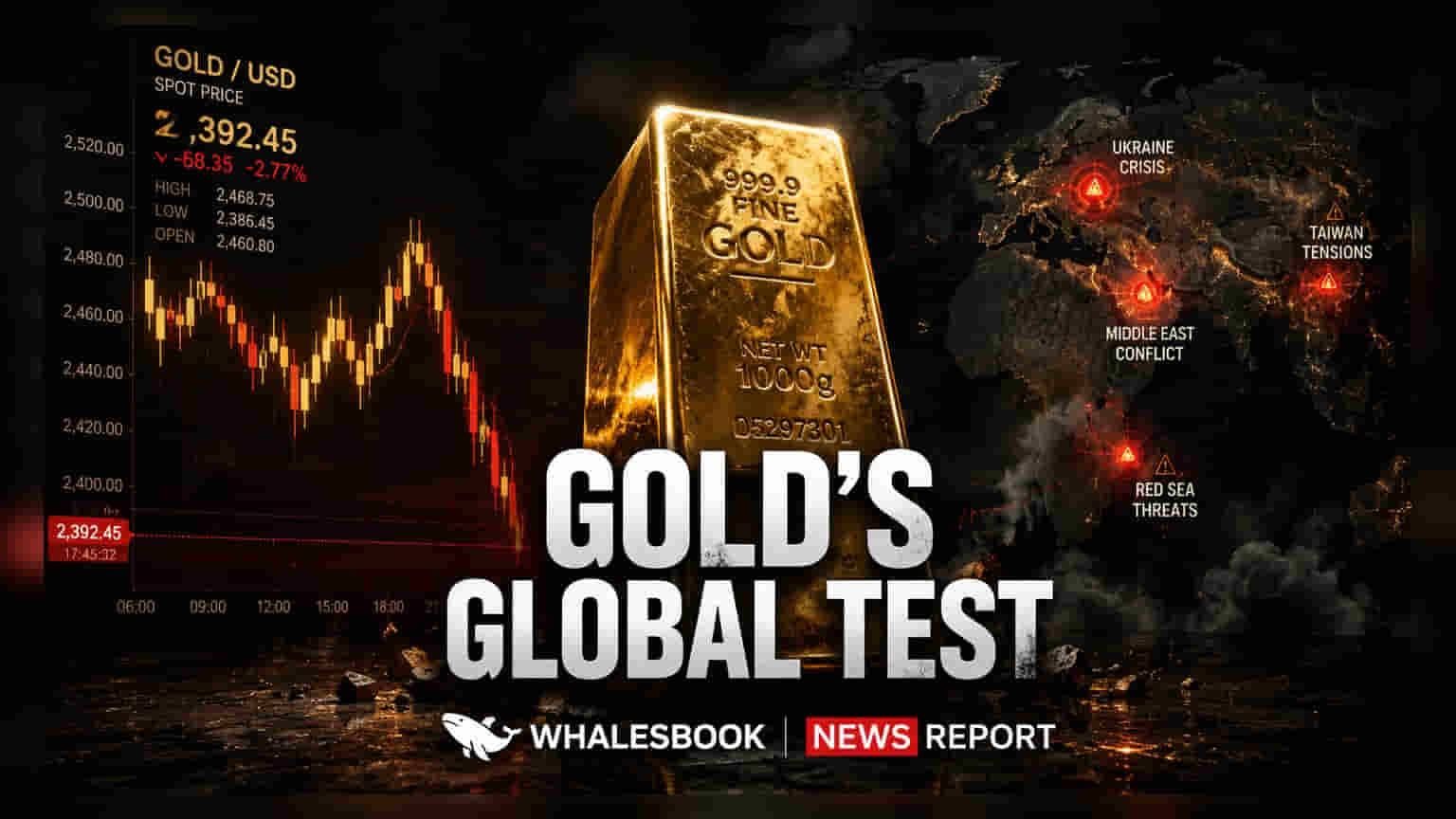
Gold prices fell 7% in the first half of 2026 after hitting record highs in January. As the precious metal enters the second half of the year, investors are focusing on geopolitical tensions and potential interest rate hikes by major central banks. Here is what to know about the current trends and what Indian investors should watch.
What Happened
Gold has seen a very shaky start to 2026. After climbing to a record high of US$5,405 per ounce in January, the price of the precious metal dropped significantly, touching a low of US$4,002 per ounce by June. This volatility resulted in a 7% decline in gold prices year-to-date. According to data from the World Gold Council, the metal experienced an average volatility of 30% during this period. While prices have cooled from their peak, gold remains a major asset class that investors are watching closely due to its role as a safeguard during uncertain times.
Global Factors Influencing Price
The price movement in the first half of 2026 was largely driven by two main factors: geopolitical risks and interest rate expectations. Specifically, tensions related to the US-Iran conflict created instability, prompting investors to seek safety in gold. However, as expectations for U.S. interest rates and the value of the U.S. dollar shifted, gold prices faced pressure. The growing influence of Asian investors in global trading hours has also become a noticeable factor in how gold prices are discovered.
Why Indian Investors Should Pay Attention
While global gold prices are quoted in U.S. dollars per ounce, Indian investors must look at the domestic price, which functions differently. Gold prices in India are influenced by three key factors: the international price of gold, the USD-INR exchange rate, and local import duties. Even if international prices remain flat, a change in the exchange rate can cause domestic gold prices to move. Therefore, when tracking global gold trends, Indian investors should consider how the Indian Rupee is performing against the dollar, as this impacts the final cost of gold in the domestic market.
The Outlook For The Rest Of 2026
Looking ahead to the second half of 2026, the gold market is bracing for further developments in monetary policy. Current projections suggest that the U.S. Federal Reserve may implement at least one interest rate hike by October. Other major central banks, including the Bank of England, the Bank of Japan, and the European Central Bank, are expected to follow with their own tightening measures. If U.S. inflation peaks as expected near 3.9% in the second quarter, analysts project gold could trade within a range of approximately US$4,100 per ounce through the end of the year.
What Investors Should Track Next
The direction of gold prices for the remainder of the year will depend on how economic conditions evolve. A significant rise in prices above US$4,500 per ounce would likely require signs of a global economic slowdown. Conversely, if interest rates rise faster than expected or if investor confidence in risky assets remains high, gold prices could face further pressure. Historically, when gold prices drop more than 10% from current levels, it has tended to trigger buying interest from long-term investors across the globe. The key monitorables for investors include central bank policy announcements, global inflation data, and any changes in geopolitical conditions.