

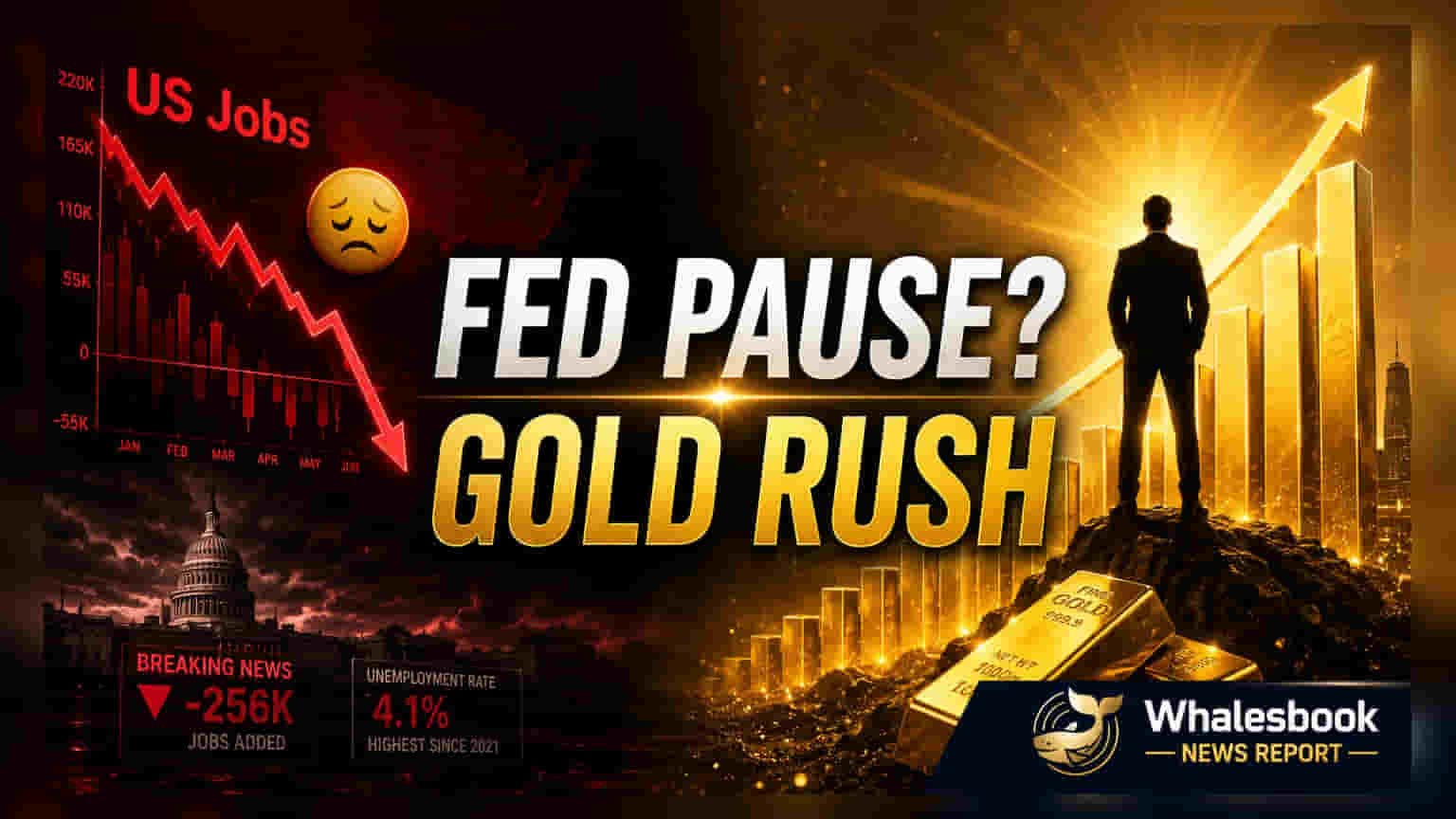
US June employment data showed only 57,000 jobs added, well below the expected 115,000. This slowdown has reduced expectations for Federal Reserve interest rate hikes, providing a boost to gold and equity markets. Investors are now shifting their focus to the upcoming FOMC minutes and inflation reports.
What Happened
The US economy added 57,000 jobs in June 2026, a figure significantly lower than the market expectation of 115,000. This disappointing employment data immediately shifted investor sentiment regarding the Federal Reserve's monetary policy. The market probability for an interest rate hike in July dropped to approximately 18%, down from 30% earlier in the week. As a result, the US dollar weakened to a two-week low against major currencies, providing a platform for gold and equity prices to recover.
Impact on Precious Metals
Gold prices gained momentum, finishing the week near $4,174 per ounce. This marks the first weekly rise for the metal in almost a month. Silver followed this trend with a rally of more than 6%, reaching close to $63 per ounce. The move in metals is largely tied to lower short-term Treasury yields and a weaker dollar. Additionally, central bank buying remains a supportive factor, with the World Gold Council reporting back-to-back months of reserve additions by various national banks.
Market Reaction in Equities and Oil
Equity markets responded positively to the jobs report, with major US benchmarks recording weekly gains of about 2%. The Dow Jones Industrial Average reached a new record high during the period. Meanwhile, crude oil prices stabilized. Recent volatility in oil had been driven by concerns over tanker traffic through the Strait of Hormuz, but current reports indicate that shipping lanes have seen a recovery in volume, supported by the presence of American naval assets.
The Inflation Link
For investors, the jobs report is only one piece of the economic puzzle. The primary reason the market is reacting to the jobs data is its potential influence on future interest rate decisions. When economic growth cools, the pressure on the central bank to raise rates to fight inflation often decreases. A lower interest rate environment typically makes non-yielding assets like gold more attractive to investors compared to bonds.
What Investors Should Track
Market attention is now turning toward the Federal Open Market Committee (FOMC) minutes, which are scheduled for release on July 8, 2026. These minutes may provide more clarity on how internal policy discussions are evolving. Additionally, the June Consumer Price Index (CPI) data, expected the following week, will serve as a critical benchmark. Investors are maintaining a cautious approach, as these inflation figures will be the next major indicator used to confirm whether the Federal Reserve will pause or continue its current interest rate path.