 Whalesbook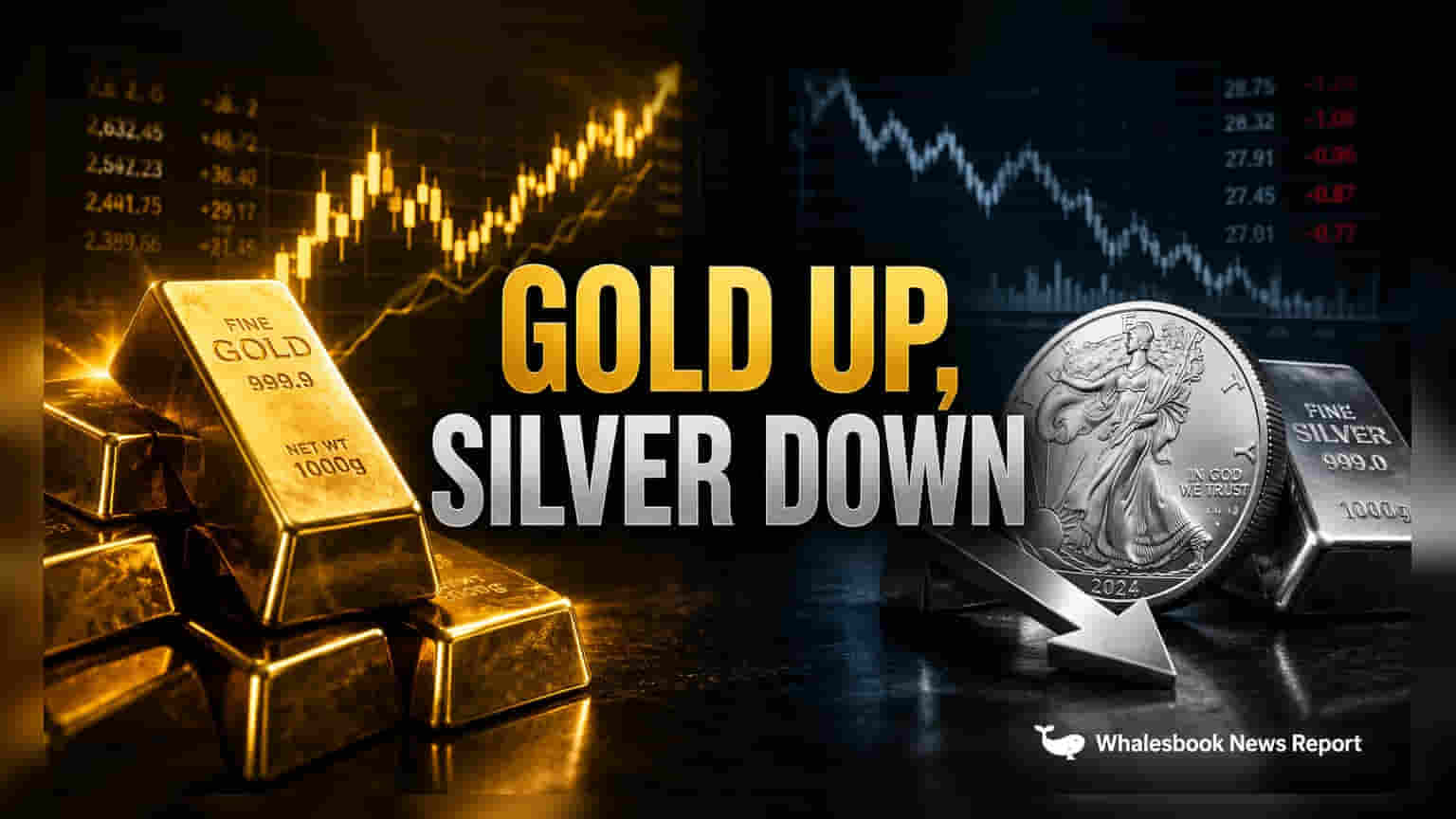


The Geopolitical Bid
The rally in gold futures to $4,570 marks a distinct move toward defensive positioning as regional instability in West Asia intensifies. While equity markets have maintained a degree of resilience, largely buoyed by the sustained momentum in the artificial intelligence and semiconductor sectors, the divergence in precious metals suggests institutional capital is quietly hedging against tail-end risks. The current price action confirms that geopolitical threat premiums are temporarily outweighing the immediate pressure of high-interest-rate environments that typically weigh on non-yielding assets like bullion.
The Industrial Divergence
Silver’s failure to track gold’s upward trajectory highlights a disconnect between safe-haven flows and industrial demand. Historically, silver carries a higher beta to broader economic health due to its extensive use in photovoltaic cells and electronics manufacturing. The 0.43% decline to $75.585 suggests that participants are pricing in potential supply chain constraints or reduced manufacturing output linked to the same energy costs currently inflating gold’s value. This decoupling suggests that market participants view the current move as a tactical flight to liquidity rather than a broad-based commodity bull run.
Structural Risks and Fed Constraints
Persistent inflation remains the primary headwind for precious metals. Should the forthcoming U.S. payroll data indicate a robust labor market, the Federal Reserve will likely retain its restrictive stance, potentially strengthening the dollar and creating a ceiling for gold. Investors are currently operating under a narrow margin of error, where any signal of economic cooling will force an immediate repricing of yield expectations. The correlation between rising Brent crude and gold is also a double-edged sword, as elevated energy prices remain the most significant contributor to sticky inflation, potentially forcing central banks to maintain elevated rates for longer than the current market consensus predicts.
The Bear Case for Commodities
From a risk-averse perspective, the current valuation of gold near historic highs creates a vulnerability to sudden de-escalation in West Asian diplomatic channels. If negotiations between the United States and Iran yield a tangible framework for stabilization, the geopolitical risk premium will evaporate rapidly, leaving long-holders exposed to a sharp reversal. Furthermore, the reliance on safe-haven status leaves the metal sensitive to liquidity shocks. Unlike equities, which can pivot on earnings performance, precious metals currently lack an independent fundamental catalyst beyond fear and inflation, making them susceptible to sudden volatility if the broader market perceives a reduction in systemic risk.